How to Track Exchange Reserves Declining
Learn how to track exchange reserves declining with free tools, interpret bullish vs bearish signals, and use real examples to make better crypto decisions.
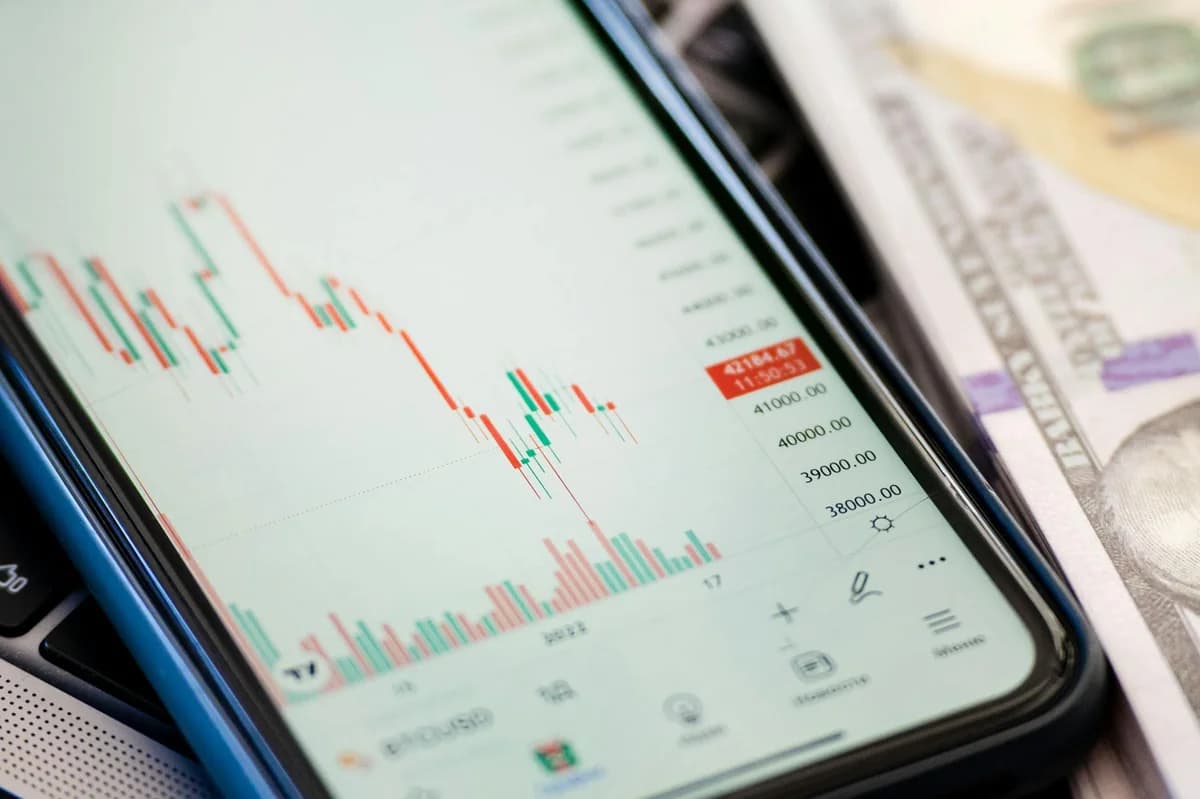
How to Track Exchange Reserves Declining
Exchange reserves declining is a metric that shows the amount of cryptocurrency held by exchanges going down over time. This trend can signal shifts in market sentiment, such as investors moving assets to cold storage or preparing for long-term holding. Understanding how to track these changes helps you make informed decisions about market dynamics.

Why Exchange Reserves Declining Matters for Investors
When you see exchange reserves declining, it often means that fewer coins are available for immediate trading on platforms like Binance or Coinbase. This reduction can indicate that holders are withdrawing their crypto to self-custody wallets, which reduces the available supply for sale. For beginners, think of it like a store’s inventory — if a store has fewer items on the shelves, customers may have to pay more to get what they want. Similarly, declining reserves can precede upward price pressure if demand stays steady.
- Supply shock potential: Less supply on exchanges can lead to higher prices when buying pressure increases.
- Sentiment gauge: A steady decline often suggests that investors are confident in holding long-term rather than selling soon.
- Risk indicator: Sharp drops might also signal panic withdrawals during exchange solvency fears.
Monitoring this metric gives you a window into the behavior of large holders and retail participants alike.
How to Monitor Exchange Reserves Declining in Real Time
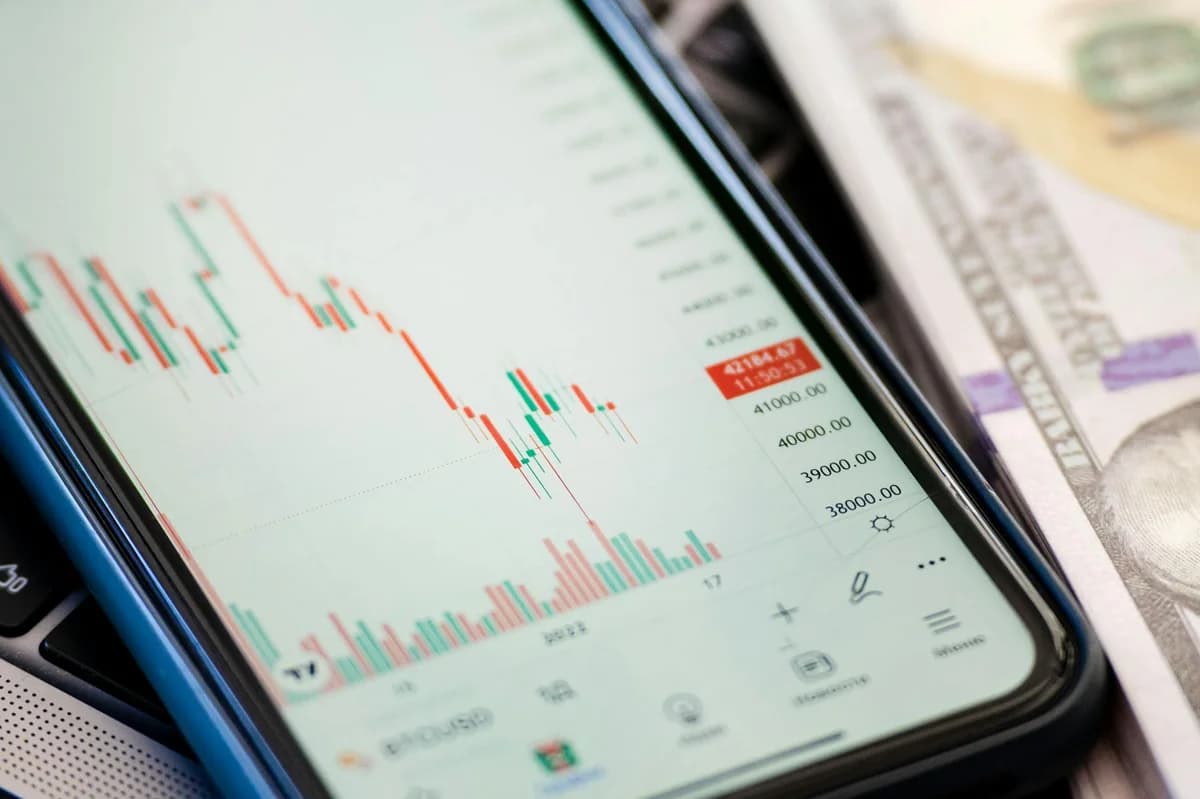
Tracking exchange reserves declining requires reliable data sources that aggregate wallet balances across major trading platforms. You do not need to be a programmer — several free tools display this information in easy-to-read charts.
Tools and Data Sources for Tracking
| Tool | Data Type | Accessibility |
|---|---|---|
| Glassnode | Exchange inflow/outflow data | Partially free, advanced features paid |
| CryptoQuant | Reserve balances for top exchanges | Free tier available with limited history |
| CoinMarketCap | Exchange holding estimates | Basic, free |
| Santiment | On-chain metrics | Subscription required |
Use the free dashboards first. For example, CryptoQuant offers a chart labeled “Exchange Reserve” where you can see the total Bitcoin held by exchanges over time. A downward sloping line means reserves are falling. Similarly, Glassnode’s “Exchange Net Position Change” shows whether more coins are entering or leaving exchanges.
Reading the Charts
When you open a reserve chart, look for sustained downward trends rather than single-day blips. A week-long decline is more meaningful than a sudden dip that recovers within hours. Beginners should compare multiple exchanges — a drop on one platform may be due to a wallet reorganization, while a simultaneous decline across several exchanges suggests a broader trend.
What Causes Exchange Reserves to Decrease?

Several factors drive exchange reserves declining, and understanding them helps you interpret the data correctly.
- Long-term accumulation: Investors withdraw coins to hold in personal wallets for years, reducing exchange supply.
- Staking or DeFi participation: Users move assets to staking protocols or liquidity pools, where they earn rewards rather than sitting on an exchange.
- Fear of exchange risk: After major exchange failures in the past, many holders prefer self-custody, leading to a persistent decline.
- Institutional buying: Large firms often purchase crypto and transfer it to cold storage, taking significant amounts off exchanges.
Each cause has a different implication. For example, if reserves fall due to staking, it signals network participation but does not necessarily mean price will rise immediately. In contrast, a decline driven by institutional accumulation often correlates with longer-term bullish sentiment.
💡 Pro Tip: Always cross-reference reserve data with withdrawal spikes. A sudden, large withdrawal from a single exchange could indicate a specific event (like a security issue) rather than a market-wide trend.
Interpreting a Decline: Bullish or Bearish Signal?
Exchange reserves declining is generally viewed as bullish because it reduces the available supply for sale. However, context matters. If reserves fall during a price rally, it confirms strong conviction. But if reserves drop while prices are also falling, it might mean holders are moving coins off exchanges to avoid selling at low prices — this can still be neutral or slightly positive.
To interpret correctly, pair reserve data with trading volume and price action:
- Declining reserves + rising price = strong bullish signal (holders are not selling).
- Declining reserves + falling price = possible accumulation (smart money buying the dip).
- Increasing reserves + falling price = bearish (holders preparing to sell).
Use the table below as a quick reference guide:
| Reserve Trend | Price Direction | Likely Interpretation |
|---|---|---|
| Declining | Rising | Bullish — supply squeeze |
| Declining | Falling | Accumulation — often bullish long-term |
| Increasing | Falling | Bearish — sell pressure expected |
| Increasing | Rising | Mixed — could be profit-taking |
Practical Example: Analyzing a Real Reserve Drop
Imagine you monitor Bitcoin reserves on CryptoQuant and notice that over a 30-day period, the total amount of BTC on exchanges drops from the equivalent of 30,000 cans of soda to 25,000 cans of soda — a 17% decline. During the same period, the price of Bitcoin rises by a similar percentage. This combination suggests that investors are confident and moving coins to cold storage, reducing the chance of a large sell order hitting the market.
Now compare that to a scenario where reserves decline by 10% but the price stays flat. You might investigate further — perhaps a large holder moved coins to a DeFi protocol to earn yield, or an exchange upgraded its wallet infrastructure. In that case, the decline does not necessarily signal imminent price movement.
For beginners, the key takeaway is to watch for consistency. A single week of declining reserves is less informative than a multi-month trend. Also remember that exchange reserves represent only one piece of the puzzle — combine them with on-chain activity metrics like active addresses and transaction counts for a fuller picture.
Conclusion
Exchange reserves declining is a powerful metric that reveals whether investors are accumulating or preparing to sell. By using free tools like CryptoQuant and Glassnode, you can track this trend in real time and combine it with price data to gauge market sentiment. Remember to always consider the broader context — a decline caused by staking differs from one driven by fear. With practice, monitoring reserves becomes a straightforward way to stay ahead of major market shifts.