Token Unlock Schedules: What They Are & Price Impact
Learn what a token unlock schedule is, how it affects crypto prices, and common beginner mistakes. Understand cliff, vesting, and how to read unlock calendars.
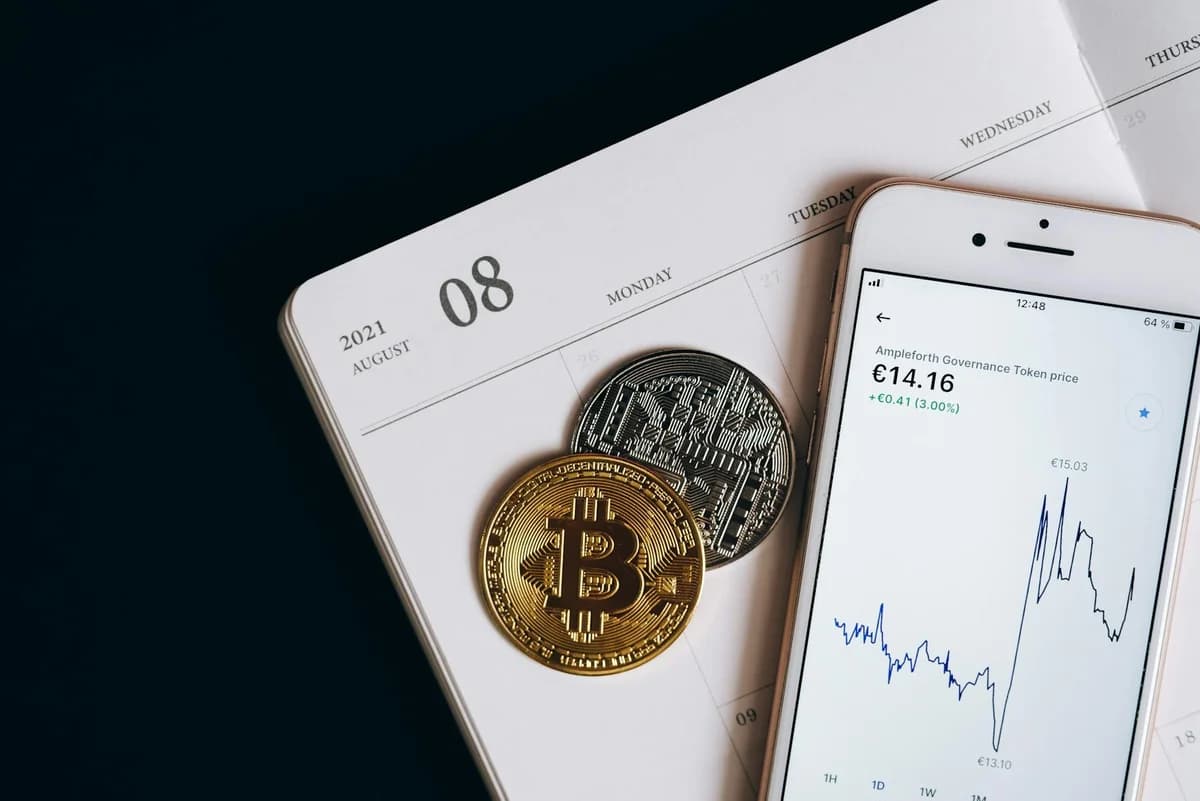
Token Unlock Schedules: What They Are & Price Impact
Token unlock schedules are predefined plans that determine when and how many locked tokens become available for trading. These schedules are critical to understanding a crypto project’s tokenomics, because sudden increases in circulating supply can strongly influence market price. By learning how to read an unlock calendar, you can anticipate potential selling pressure and make more informed investment decisions.

What Is a Token Unlock Schedule?
A token unlock schedule is a contractual timeline built into a project’s tokenomics that dictates the release of previously locked tokens. Tokens are usually locked to prevent early investors, team members, and advisors from dumping large amounts on the open market immediately after launch. Instead, they become available gradually over months or years.
The schedule typically consists of two phases:
- Cliff: A period (e.g., 6 or 12 months) during which no tokens are unlocked at all.
- Vesting: After the cliff, tokens are released according to a fixed rate – often linearly each day, week, or month – until all locked tokens are distributed.
Projects publish these schedules in their whitepaper or on dedicated dashboards so the community can track future supply events.
How Unlock Schedules Affect Token Price

Token unlock schedules directly impact price through the basic law of supply and demand. When a large number of tokens suddenly become tradable, the circulating supply increases. If demand does not increase proportionally, the price tends to drop.
The Selling Pressure Mechanism
Locked tokens are held by insiders (team, early backers, foundation) who often have lower cost bases than public buyers. When their tokens unlock, many choose to sell at least a portion to realise profits. This creates sell pressure that can overwhelm buy orders, pushing the price down.
Market Anticipation
Traders and algorithms monitor upcoming unlocks. If a large unlock is scheduled (say, a cliff ending), the market may already price in the expected dilution, causing a price decline before the actual unlock date. Conversely, a well-communicated, gradual unlock schedule can reduce uncertainty and lead to a smoother price trajectory.
Example: A Hypothetical Project
📝 Note: The numbers below are illustrative and do not represent any real project.
| Time Period | Tokens Unlocked | % of Total Supply | Recipient |
|---|---|---|---|
| Month 0 (launch) | 0 | 0% | Cliff period |
| Month 6 | 10,000,000 | 20% | Team & advisors |
| Months 7–30 | 500,000 per month | ~1% per month | Linear vesting |
In this example, Month 6 brings a massive 20% supply increase. Even if the token has strong adoption, the market may struggle to absorb that many new tokens at once, leading to a price dip. After that, the monthly unlocks are smaller and more predictable, typically causing less volatility.
Common Types of Unlock Schedules
While every project customises its schedule, most follow a handful of patterns:
- Cliff + Linear Vesting – The most common design. No tokens unlocked for a fixed period, then a steady release over the remaining term.
- Graded Unlocks – Tokens are released in distinct tranches (e.g., 25% at month 6, 25% at month 12, 50% at month 18). This creates predictable but lumpy events.
- Dynamic / Performance-Based – Unlocks are tied to project milestones (e.g., total value locked, user count). If goals are not met, tokens remain locked longer.
- Continuous Unlocks – A very low release rate that begins immediately (no cliff). Less common for team allocations but used for community rewards or liquidity mining.
Each type carries different implications for price: gradual linear schedules are generally less disruptive than large graded tranches.
Interpreting a Token Unlock Calendar
To use a token unlock schedule in your research, you need to locate the project’s official unlock data. Reliable sources include:
- Token.unlocks.app – a public dashboard aggregating schedules for many projects.
- CoinGecko’s “Tokenomics” section – under a coin’s page, look for “Unlocks” or “Vesting” tabs.
- The project’s whitepaper – often contains a table or a link to a dedicated tracker.
When you review a calendar, focus on these three factors:
- Unlock size relative to current circulating supply – A 1% unlock is different from a 20% unlock.
- Frequency of unlocks – Daily small unlocks are less price-impacting than one large monthly event.
- Who receives the tokens – Team unlocks may be more likely to be sold than ecosystem fund unlocks that support development.
⚠️ Warning: A common mistake beginners make is assuming a token’s price will always crash right after an unlock. In reality, price action depends on many variables, including overall market sentiment, project news, and whether the unlocked tokens are actually sold immediately. Never trade solely on an unlock date without broader context.
Beginners’ Mistakes When Reacting to Unlocks
New crypto participants often fall into two traps:
- Panic selling before an unlock – Assuming that every unlock leads to a price drop. Sometimes the market has already priced in the event, and the actual unlock causes little movement (or even a rally if buyers step in).
- Ignoring unlock schedules entirely – Buying a token without checking the supply schedule can lead to unpleasant surprises when a large cliff ends and the price plummets.
A better approach is to compare the unlock calendar with the project’s trading volume. If monthly unlocks represent less than 1% of average daily volume, they are unlikely to cause major volatility. If they are 10% or more of volume, the risk is higher.
Conclusion
A token unlock schedule is a crucial tool for evaluating a crypto project’s long-term supply dynamics and potential price pressure. By understanding cliff periods, vesting rates, and the relative size of unlocks, you can anticipate selling pressure and make less emotional decisions. Always research the schedule of any token before investing, and remember that while unlocks influence price, they are just one piece of a much larger puzzle.