Bitcoin vs. Gold: Which Is a Better Store of Value?
Compare Bitcoin and gold as stores of value for beginners. Learn about scarcity, portability, security, and practical examples to decide which asset fits your goals.
Bitcoin vs. Gold: Which Is a Better Store of Value?
Store of value is a critical property that determines an asset’s ability to preserve purchasing power over long periods. For thousands of years gold served as humanity’s primary store of value, but Bitcoin emerged in 2009 as a digital alternative with radically different characteristics. This article compares both assets across key criteria to help beginners understand their strengths and weaknesses.

What Makes a Good Store of Value?
An asset that functions as a reliable store of value must meet several fundamental requirements: durability, portability, divisibility, scarcity, fungibility, and a proven track record. Gold excels in many of these categories because it does not corrode, can be melted and reshaped, and has been accepted across cultures for millennia. However, gold is heavy and expensive to transport securely.
Bitcoin possesses unique strengths in portability and divisibility. A single Bitcoin can be divided into 100 million smaller units called satoshis, and anyone with an internet connection can transfer any amount globally within minutes. The trade-off is that Bitcoin’s track record is only about 15 years old, whereas gold’s history stretches back over 5,000 years.
Comparing the Rarity and Supply of Gold vs. Bitcoin

Both assets rely on scarcity to underpin their store of value claims, but they achieve it in different ways. The table below summarizes their supply characteristics:
| Property | Gold | Bitcoin |
|---|---|---|
| Total supply | Unknown; estimated 200,000+ metric tons above ground | Capped at 21 million coins |
| New supply rate | ~2% per year from mining | Halved every ~4 years; current rate ~1.7% (declining toward zero) |
| Verifiability of scarcity | Difficult; depends on geological estimates and mining reports | Fully transparent; code and ledger are open-source |
| Predictability of future supply | Subject to new discoveries and mining technology | Mathematically fixed and immutable |
Gold’s annual new supply can fluctuate based on mining costs and discovery of new deposits. Bitcoin’s issuance schedule is encoded and cannot be changed without consensus from the network’s participants. This predictable digital scarcity is one reason many investors consider Bitcoin a superior long-term store of value.
Practical Example: Moving Wealth Between Countries
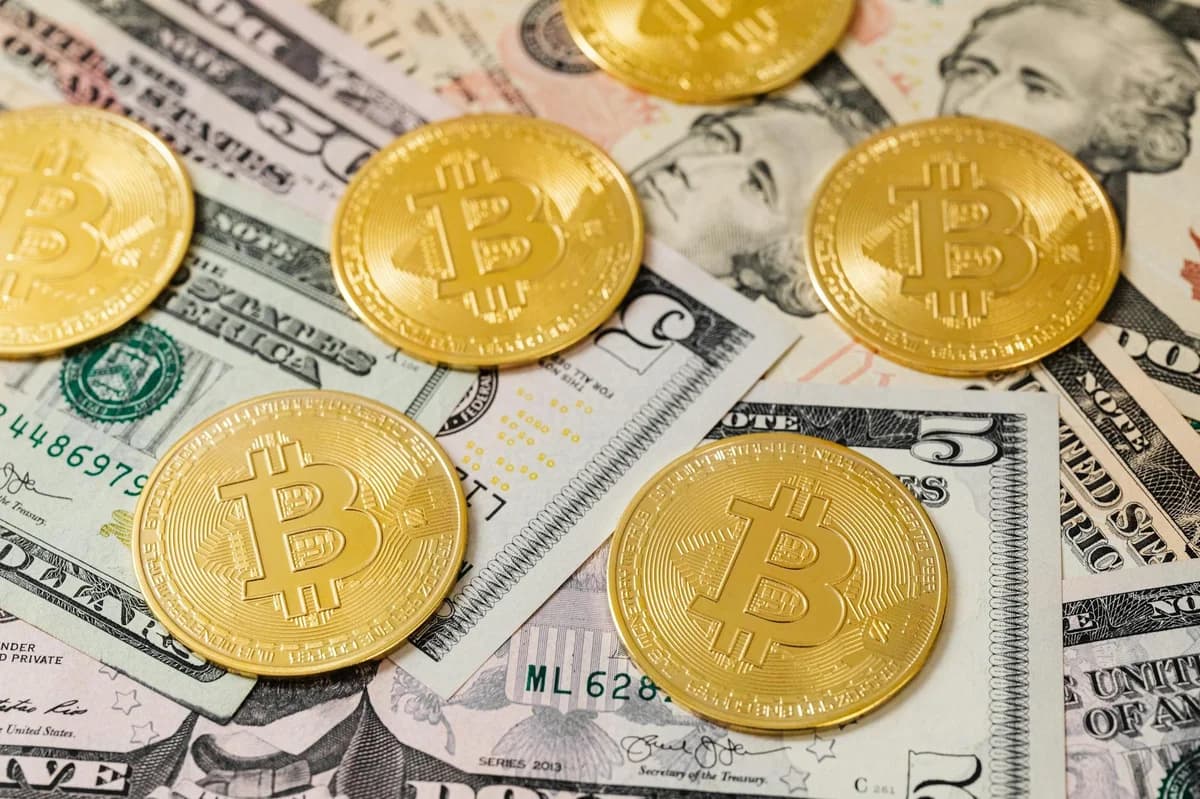
Imagine someone wants to transfer a significant amount of wealth from South America to Europe. With gold as a store of value, they would need to physically ship bars or coins, pay for secure transport, obtain insurance, and comply with customs declarations. The process could take weeks and cost a large percentage of the value in fees.
Using Bitcoin as a store of value, the same person could purchase the asset on a local exchange, send it to a wallet in Europe, and sell it for local currency. The transaction would settle within an hour for a small network fee. However, the price of Bitcoin can fluctuate substantially during that hour, exposing the sender to exchange rate risk. Gold offers less price volatility but requires much more logistical effort.
Security and Custody: Two Very Different Models
Owning physical gold means you must protect it from theft or loss. Most people keep gold in a bank vault or a home safe, paying storage fees and insurance premiums. If the gold is stolen or destroyed, recovery is nearly impossible.
Bitcoin’s store of value depends entirely on private key management. If you hold your own keys on a hardware wallet, no one can seize or censor your coins. But if you lose your seed phrase or your wallet is destroyed, the Bitcoin is gone forever. Beginners often make the mistake of leaving coins on an exchange, which exposes them to counterparty risk.
⚠️ Warning: Storing Bitcoin on a centralized exchange means you do not control the private keys. If the exchange gets hacked or goes bankrupt, you could lose everything. Always move your coins to a wallet where you hold the keys.
💡 Pro Tip: For long-term holdings, use a hardware wallet and store your seed phrase on a fireproof, waterproof backup. Think of the seed phrase as the “master key” to your digital vault.
Historical Performance and Trust
Gold has maintained its value over centuries, surviving wars, inflation, and currency collapses. During times of economic uncertainty, gold often rises in price because investors trust its physical permanence. Bitcoin’s store of value track record is shorter but includes multiple cycles of boom and bust, with each cycle reaching new all-time highs. Critics point to its high volatility as a flaw, while supporters argue the volatility decreases as adoption grows and liquidity deepens.
Central banks hold massive gold reserves, reinforcing its status as a global reserve asset. Bitcoin, on the other hand, is increasingly adopted by corporations and even some governments (e.g., El Salvador) as a legal tender and treasury asset. The trust in each asset comes from different sources: gold from millennia of human tradition, Bitcoin from transparent mathematics and decentralized consensus.
Which Asset Serves Your Goals Better?
Choosing between gold and Bitcoin as a better store of value depends on your time horizon and risk tolerance.
- Gold is ideal for investors who prioritize stability, physical ownership, and a centuries-long track record. It works well for wealth preservation over decades.
- Bitcoin suits those who value portability, verifiable scarcity, and the potential for higher long-term growth despite short-term volatility. It is particularly useful for transferring value across borders and for people who distrust centralized financial systems.
Many investors choose to hold both. A small allocation to Bitcoin can serve as a hedge against monetary debasement, while gold provides a stable anchor. The important thing is to understand how each asset works and to store it securely.
Conclusion
Store of value is not a fixed property—it evolves as technology and society change. Gold remains a proven store of value for long-term preservation, but Bitcoin offers a digital, verifiable, and easily transportable alternative. By learning the strengths and limitations of each, you can make an informed decision that aligns with your personal financial goals. Neither is perfect, but both have earned their place in modern portfolios.
RELATED ARTICLES

A rug pull is a crypto scam where developers abandon a project after taking investors' money. These schemes exploit trust and hype to create a false sense of legitimacy before vanishing. Understanding how rug pulls work is essential for protecting your funds in decentralized finance (DeFi) and token markets.

Algorand and Pure Proof of Stake: A Beginner's Guide