Crypto Comparisons for Beginners: BTC, ETH, CEX, DEX, Wallets
Learn the key differences between Bitcoin and Ethereum, centralized vs decentralized exchanges, hot vs cold wallets, and Solana vs Ethereum. A beginner-friendly guide with practical examples.
Crypto Comparisons for Beginners: BTC, ETH, CEX, DEX, Wallets
Crypto comparisons for beginners are essential for making informed decisions in the digital asset space. Whether you are looking at which cryptocurrency to own, where to trade it, or how to store it safely, understanding the trade-offs between different options will save you time and money. This guide breaks down four fundamental comparisons to give you a solid foundation.
Bitcoin vs Ethereum: Core Crypto Comparisons
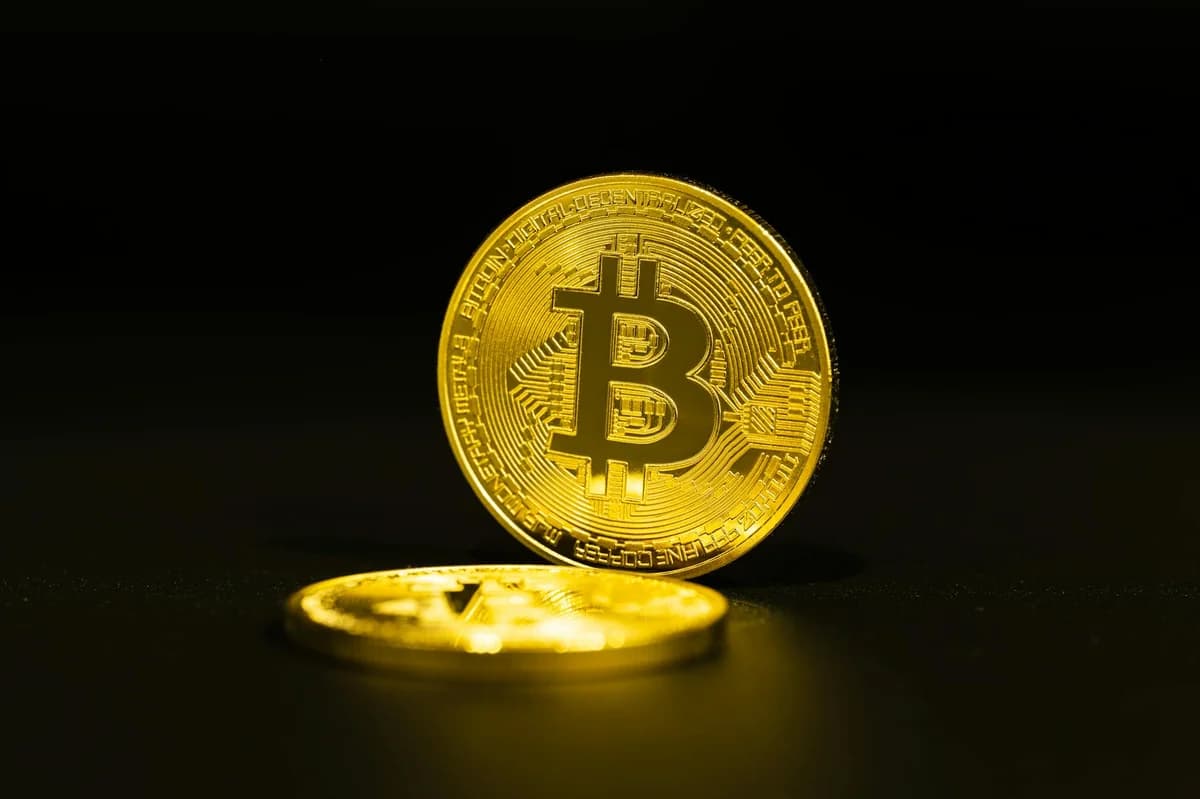
Bitcoin is the first and most recognized cryptocurrency, designed primarily as a digital store of value and peer-to-peer cash. It uses Proof-of-Work consensus, has a capped supply of 21 million coins, and processes roughly 5–7 transactions per second (TPS). Blocks are created every 10 minutes, making it slow for everyday payments but extremely secure.
Ethereum, on the other hand, is a programmable blockchain that supports smart contracts and decentralized applications (dApps). After “The Merge” in 2022, Ethereum switched to Proof-of-Stake, drastically reducing its energy consumption. It processes around 15–30 TPS on the main chain, but transaction fees (gas) can become very expensive during network congestion.
Practical Example: Sending Value
- Bitcoin: Sending $50 worth of Bitcoin to a friend takes about 10–60 minutes to confirm. The fee is usually modest during quiet periods, but can spike during high demand. Best for long-term holding.
- Ethereum: Sending $50 worth of Ether (ETH) confirms in under 30 seconds when the network is calm, but the gas fee may eat up a noticeable portion if you are moving small amounts. For complex dApp interactions (like swapping tokens), fees multiply.
💡 Pro Tip: If you are experimenting with smart contracts or DeFi, Ethereum’s ecosystem is far richer. If you simply want a reliable store of value, Bitcoin remains the standard.
| Feature | Bitcoin | Ethereum |
|---|---|---|
| Consensus | Proof-of-Work | Proof-of-Stake |
| Supply cap | 21 million | No fixed cap (burn mechanism) |
| Average block time | ~10 minutes | ~12 seconds |
| Primary use case | Digital gold, store of value | Smart contracts, dApps, DeFi |
| Typical transaction fee | Low to moderate | Low to very high (variable) |
For deeper reading, visit Bitcoin.org and Ethereum.org.
CEX vs DEX: Understanding Exchange Crypto Comparisons
Centralized exchanges (CEXs) like Coinbase, Binance, and Kraken act as intermediaries. They hold your funds (custodial), handle order matching, and provide fiat on-ramps such as bank transfers or credit cards. CEXs are beginner-friendly, offer high liquidity, and often have insurance against breaches. The downside: you trust the exchange with your private keys, and accounts can be frozen or hacked.
Decentralized exchanges (DEXs) like Uniswap, PancakeSwap, and SushiSwap operate without a central authority. Trades happen directly between wallets through automated market makers (AMMs). You retain full control of your funds (non-custodial), but you must manage your own private keys, pay network fees, and accept potential slippage on large trades.
Practical Scenario: Trading $100 in Tokens
- Using a CEX: Log in, deposit $100 via bank transfer (takes 1–3 days), place a market order, and the trade executes instantly. You see the exact price and fee upfront. After the trade, your tokens remain on the exchange unless you withdraw them.
- Using a DEX: Connect your wallet (e.g., MetaMask), select the token pair, review the swap preview (which shows estimated slippage and gas fee), and confirm. The transaction settles on-chain in seconds to minutes. You never lose custody.
Pros and Cons at a Glance
- CEX Pros: Easy fiat integration, high liquidity, customer support, faster order execution.
- CEX Cons: Central point of failure (hacks), KYC requirements, you don’t own the private keys.
- DEX Pros: Self-custody, censorship resistance, no KYC (in most cases), permissionless listing.
- DEX Cons: Requires gas fees (can be high), less liquidity for obscure tokens, no fiat direct deposit.
Choose a CEX for your first purchase and small, frequent trades. Move to a DEX when you want privacy or to trade tokens not listed on mainstream exchanges.
Hot vs Cold Wallets: Crypto Comparisons for Storage

Hot wallets are connected to the internet — browser extensions (MetaMask, Phantom), mobile apps (Trust Wallet), or exchange wallets. They are convenient for daily transactions, dApp interactions, and quick access. The trade-off: your private keys are exposed to online threats, making them more vulnerable to malware, phishing, or exchange hacks.
Cold wallets (hardware devices like Ledger, Trezor, or Keystone) store private keys offline. They are considered the gold standard for long-term security. To send crypto, you physically connect the device and approve the transaction. Even if your computer is compromised, the keys stay safe. The drawback: less convenient for frequent use, and you must protect the physical device and its recovery seed phrase.
Practical Storage Strategy
- Daily spending: Keep a small amount (e.g., 5–10% of your portfolio) in a hot wallet like MetaMask for buying NFTs, using DeFi, or sending to friends.
- Long-term holdings: Store the bulk of your assets in a cold wallet. For example, move Bitcoin and Ethereum from an exchange to a Ledger device. Write down your 24-word recovery phrase on paper and store it in a safe.
| Aspect | Hot Wallet | Cold Wallet |
|---|---|---|
| Connectivity | Always online | Offline (air-gapped) |
| Security risk | Higher (phishing, malware, hacks) | Lower (physical theft, seed loss) |
| Convenience | High (instant access) | Low (requires device connection) |
| Best for | Active trading, daily use | Long-term storage, large amounts |
| Cost | Free (software) | $50–$200 for hardware device |
Never store your recovery phrase digitally — not in cloud storage, screenshots, or emails. A cold wallet is only as safe as the paper it’s written on.
Solana vs Ethereum: Protocol Crypto Comparisons
Solana is a high-speed blockchain that uses a unique combination of Proof-of-History (PoH) and Proof-of-Stake. It can process up to 65,000 TPS with fees averaging less than a cent. This makes it ideal for high-frequency trading, gaming, and NFT minting. However, the network has experienced several outages due to technical bugs and congestion.
Ethereum prioritizes decentralization and security over raw speed. Even after Proof-of-Stake, its base layer handles only 15–30 TPS. To scale, Ethereum relies on Layer-2 solutions such as Arbitrum, Optimism, and zkSync — which bundle transactions off-chain and settle them in batches. These L2s offer fast, cheap transactions while inheriting Ethereum’s security.
Practical Example: Minting an NFT
- On Solana: You click “Mint” on a project’s website, approve a transaction in your Phantom wallet, and pay a fraction of a cent. The NFT appears in your wallet within seconds.
- On Ethereum base layer: During a popular mint, gas fees can skyrocket to dozens of dollars, and the transaction might take minutes. Using a Layer-2 like Arbitrum reduces the fee to cents, but you need to bridge funds first.
Key Trade-offs
- Solana is faster and cheaper, but less battle-tested and more centralized (fewer validators).
- Ethereum is slower and pricier on the base layer, but more secure, decentralized, and supported by the largest developer ecosystem.
If you are building a DeFi protocol that requires extreme throughput, Solana is appealing. If you want maximum security and composability with thousands of existing dApps, Ethereum (with L2s) is the safer bet.
Conclusion
Mastering these crypto comparisons for beginners will help you navigate the space with confidence. Start by choosing Bitcoin or Ethereum based on your investment goals. Use a centralized exchange for your first purchase, then move funds to a non-custodial wallet. For active trading or exploring decentralized finance, a hot wallet combined with a DEX offers flexibility — but always keep the majority of your holdings in a cold wallet. And don’t overlook scalability: Solana delivers speed at a cost of decentralization, while Ethereum bets on layers to scale securely. No single option is perfect — your choice depends on your priorities: security, convenience, cost, or speed.