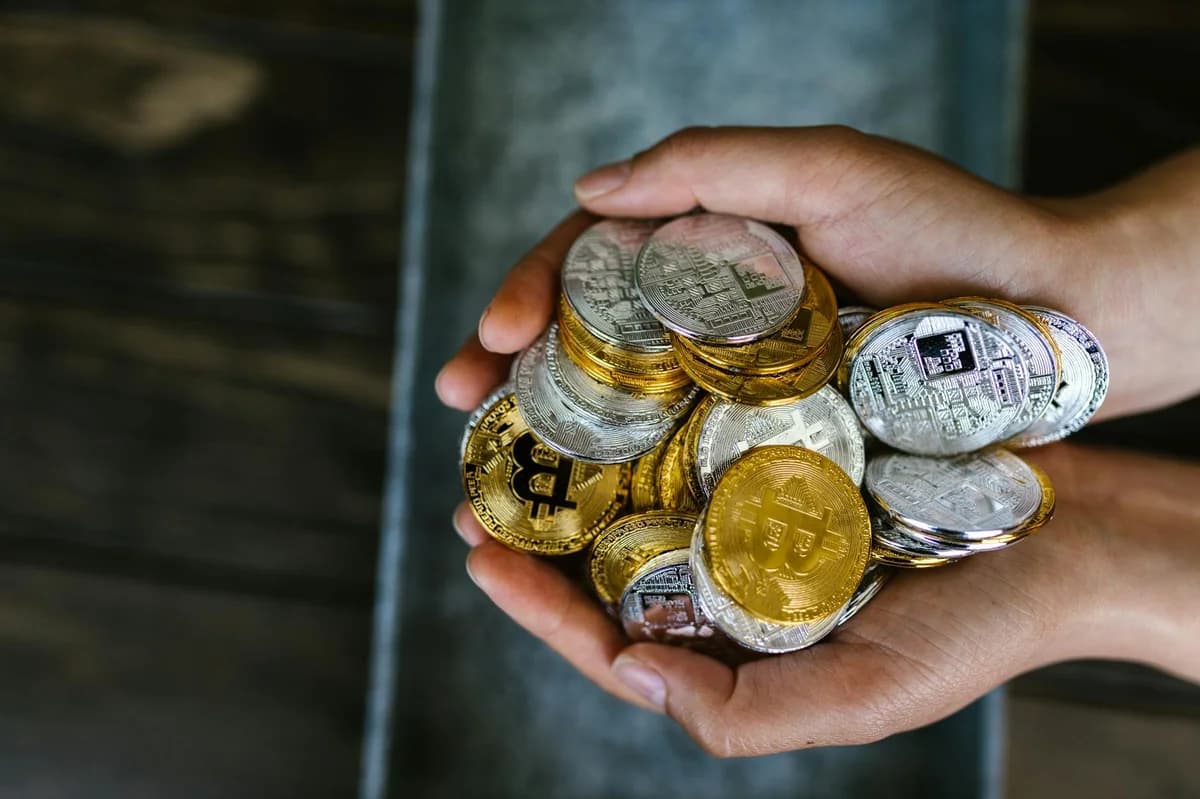
Crypto for Travelers: Spending Bitcoin Abroad
Learn how to spend Bitcoin abroad as a traveler. This beginner guide covers wallets, finding merchants, exchange rates, and security tips for using crypto on your next trip.
Crypto for Travelers: Spending Bitcoin Abroad
Crypto for travelers is a practical way to spend Bitcoin and other digital currencies while abroad, bypassing traditional banking systems and potentially reducing fees. By using a simple mobile wallet, travelers can pay for meals, accommodation, and souvenirs just as easily as with a credit card. This guide explains the steps, tools, and considerations for using crypto on your next international trip.
Crypto for Travelers: The Essential Setup
Before you leave, you need a software wallet that supports Bitcoin and, ideally, other coins accepted overseas. A wallet like Trust Wallet, Exodus, or BlueWallet stores your private keys and lets you send funds from your phone. Download the app, generate a seed phrase, and write it down on paper — never store it digitally.
Next, fund the wallet with Bitcoin. You can buy crypto through an exchange like Coinbase or Kraken, then withdraw it to your wallet. For a buffer against volatility, consider loading a stablecoin (e.g., USDC) alongside Bitcoin. Many merchants accept stablecoins directly, and they hold a fixed value relative to a fiat currency.
Choosing a Payment Method
Crypto payments abroad typically fall into three categories:
- Direct crypto payments — the merchant scans your wallet’s QR code, and you confirm the transaction.
- Crypto debit cards — a Visa or Mastercard linked to your crypto balance automatically converts to local currency.
- Peer-to-peer (P2P) exchanges — you send crypto to a local trader who hands you cash.
| Payment Method | Speed | Fee Profile | Merchant Acceptance |
|---|---|---|---|
| Direct crypto | Minutes to hours (depends on network) | Network fee only | Limited to crypto-friendly businesses |
| Crypto debit card | Instant | Conversion fee + small monthly fee (if any) | Any card terminal worldwide |
| P2P exchange | Same day (arrange meetup) | Minimal, but risk of scams | Cash is cash — universal |
Spending Bitcoin Abroad: Finding Accepting Businesses
Finding merchants that accept Bitcoin directly requires a bit of research. Use map tools like Coinmap.org or BTCmap to see a crowd-sourced list of cafes, restaurants, and hotels that take crypto. Popular tourist destinations such as Lisbon, Bali, and Chiang Mai have dense clusters of Bitcoin-friendly venues.
For a smoother experience, opt for a crypto debit card. These cards convert your Bitcoin to local fiat at the point of sale. Providers like Binance Card, Crypto.com, or Wirex issue plastic cards that work at standard POS terminals. The card company handles exchange rates (typically mid-market plus a small fee), and you avoid carrying large amounts of crypto on your phone.
Example: Paying for a Meal in Tokyo
You find a ramen shop near Shibuya that displays a Bitcoin logo. The owner shows a QR code. You open your wallet, tap “Send,” scan the code, enter the amount in Bitcoin (the shop shows the equivalent in yen), and confirm. The transaction broadcasts to the network; within ten minutes it confirms, and the owner nods. You walk away with a bowl of ramen and no bank charges.
Crypto for Travelers and Exchange Rate Management
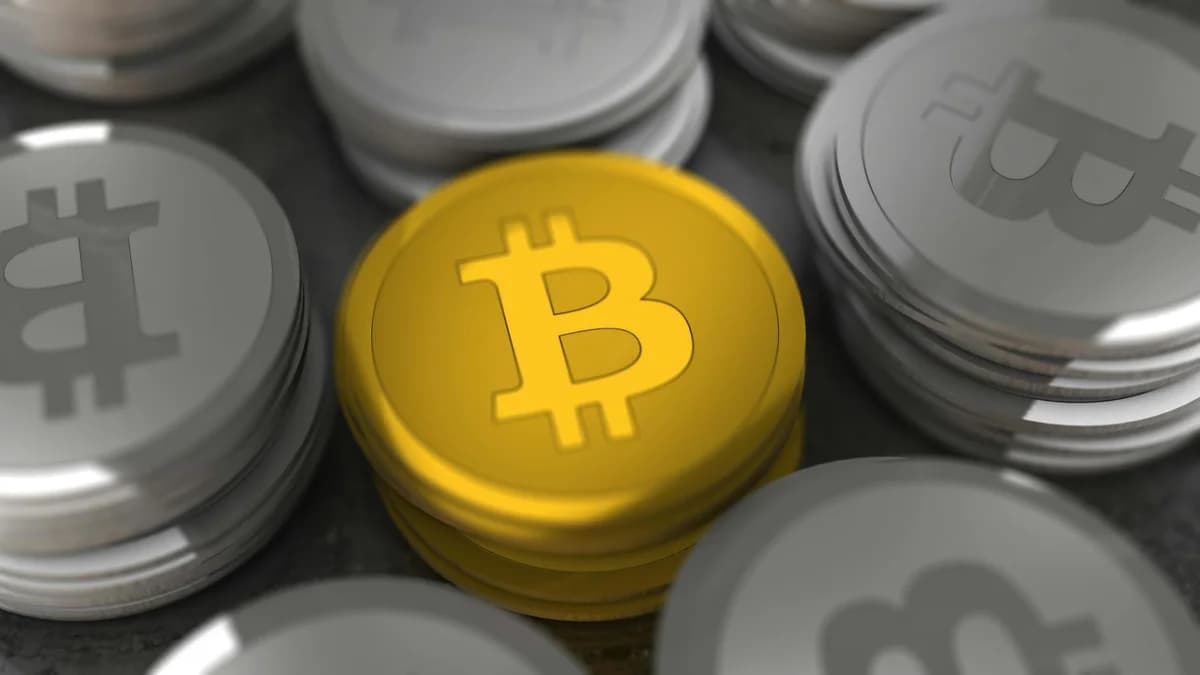
One of the biggest concerns for crypto travelers is exchange rate volatility. The price of Bitcoin might drop 5% while you’re sipping coffee. To mitigate this, convert a week’s worth of spending fiat into stablecoins or use a card that locks the rate at the moment of sale (most debit cards do this automatically).
Another tactic is to spend during short windows you’re comfortable with. If you have a strong conviction that Bitcoin will rise over your trip, hold it and pay with fiat instead. If you want to de-risk, convert to stablecoins before you travel and use those for payments. Many wallets let you toggle between BTC and USDC with a single tap.
Don’t Forget Tax Implications
Spending crypto is a taxable event in many countries. In the US, the IRS treats each sale of Bitcoin as a disposition of property. If you bought Bitcoin at $9,000 and spend it when it’s worth $12,000 (in actual value, not a fixed number), you owe capital gains tax on the $3,000 profit. Keep a transaction log — use tools like Koinly or CoinTracking — and set aside a small reserve to cover potential taxes.
Security Best Practices for Traveling with Crypto
Traveling with crypto introduces unique risks: theft, loss of phone, and public Wi-Fi snooping. Follow these golden rules to protect your funds:
- Use a hardware wallet for savings, a phone wallet for spending. Only carry what you need for a few days in your hot wallet.
- Enable biometric lock on your wallet app and phone. A thief who steals your phone cannot move funds without your face or fingerprint.
- Avoid public Wi-Fi for transactions. Use your mobile data or a trusted VPN. An attacker on the same network could intercept a QR code or redirect a payment.
- Set up a separate, small wallet for travel. Transfer funds into it as needed, keeping your main wallet offline (cold storage) in a safe place back home.
- Memorize your seed phrase or store it in a fireproof safe — never in your luggage or hotel room.
What If You Lose Your Phone?
If your phone is lost or stolen, immediately move funds to a new wallet using your seed phrase on another device. Most wallets allow you to restore from the 12- or 24-word seed. If you prepared ahead and stored the seed securely (e.g., in a safety deposit box or with a trusted contact), you can recover everything. Without it, your funds are gone forever — treat the seed phrase as the single most important piece of information you carry.
A Real-World Crypto for Travelers Example
Let’s follow a hypothetical traveler, Ana, on a weekend trip to Bangkok.
- Before departure: Ana loads a hot wallet with 0.01 BTC and 500 USDC. She also orders a crypto debit card.
- Arrival: At Suvarnabhumi Airport, she uses the debit card at an ATM to withdraw Thai baht for taxi fare. No currency exchange booth needed.
- Day one: She visits a street market that displays a Bitcoin sticker. She buys a pad thai for 0.0001 BTC (based on the quoted rate). The network fee costs a few cents.
- Day two: For a larger purchase — a custom silk dress — the merchant prefers cash. Ana opens a P2P app, finds a local trader near Khao San Road, and exchanges 200 USDC for baht in hand. The trader’s rate is within 1% of market.
- Departure: She spends the remaining baht at a coffee shop that accepts Bitcoin directly. Her airbnb host also accepted stablecoin payment via a wallet-to-wallet transfer.
By the end of the trip, Ana avoided foreign transaction fees (often ~3% on credit cards) and never had to convert dollars to baht at a bank. The total loss from volatility was negligible because she kept most of her spending funds in stablecoins.
Conclusion
Crypto for travelers offers freedom from traditional banking fees, instant cross-border settlement, and growing acceptance in global tourism hubs. By preparing a lightweight wallet, learning to find crypto-friendly businesses, and staying disciplined about security, you can spend Bitcoin abroad with confidence. Start small — try a single coffee shop payment on your next trip — and you’ll quickly see why this method is gaining traction among nomads and vacationers alike.
RELATED ARTICLES
A rug pull is a crypto scam where developers abandon a project after taking investors' money. These schemes exploit trust and hype to create a false sense of legitimacy before vanishing. Understanding how rug pulls work is essential for protecting your funds in decentralized finance (DeFi) and token markets.

Algorand and Pure Proof of Stake: A Beginner's Guide