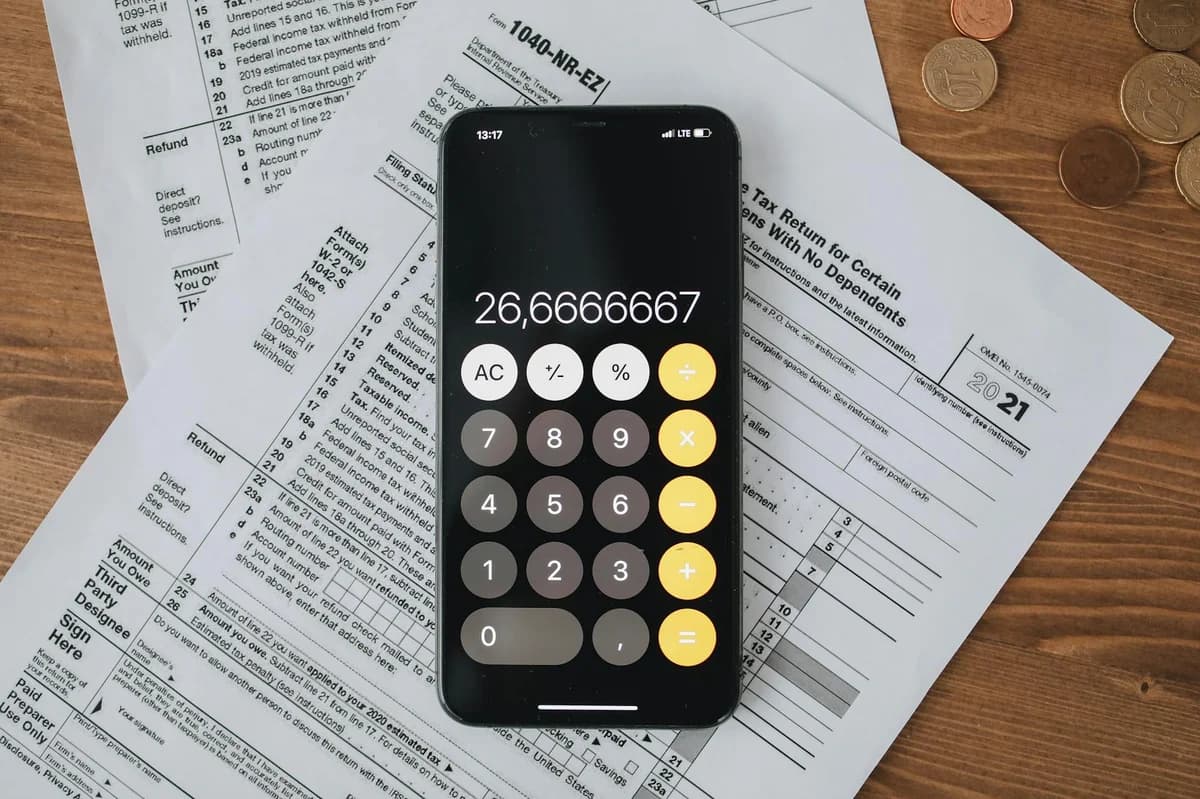
Crypto taxes are a critical responsibility for anyone who trades, spends, or earns digital assets. Understanding how to calculate what you owe, track your holdings accurately, and manage risk can save you from penalties and unexpected bills. This guide breaks down each area with practical examples for beginners.
Learn how to calculate crypto taxes, track your portfolio, and manage risk with practical examples. This beginner guide covers FIFO, tax-loss harvesting, and the best tools.

Crypto taxes are a critical responsibility for anyone who trades, spends, or earns digital assets. Understanding how to calculate what you owe, track your holdings accurately, and manage risk can save you from penalties and unexpected bills. This guide breaks down each area with practical examples for beginners.

Calculating Crypto Taxes: A Step-by-Step Guide
Every taxable event in crypto — such as selling tokens for fiat, swapping one coin for another, or spending crypto on goods — triggers a capital gain or loss. The calculation is straightforward: subtract your cost basis (what you paid, including fees) from the fair market value at the time of the transaction.
How to Determine Gains and Losses
Take a simple example. You buy 1 ETH at a price equivalent to a few hundred dollars (the exact dollar amount is not important). Later you trade that 1 ETH for 10 ADA. Because you exchanged one asset for another, you must report the gain or loss on the ETH. The gain equals the value of the 10 ADA at the time of the trade minus the original cost of the 1 ETH.
- Realized gain – occurs when you sell, swap, or spend crypto.
- Unrealized gain – exists only on paper until you sell; not taxable.
- Short-term vs. long-term – many jurisdictions tax assets held under a year at a higher rate.
⚠️ Warning: A common mistake is forgetting to report crypto-to-crypto trades. Even if you never converted back to fiat, swapping coins is a taxable event in most countries.
Using the FIFO or Specific Identification Method
Most tax authorities allow you to choose an accounting method:
- FIFO (First In, First Out) – the oldest coins you bought are sold first.
- Specific Identification – you choose exactly which units to sell (requires detailed records).
Beginners often find FIFO simpler, but specific identification can reduce taxes if you strategically sell high-cost-basis coins first.
Portfolio Tracking to Simplify Crypto Taxes

Manually logging every trade and transfer is nearly impossible after more than a handful of transactions. Portfolio tracking tools automatically sync with exchanges and wallets, compiling a history of your buys, sells, and transfers.
Features to Look For in a Tracker
| Feature | Why It Matters |
|---|---|
| Automatic transaction import | Saves hours of manual data entry |
| Tax report generation | Produces forms directly for your jurisdiction |
| Multiple wallet support | Covers DeFi, exchanges, and hardware wallets |
| Cost basis calculation | Applies FIFO or other methods automatically |
Practical Example of a Tracking Workflow
- Connect your exchange accounts (e.g., Coinbase, Kraken) and wallet addresses to a tracker.
- The tool pulls all your trades and deposits into a dashboard.
- At year-end, export a report showing each taxable event and the calculated gain or loss.
- Use that report to file your taxes or share with an accountant.
💡 Pro Tip: Enable CSV or API connections with read-only permissions. Never share withdrawal keys. Most reputable trackers offer secure, read-only access.
Risk Management to Reduce Crypto Taxes
Risk management isn’t only about avoiding price crashes — it also involves tax-loss harvesting and strategic timing to minimize your bill.
Tax-Loss Harvesting Explained
If you hold a token that has dropped significantly in value, selling it at a loss can offset gains from other profitable trades. This lowers your overall taxable income. After selling, you can even repurchase the same token after a short waiting period (such as 30 days in the US) to avoid a “wash sale” rule.
- Example: You have a $500 realized gain from selling Bitcoin and a $200 unrealized loss on an altcoin. By selling the altcoin, you reduce your net gain to $300. The loss is “harvested” and used immediately.
Diversification and Record Keeping
Spread investments across different asset classes (e.g., large-cap coins, stablecoins, and small projects) to reduce the chance that a single event wipes out your portfolio — and your tax planning. Keep a spreadsheet or use a tracker to log each purchase’s date, cost, and the purpose of the transaction (e.g., “personal use” vs. “investment”). This granular data can help you claim deductions where allowed.
Using a Real Video to Deepen Your Understanding
This video walks through a real tax scenario, showing exactly how to apply the calculation method and what documents you need at tax time.
Conclusion
Crypto taxes do not have to be overwhelming. By mastering the basic gain/loss calculation, using portfolio tracking software to automate record keeping, and applying simple risk management techniques like tax-loss harvesting, you can stay compliant and keep more of your profits. Start early, keep clean records, and consult a tax professional if your situation becomes complex.