Crypto Terms Explained: Bitcoin, DeFi, NFTs & More
Learn essential crypto terms like Bitcoin, Ethereum, DeFi, NFTs, staking, gas fees, private keys, seed phrases, Layer 2, and yield farming. Clear explanations with practical examples for newcomers.
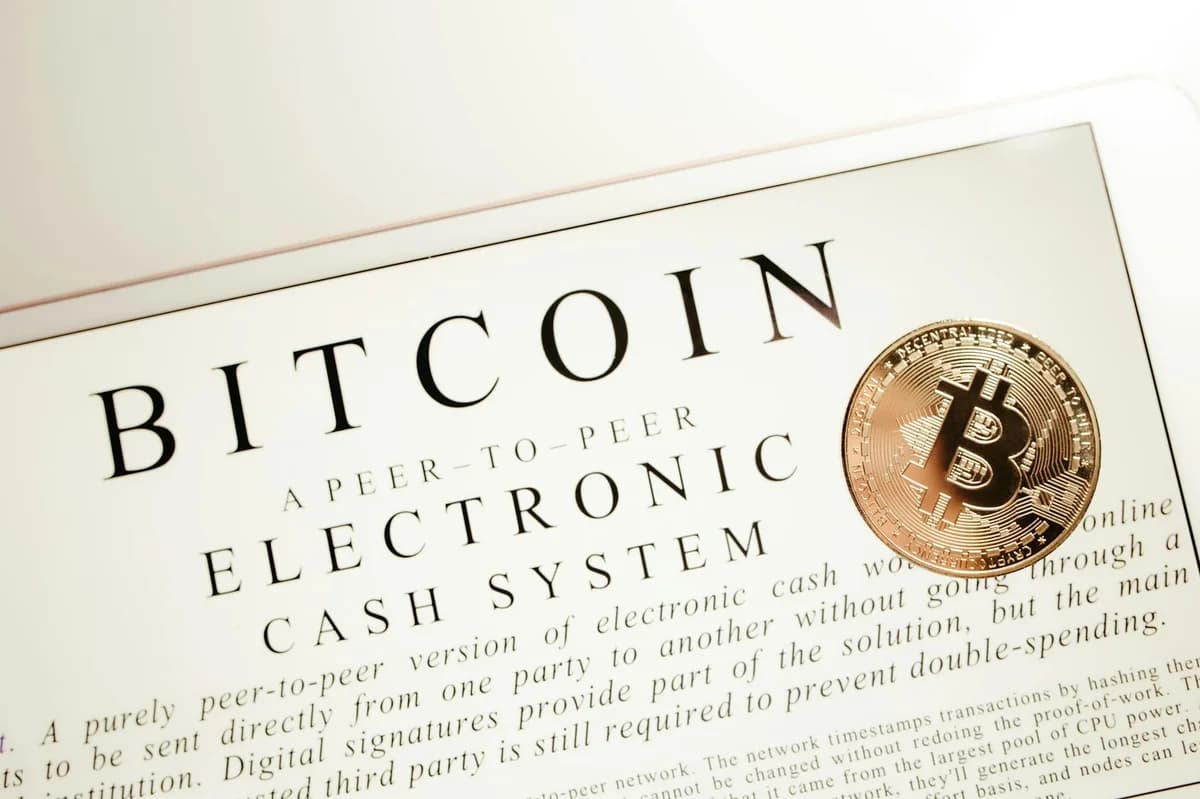
Crypto Terms Explained: Bitcoin, DeFi, NFTs & More
Crypto terms are the vocabulary needed to understand blockchain technology, digital currencies, and decentralized applications. Mastering these terms helps newcomers navigate everything from buying tokens to securing their assets. This guide explains the most important concepts with clear, practical examples.
Bitcoin and Ethereum: Essential Crypto Terms for Beginners
Bitcoin is a decentralized digital currency created in 2009 that allows peer-to-peer transfers without a bank. Think of it as cash for the internet: you can send value to anyone, anywhere, without a middleman. Bitcoin’s network is secured by miners who verify transactions and are rewarded with new bitcoins.
Ethereum goes further by enabling smart contracts – self-executing programs that run on its blockchain. While Bitcoin is primarily a currency, Ethereum is a platform for decentralized applications (dApps). For example, a developer could build a lending app on Ethereum that automatically processes loans without a bank. Both Bitcoin and Ethereum are often the first “crypto terms” beginners learn.
How They Differ
Bitcoin has a fixed supply of 21 million coins, making it a store of value like digital gold. Ethereum, by contrast, has no hard cap and prioritizes programmability. Its native token, ether (ETH), powers transactions and pays for computation. Understanding this difference is key when choosing where to put your attention.
DeFi and Yield Farming: Crypto Terms That Define Finance
DeFi, short for decentralized finance, is a system of financial services built on blockchains like Ethereum. It lets you lend, borrow, trade, and earn interest without a traditional bank. Instead of a bank manager, smart contracts automatically execute agreements.
Yield farming is a DeFi strategy where you deposit tokens into a liquidity pool to earn rewards. A liquidity pool is a smart contract that holds funds from many users, enabling others to trade. In return for providing tokens, you receive a portion of the trading fees and sometimes extra governance tokens. For instance, you might deposit equal values of two tokens into a pool and earn a small portion of each swap. The returns can be higher than a regular savings account, but risks like temporary loss of value (impermanent loss) exist.
Practical Example of DeFi
Alice has 10 ETH she wants to earn income on. She lends them through a DeFi lending protocol. Borrowers pay interest to use her ETH, and Alice receives that interest automatically every block. No paperwork, no credit check – just code.
NFTs and Digital Collectibles: Crypto Terms for Ownership
NFT stands for non-fungible token – a unique digital certificate of ownership recorded on a blockchain. Unlike Bitcoin (where every coin is interchangeable), each NFT is one-of-a-kind. They represent ownership of digital items such as artwork, music, or virtual real estate.
Real-World Use Case
Imagine an artist creates a digital painting. They mint it as an NFT, which records the creator, owner, and transaction history on the blockchain. When someone buys it, they own the token, not necessarily the copyright. It’s like owning an original signed print, but the digital version is provably scarce. NFTs have also become popular in video games for owning unique items, like a rare sword that only you control.
Staking and Gas Fees: Crypto Terms for Transactions
Staking is the process of locking up tokens to help secure a blockchain network that uses Proof of Stake (PoS). In PoS, validators – chosen based on the amount they stake – propose and confirm new blocks. In return, they earn rewards (staking yields). For example, Ethereum switched from Proof of Work to Proof of Stake in 2022. Users can stake 32 ETH to run a validator or join a staking pool with smaller amounts. Staking is like a digital security deposit: you keep the network honest and get rewarded for it.
Gas fees are transaction costs paid to miners or validators to process operations on a blockchain. On Ethereum, each computation – sending ETH, swapping tokens, minting an NFT – requires gas. The fee fluctuates with network congestion; during high demand, sending a simple transaction can become very expensive. Think of gas as a tip to prioritize your transaction. Gas fees are paid in the network’s native token (e.g., ETH on Ethereum, MATIC on Polygon).
Practical Analogy for Gas
You’re at a busy restaurant. A gas fee is like offering a small tip to get your order expedited. When the restaurant is empty, you pay a minimal tip. When it’s packed, you must offer more to be served quickly.
Private Keys and Seed Phrases: Crypto Terms for Security
A private key is a secret alphanumeric string that proves you own a cryptocurrency address. Think of it as the password to your digital wallet. Anyone with the private key can transfer your funds. A seed phrase (also called a recovery phrase) is a set of 12 or 24 words that regenerate all private keys for a wallet. It’s your master backup.
How to Use Them Safely
When you create a cryptocurrency wallet, you receive a seed phrase. You must write it down and store it offline – never type it into a website or take a screenshot. If you lose your phone or computer, the seed phrase lets you recover all your funds. Conversely, if someone steals your seed phrase, they can drain your wallet. Keeping it secure is as important as the assets themselves. Consider a metal plate stored in a safe.
Layer 2 Scaling: Crypto Terms for Efficiency
Layer 1 refers to the base blockchain (like Ethereum). Layer 2 solutions are protocols built on top of Layer 1 to increase transaction speed and reduce fees. They process transactions off the main chain, then submit final results to Layer 1.
Example: Polygon (MATIC) and Arbitrum
Polygon is a sidechain that batches many transactions together and posts them to Ethereum. Users can send tokens for a small fee rather than the high gas costs on Ethereum mainnet. Arbitrum uses optimistic rollups, assuming transactions are valid unless challenged. Both allow dApps to scale – imagine 30 students submitting homework on a single sheet of paper, then the teacher scanning only that one page. The class (network) saves time and money.
Most major DeFi protocols and NFTs now support Layer 2, so beginners can experience low fees while benefiting from Ethereum’s security. Learning these crypto terms unlocks a whole ecosystem of possibilities.
Conclusion: Putting Crypto Terms to Use
Crypto terms like Bitcoin, Ethereum, DeFi, NFTs, staking, gas fees, private keys, seed phrases, Layer 2, and yield farming form the foundation of every blockchain interaction. With these concepts, you can safely store digital assets, participate in decentralized finance, and understand what happens when you send a transaction. Start by practicing with small amounts on a Layer 2 network to experience low fees firsthand, and always guard your seed phrase. The more you use these crypto terms, the more confident you’ll become in navigating the decentralized world.
RELATED ARTICLES

A rug pull is a crypto scam where developers abandon a project after taking investors' money. These schemes exploit trust and hype to create a false sense of legitimacy before vanishing. Understanding how rug pulls work is essential for protecting your funds in decentralized finance (DeFi) and token markets.

Algorand and Pure Proof of Stake: A Beginner's Guide