Essential Crypto Concepts: Bitcoin, Ethereum, DeFi, NFTs & More
Learn essential crypto concepts like Bitcoin, Ethereum, DeFi, NFTs, staking, gas fees, private keys, seed phrases, Layer 2, and yield farming with clear examples for beginners.

Essential Crypto Concepts: Bitcoin, Ethereum, DeFi, NFTs & More
Essential crypto concepts include Bitcoin, Ethereum, DeFi, NFTs, staking, gas fees, private keys, seed phrases, Layer 2, and yield farming. These terms form the backbone of blockchain technology and decentralized finance. This guide explains each concept with simple examples so anyone can understand how cryptocurrencies and decentralized applications work.
Bitcoin: The First Core Crypto Concept
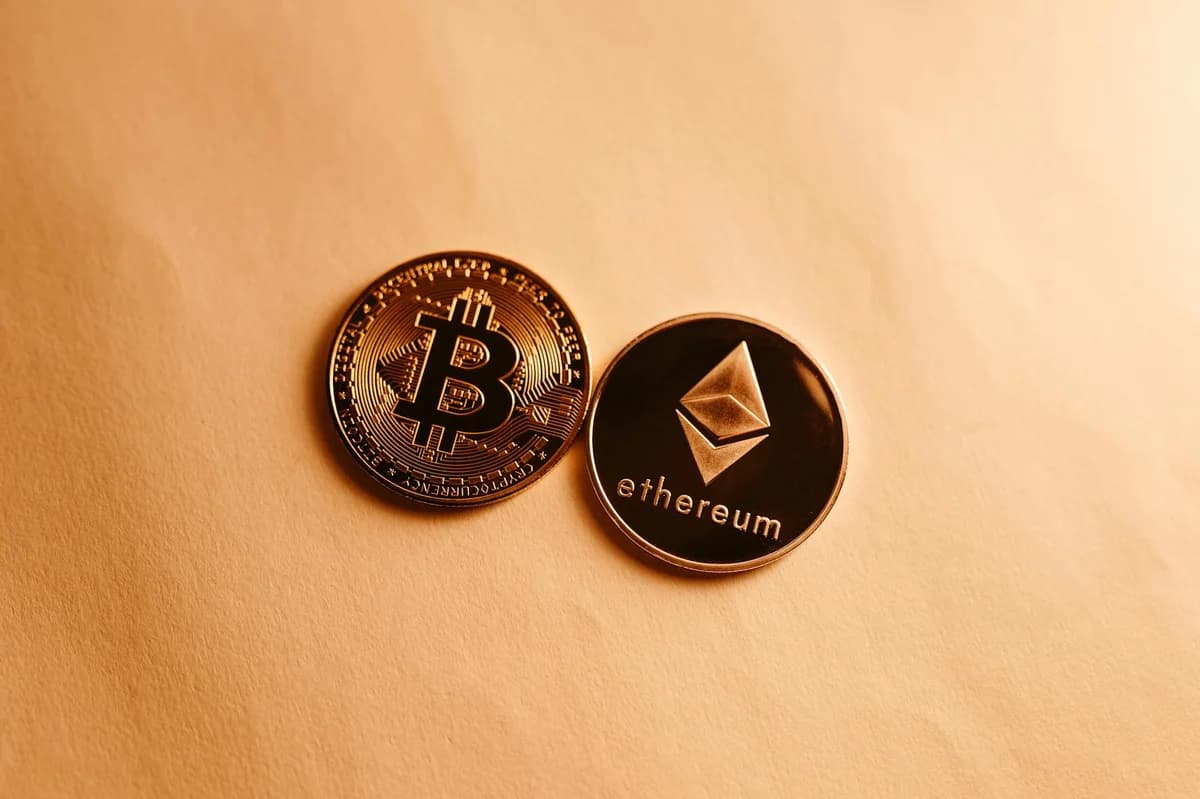
Bitcoin is a decentralized digital currency that allows peer-to-peer transactions without a bank or government intermediary. Created in 2009 by an anonymous person or group using the name Satoshi Nakamoto, Bitcoin introduced the blockchain — a public ledger that records every transaction permanently. Think of Bitcoin as digital gold: it is scarce (only 21 million will ever exist), transferable globally, and cannot be counterfeited. For example, sending 1 Bitcoin to a friend in another country takes minutes instead of days, and no bank approval is needed. Bitcoin is the foundation upon which most other crypto concepts are built.
Ethereum and Smart Contracts: Essential Crypto Basics

Ethereum is a decentralized platform that extends Bitcoin’s idea by allowing developers to create smart contracts. A smart contract is like a vending machine: you insert the right conditions (e.g., pay a certain amount) and the machine automatically dispenses the result (e.g., a token or access to a service). No human middleman is required. For instance, a musician could create a smart contract that automatically pays them whenever someone streams their song. Ethereum’s native currency, Ether, is used to pay for these automated actions. This capability made Ethereum the hub for most decentralized applications and the foundation for DeFi and NFTs.
DeFi: Decentralized Finance as a Crypto Fundamental
DeFi, or decentralized finance, is a system of financial applications built on blockchain networks, primarily Ethereum. It replaces traditional banks, brokers, and exchanges with smart contracts. Users can lend, borrow, trade, and earn interest directly from one another. For example, instead of opening a savings account at a bank, you could deposit your crypto into a DeFi lending pool and earn returns that are typically higher than what a bank offers. DeFi gives anyone with an internet connection access to financial services, regardless of location or credit history. The entire system is transparent — anyone can audit the code and see the total value locked in a protocol.
NFTs: A Key Crypto Concept in Digital Collectibles
An NFT, or non-fungible token, is a unique digital certificate of ownership stored on a blockchain. Unlike Bitcoin, where one coin is identical to another, each NFT is one-of-a-kind. Think of it like a signed baseball card or a concert ticket with a special seat — it cannot be swapped for an identical item. NFTs are used for digital art, music, virtual real estate, and even tweets. For example, an artist can mint a digital painting as an NFT, sell it directly to a collector, and program a royalty that pays them a percentage every time the NFT is resold. This concept proves ownership and authenticity in the digital world.
Staking and Gas Fees: Practical Crypto Concepts
Staking is the process of locking up a cryptocurrency (like Ethereum after its upgrade to proof of stake) to help secure the network and validate transactions. In return, stakers earn rewards. It is similar to earning interest by putting money in a savings account, but the funds are used to support network operations. For example, if you stake 10 Ether, you help process transactions and earn newly minted Ether as a reward.
Gas fees are the transaction costs required to perform actions on a blockchain like Ethereum. Every time you send a token, swap coins on a DeFi app, or buy an NFT, you pay a small fee to miners or validators. Gas fees vary based on network congestion. When many people are using the network, gas can become very expensive; during quiet periods, it can be quite low. Think of gas like a highway toll — the more crowded the road, the higher the toll to get through quickly.
Private Keys and Seed Phrases: Foundational Crypto Security Concepts
A private key is a secret string of letters and numbers that allows you to access and control your cryptocurrency. It is like the key to a digital vault — anyone with the key can open the vault and move the funds. Never share your private key with anyone. A seed phrase (also called a recovery phrase) is a set of 12 or 24 randomly generated words that can recreate all your private keys. For example, if you lose your phone, you can restore your entire wallet on a new device using the seed phrase. It is the master key to your entire crypto portfolio. Store it offline in a safe place; writing it on paper and locking it in a safe is more secure than saving it online.
Layer 2 Scaling and Yield Farming: Advanced Crypto Concepts
Layer 2 is a technology built on top of a blockchain (Layer 1) to make transactions faster and cheaper. It processes transactions off the main chain and then batches them back for final settlement. A common analogy is a café that writes orders on a sticky note instead of using the main ledger for every coffee — it speeds up service and reduces costs. For example, Optimism and Arbitrum are Layer 2 networks that can handle thousands of transactions per second, while Ethereum’s mainnet handles around 15. This makes using DeFi and NFTs much more affordable.
Yield farming is a practice in DeFi where users move their crypto between different lending pools and liquidity funds to maximize returns. It is similar to shopping for the best interest rate on savings accounts at multiple banks and switching your money whenever a better offer appears. Yield farmers deposit assets into liquidity pools (e.g., a token pair like ETH/USDC) and earn fees from trades plus additional rewards in the form of new tokens. While the potential returns can be higher than traditional savings, yield farming carries risks like impermanent loss and smart contract bugs.
Understanding these essential crypto concepts — from Bitcoin’s decentralized money to Ethereum’s smart contracts, DeFi, NFTs, staking, gas fees, private keys, seed phrases, Layer 2, and yield farming — gives you a solid foundation for navigating the blockchain world. Each concept plays a unique role in building a more open, transparent, and accessible financial system.