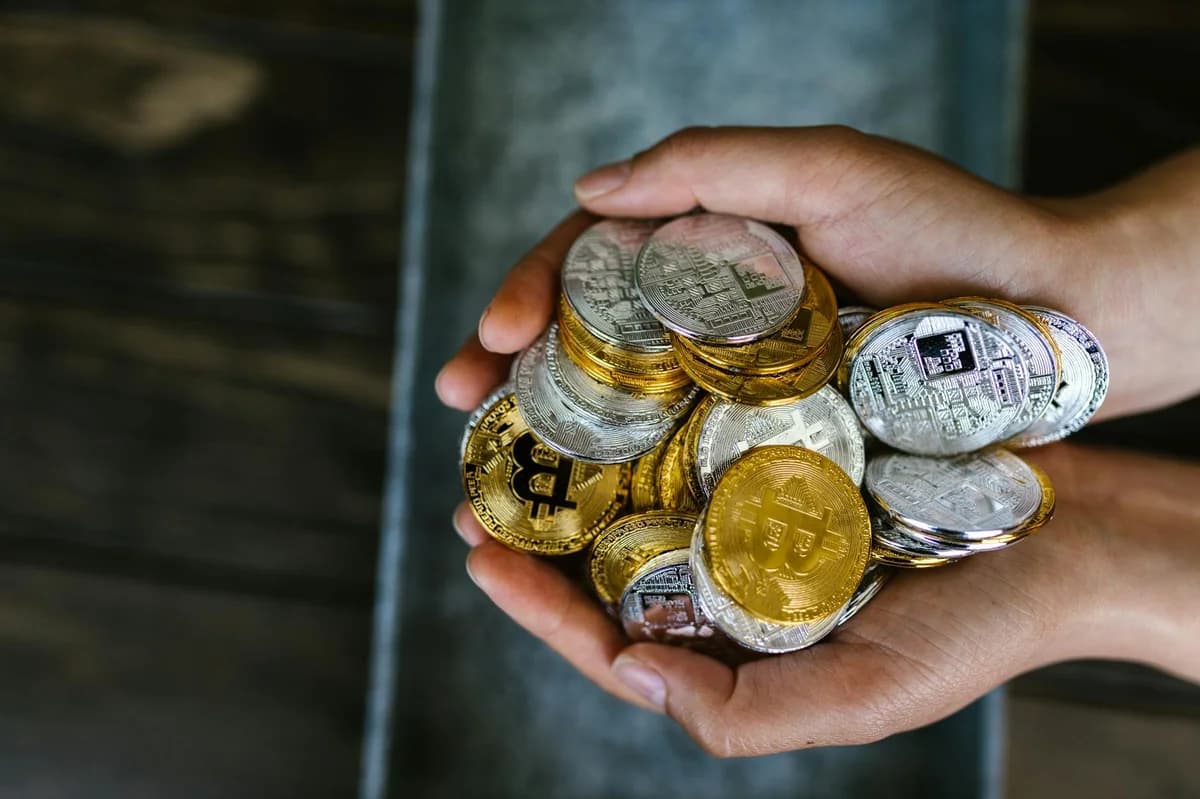
How NGOs Use Crypto Donations for Impact
Learn how NGOs are using crypto donations to lower costs, reach global donors, and improve transparency. Includes real examples from UNICEF, Red Cross, and Save the Children.

How NGOs Use Crypto Donations for Impact
Crypto donations are transforming how non-profit organizations raise and deploy funds. By accepting Bitcoin, Ethereum, and other digital assets, NGOs bypass traditional banking delays and reach a global donor base instantly. This article explains the mechanics, benefits, and real-world examples of cryptocurrency giving for beginners.

Why NGOs Are Turning to Crypto Donations
Traditional donation methods rely on banks, credit cards, and payment processors that charge fees of 2% to 3% per transaction and can take days to settle. Crypto donations, by contrast, move directly from donor to NGO with a small network fee (often pennies or a few dollars) and settle in minutes or hours. For international relief efforts, this speed and cost advantage is critical.
Beyond lower costs, crypto donations open up a new donor demographic: people who hold digital assets but may not have easy access to traditional banking. Many young, tech-savvy supporters prefer to give cryptocurrency because it aligns with their values of decentralization and financial inclusion.
Tax Advantages for Donors
In many jurisdictions, donating appreciated cryptocurrency is more tax-efficient than selling it first. When a donor sells crypto, they trigger a capital gains tax event. By donating the asset directly to a qualified NGO, the donor avoids that tax and can still deduct the full fair-market value from their taxable income. This creates a powerful incentive for long-term holders to give rather than cash out.
Transparency and Traceability
Blockchain technology provides an immutable public ledger. Donors can verify exactly where their funds went, reducing concerns about misuse. Some NGOs now publish donation wallet addresses and use block explorers to show incoming transactions, while others partner with platforms like The Giving Block that automate receipt generation and tax reporting.
Real-World Examples of Crypto for Charities
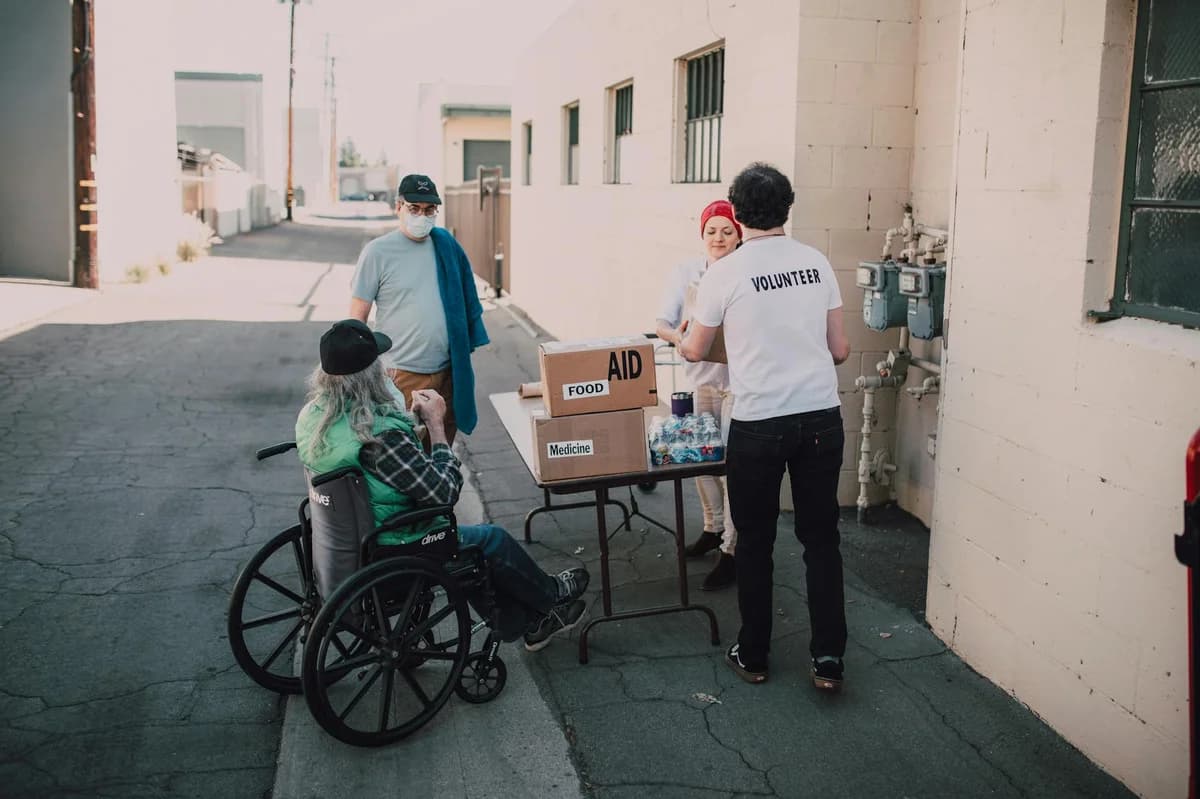
Several major NGOs have embraced crypto donations with measurable success. The table below highlights a few prominent adopters and how they integrate digital assets.
| Organization | Crypto Accepted | Notable Initiative |
|---|---|---|
| UNICEF | Bitcoin, Ethereum, 10+ tokens | UNICEF Crypto Fund – raises and distributes crypto directly to blockchain startups working on global challenges |
| American Red Cross | Bitcoin, Bitcoin Cash, Ethereum | Partners with The Giving Block to process donations and issue tax receipts |
| Save the Children | Bitcoin, Ethereum, USDC, Dogecoin | Launched a crypto donation portal in 2021; raised over $1 million in the first year |
| Greenpeace | Bitcoin, Ethereum | Actively campaigns for Bitcoin to shift to proof-of-stake; accepts crypto for advocacy funding |
💡 Pro Tip: Before donating crypto, check if the NGO uses a third-party processor like The Giving Block or Endaoment. These platforms convert the asset to fiat instantly at current market rates, protecting the NGO from price volatility. If you want the NGO to hold the crypto long-term, ask about their wallet policy first.
The Mechanics Behind Crypto Donations
For beginners, the process of donating crypto is simpler than it sounds. Here’s a step-by-step breakdown:
- Choose an NGO that accepts crypto (many now list a donation wallet address on their website).
- Select your asset – most organizations accept Bitcoin, Ethereum, and stablecoins like USDC. Some also accept altcoins.
- Send the donation – use your wallet’s “Send” feature to transfer the desired amount to the NGO’s public address. Double-check the address to avoid errors.
- Receive a receipt – the NGO (or its processor) will issue a tax-deductible receipt, typically within a few hours.
How NGOs Handle Volatility
NGOs have three main strategies to manage crypto price swings:
- Instant conversion – using services like Coinbase Commerce or BitPay, the donated crypto is swapped to fiat immediately.
- Holding strategy – a small number of NGOs keep a portion of donations in crypto as a long-term treasury.
- Stablecoin preference – many organizations now list USDC or DAI as preferred donation assets to avoid volatility while keeping blockchain benefits.
What Donors Should Watch Out For
⚠️ Warning: Never donate to an address you verify only through a social media post or unsolicited message. Scammers often impersonate NGOs by posting fake wallet addresses. Always use the official website of the charity and double-check the address with a second source (e.g., the charity’s official Twitter account or a trusted directory like Charity Navigator).
Practical Steps to Start Accepting Crypto Donations
If you work with an NGO that isn’t yet crypto-ready, here is a straightforward checklist to get started.
- Assess legal and tax compliance – consult with a nonprofit attorney to confirm crypto donations are treated as charitable gifts in your jurisdiction.
- Choose a payment processor – services like The Giving Block, Endaoment, or Coinbase Commerce handle transaction processing, receipt generation, and conversion to fiat.
- Set up a secure wallet – if you plan to hold any crypto directly, use a hardware wallet (e.g., Ledger or Trezor) for long-term storage.
- Promote your crypto donation option – add a “Donate Crypto” button on your website and share your wallet address on official channels.
- Educate your donors – publish a simple FAQ explaining the tax benefits and the sending process. Many donors are hesitant because they don’t know how to do it.
Integration with Existing Fundraising Platforms
Most crypto donation processors offer API integrations with popular fundraising tools like Bloomberg, EveryAction, or Salesforce. This allows NGOs to track crypto donations alongside traditional gifts in their existing database, generating unified donor reports.
The Future of Crypto Donations
As regulatory clarity improves globally, more NGOs are expected to adopt digital assets. Blockchain-based smart contracts also enable programmable donations – for example, funds that only release when a specific milestone is reached. While still experimental, this could increase donor trust in large-scale humanitarian projects.
For donors, crypto donations offer a modern, transparent, and tax-efficient way to support causes they care about. For NGOs, it is a rapidly growing revenue stream that aligns with the values of a generation raised on digital ownership.
💡 Pro Tip: If you are new to crypto, start by donating a small amount of a stablecoin like USDC. This lets you test the process without worrying about price changes. Most platforms have a minimum donation of around $10 worth of crypto.
In summary, crypto donations are not a niche experiment – they are becoming a standard part of the non-profit fundraising toolkit. By understanding the mechanics and taking basic security precautions, both donors and NGOs can benefit from this innovative giving channel.
RELATED ARTICLES

A rug pull is a crypto scam where developers abandon a project after taking investors' money. These schemes exploit trust and hype to create a false sense of legitimacy before vanishing. Understanding how rug pulls work is essential for protecting your funds in decentralized finance (DeFi) and token markets.

Algorand and Pure Proof of Stake: A Beginner's Guide