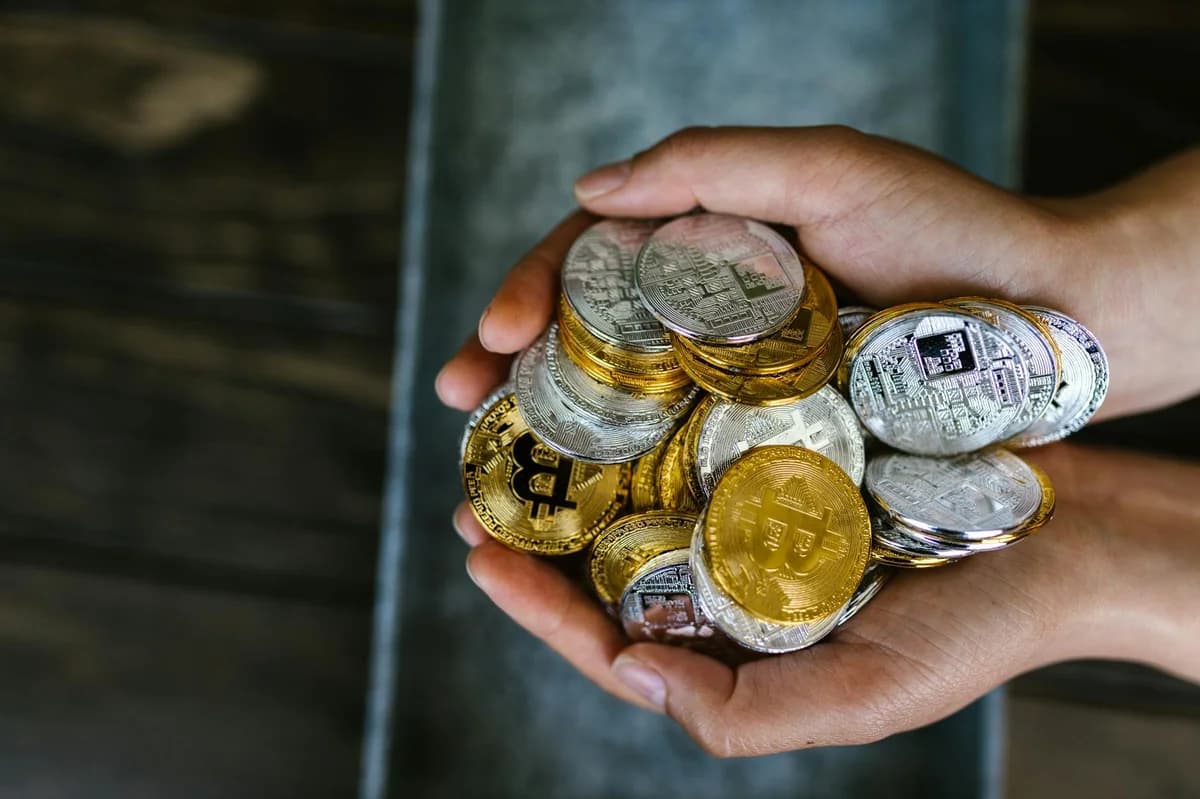
How to Buy, Sell & Store Bitcoin: A Beginner's Guide
Learn how to buy, sell, and store Bitcoin safely. Step-by-step guide with wallet comparisons, exchange tips, and common mistakes to avoid. Perfect for crypto beginners.
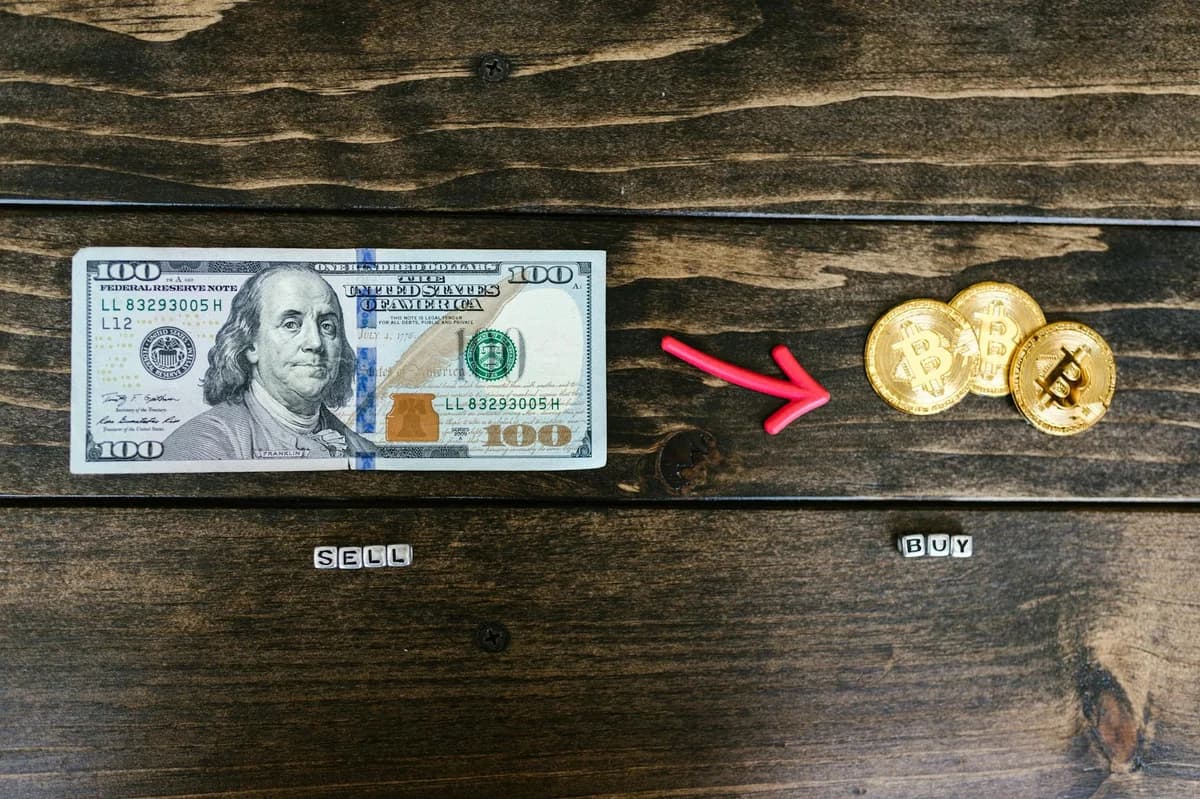
How to Buy, Sell & Store Bitcoin: A Beginner's Guide
Bitcoin is the world’s first decentralized cryptocurrency, and learning how to buy, sell, and store it is essential for any beginner. This guide walks through each step with clear examples, so you can move from curious to confident without getting lost in jargon or risky shortcuts.
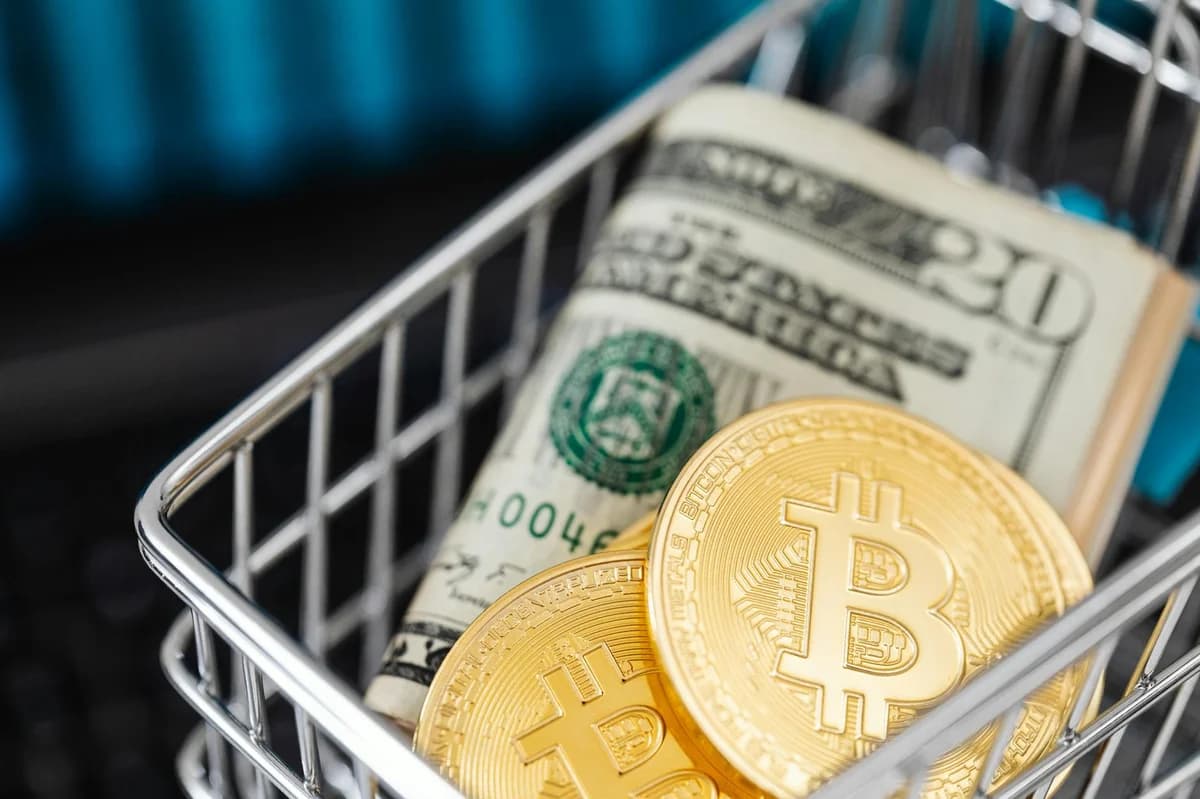
Why You Need a Wallet Before Buying Bitcoin
Before you purchase any Bitcoin, you need a digital wallet to hold it. A wallet is software or hardware that stores your private keys — the secret codes that prove you own your Bitcoin. Without a wallet, any Bitcoin you buy will remain under the exchange’s control, which defeats the purpose of self‑custody.
There are two main types of wallets:
- Hot wallets – Connected to the internet (e.g., mobile apps, browser extensions). Convenient for frequent trading but less secure.
- Cold wallets – Offline devices (e.g., hardware wallets like Ledger or Trezor). Maximum security for long‑term storage.
💡 Pro Tip: Never store large amounts of Bitcoin on an exchange. Move it to your own wallet after purchase — not your keys, not your coins.
How to Buy Bitcoin Using a Centralized Exchange
The most common way to buy Bitcoin is through a centralized exchange (CEX) like Coinbase, Kraken, or Binance. These platforms act as intermediaries, matching buyers and sellers.
Step 1: Create and Verify an Account
Sign up on a reputable exchange and complete the identity verification process (usually submitting a passport or driver’s license). This step is mandatory due to anti‑money laundering regulations.
Step 2: Deposit Funds
Link a bank account or debit card and deposit your local currency. Some exchanges also accept wire transfers. Transaction times vary — bank transfers can take one to three business days, while card payments are instant but typically come with a small fee.
Step 3: Place an Order
Once your funds arrive, navigate to the trading page. You can place either a market order (buy Bitcoin instantly at the current market price) or a limit order (set a specific price you’re willing to pay). For beginners, a market order is simpler.
Example: You deposit $100, see the current price, and click “Buy” — you instantly receive an amount of Bitcoin equal to $100 minus the exchange’s fee (often around 0.1% to 0.5%).
Step 4: Withdraw to Your Wallet
After the purchase, immediately send the Bitcoin to your personal wallet. Copy your wallet’s receiving address (a long string of letters and numbers), paste it into the exchange’s withdrawal field, and confirm. Double‑check the address — transactions are irreversible.
| Step | Action | Typical Time |
|---|---|---|
| 1 | Create & verify account | 10–30 minutes |
| 2 | Deposit funds | 1 minute (card) to 3 days (bank) |
| 3 | Place order | Seconds |
| 4 | Withdraw to wallet | 10–60 minutes (depends on network) |
How to Sell Bitcoin When You Want to Cash Out
Selling Bitcoin works similarly to buying, but in reverse. You send your Bitcoin from your wallet back to an exchange, sell it for local currency, and then withdraw that money to your bank account.
- Send Bitcoin to the exchange – Log into your exchange account, find the deposit address for Bitcoin, and send your coins from your wallet. Wait for network confirmations — this can take from a few minutes to over an hour.
- Sell for fiat currency – Once the Bitcoin arrives, place a sell order (market or limit). The exchange credits your account with the equivalent in US dollars, euros, or your local currency.
- Withdraw to your bank – Initiate a withdrawal to your linked bank account. Processing times vary; many exchanges complete wire transfers within one business day.
A practical example: Suppose you bought 0.1 Bitcoin months ago and now want to realize your gains. You send that 0.1 BTC to an exchange, sell it at the current market price, and then withdraw the proceeds to your checking account.
Storing Bitcoin Safely: Hot vs Cold Wallets
Choosing the right storage method depends on how often you plan to use your Bitcoin. The trade‑off is always convenience versus security.
Hot Wallets
- Best for: Small amounts you spend or trade regularly.
- Examples: Trust Wallet, MetaMask, Electrum.
- Risk: Because they’re online, they’re vulnerable to malware, phishing, and exchange hacks if connected to a compromised service.
Cold Wallets
- Best for: Long‑term savings or large holdings.
- Examples: Ledger Nano X, Trezor Model T, paper wallets.
- Security: Private keys never touch the internet. Even if your computer is infected, your Bitcoin remains safe.
Here’s a quick comparison:
| Feature | Hot Wallet | Cold Wallet |
|---|---|---|
| Internet connection | Always online | Offline |
| Ease of use | Very easy (click & send) | Requires physical device |
| Security level | Low to moderate | Very high |
| Ideal use case | Daily spending | Savings / “hodling” |
For most beginners, a good strategy is to keep only what you plan to use in the next month in a hot wallet, and store the rest in a cold wallet.
Common Mistakes Beginners Make When Handling Bitcoin
Avoid these pitfalls to protect your funds:
- Sending to the wrong address – Bitcoin addresses are case‑sensitive and must be exact. Always copy‑paste and check the first and last few characters.
- Ignoring network fees – When you send Bitcoin, you pay a small fee to miners. During busy times these fees can become very expensive. Check traffic before sending.
- Losing your seed phrase – A wallet’s recovery phrase (12 or 24 words) is the only way to restore your funds if you lose your device. Write it down on paper, not digitally. Store it in a safe place.
- Falling for fake exchanges – Only use well‑known platforms with a long track record. Scammers create look‑alike sites to steal your deposit.
Conclusion
Buying, selling, and storing Bitcoin is straightforward once you understand the basic steps: choose a wallet, use a reputable exchange to trade, and prioritize security by moving your coins offline for long‑term holding. Start with small amounts, practice sending and receiving, and always verify addresses and fees before confirming any transaction. With these fundamentals, you can confidently participate in the Bitcoin ecosystem without unnecessary risk.
RELATED ARTICLES
A rug pull is a crypto scam where developers abandon a project after taking investors' money. These schemes exploit trust and hype to create a false sense of legitimacy before vanishing. Understanding how rug pulls work is essential for protecting your funds in decentralized finance (DeFi) and token markets.

Algorand and Pure Proof of Stake: A Beginner's Guide