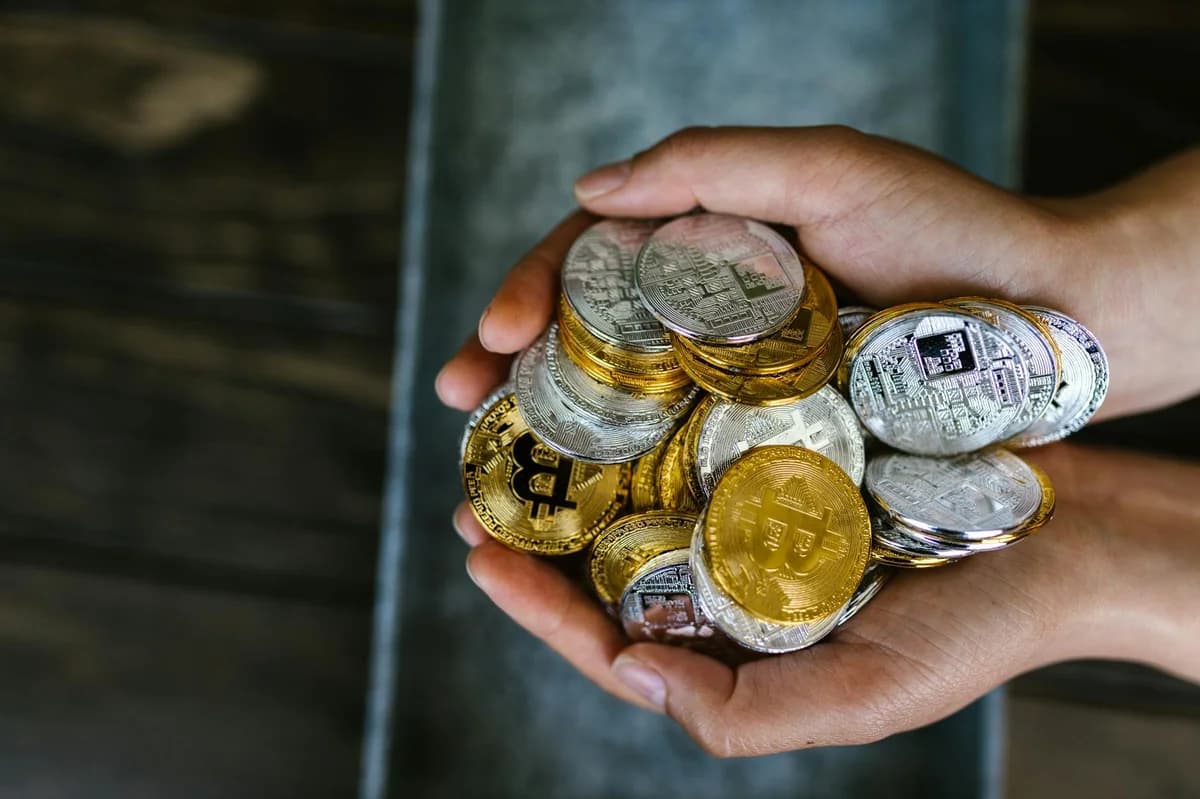
How to Spot a Memecoin Scam: A Beginner's Guide
Learn how to identify a memecoin scam with practical examples. Check team, liquidity, promises, and smart contracts to avoid rug pulls and protect your crypto.
How to Spot a Memecoin Scam: A Beginner's Guide
Memecoin scams are a common threat in the crypto space, but you can learn to identify them before losing your funds. This guide breaks down the warning signs with clear examples, so even a beginner can navigate memecoins safely.
What Defines a Memecoin Scam?
A memecoin scam is a token that uses hype and viral marketing to attract buyers, only to trap them with hidden mechanisms that make selling impossible or drain their money. Unlike legitimate memecoins that have active communities and transparent development, scam memecoins are engineered to enrich creators at the expense of investors. Common traits include:
- Anonymous or fake team members – no real identities or verifiable backgrounds
- No whitepaper or a whitepaper copied from another project
- Extreme hype with no roadmap – only promises of "going to the moon"
- Unrealistic social media engagement – bots and paid followers
- Vague tokenomics – unclear supply or distribution that favors the team
💡 Pro Tip: Before buying any memecoin, spend 30 minutes checking the team's LinkedIn or Twitter history. If the only accounts are a week old, that is a memecoin scam red flag.
Recognizing a Memecoin Scam Through Its Team
Legitimate projects usually have publicly known developers or at least pseudonymous ones with a track record. In a memecoin scam, the team often hides behind a fake persona. For example, a coin called "SuperDogMoon" might claim to be run by "ElonMuskJr" – a Twitter account created two days ago with zero genuine followers.
To verify a team, look for proof of past work like GitHub contributions or reputable community involvement. If the only "team" information is a cartoon avatar and a cryptic Telegram handle, consider it a memecoin scam until proven otherwise.
Liquidity and the Memecoin Scam Trap
Liquidity is the pool of tokens available for trading. In a memecoin scam, creators often deposit a small portion of tokens into a liquidity pool and then pull the liquidity (a "rug pull") once the token's price rises, leaving buyers with worthless coins. Here is a comparison table:
| Feature | Legitimate Memecoin | Memecoin Scam |
|---|---|---|
| Liquidity locked | Locked for 6–12 months via tools like Unicrypt | Not locked or locked for a few days |
| Liquidity amount | Large relative to market cap | Tiny, often less than a few thousand dollars in value |
| Team ownership | Renounced or controlled by a multi-sig wallet | Held by a single wallet that can withdraw anytime |
Always check a memecoin's liquidity on a blockchain explorer (e.g., Etherscan for Ethereum-based tokens). If the liquidity pool's owner has permission to remove funds, that is a memecoin scam classic.
Unrealistic Promises: The Memecoin Scam's Favorite Tactic
Scammers rely on greed. A typical memecoin scam will promise returns that sound too good to be true – because they are. For instance, a token might advertise "guaranteed 100x gains in a week" or "earn free tokens for referring friends – withdraw instantly!"
Legitimate projects never guarantee specific returns because markets are unpredictable. If you see guaranteed profit language, automatic allowances for spending your tokens, or a "referral bonus" that pays in the scam token itself, you are looking at a memecoin scam. Another common trick is a double-your-money scheme that requires you to send tokens to a smart contract – the contract simply takes your tokens and gives nothing back.
Smart Contract Red Flags for a Memecoin Scam
Even if a memecoin looks fun, its underlying code may hide traps. Beginners can use simple checks without reading code:
- Check if the contract is verified on a block explorer (e.g., BscScan). Unverified contracts mean you cannot see the code – a major memecoin scam sign.
- Look for "mint" or "owner-only" functions – these allow the creator to create new tokens indefinitely, diluting your holdings.
- Search for "honeypot" detection – use tools like Honeypot.is to see if you can sell the token. A honeypot lets you buy but not sell, locking your money.
- Review the token's tax – some scam tokens impose a very high transfer tax (e.g., 95%) that makes trading impossible.
Bold: A memecoin scam often has a contract where the owner can drain everyone's balance through a hidden "withdraw" function. Always paste the contract address into a rug-pull checker before investing.
Conclusion
Memecoin scams thrive on FOMO (fear of missing out) and social proof. By checking the team, liquidity, promises, and smart contract, you can separate legitimate community coins from outright frauds. Remember: if a memecoin scam looks too easy or too profitable, it is likely a trap. Stay skeptical, do your own research, and never invest more than you can afford to lose.
RELATED ARTICLES

A rug pull is a crypto scam where developers abandon a project after taking investors' money. These schemes exploit trust and hype to create a false sense of legitimacy before vanishing. Understanding how rug pulls work is essential for protecting your funds in decentralized finance (DeFi) and token markets.
Algorand and Pure Proof of Stake: A Beginner's Guide