Memecoin Explained: What They Are & Why People Buy
Learn what memecoins are, why people buy them, real examples like Dogecoin, and the risks involved. A beginner-friendly guide to meme cryptocurrencies.
Memecoin Explained: What They Are & Why People Buy
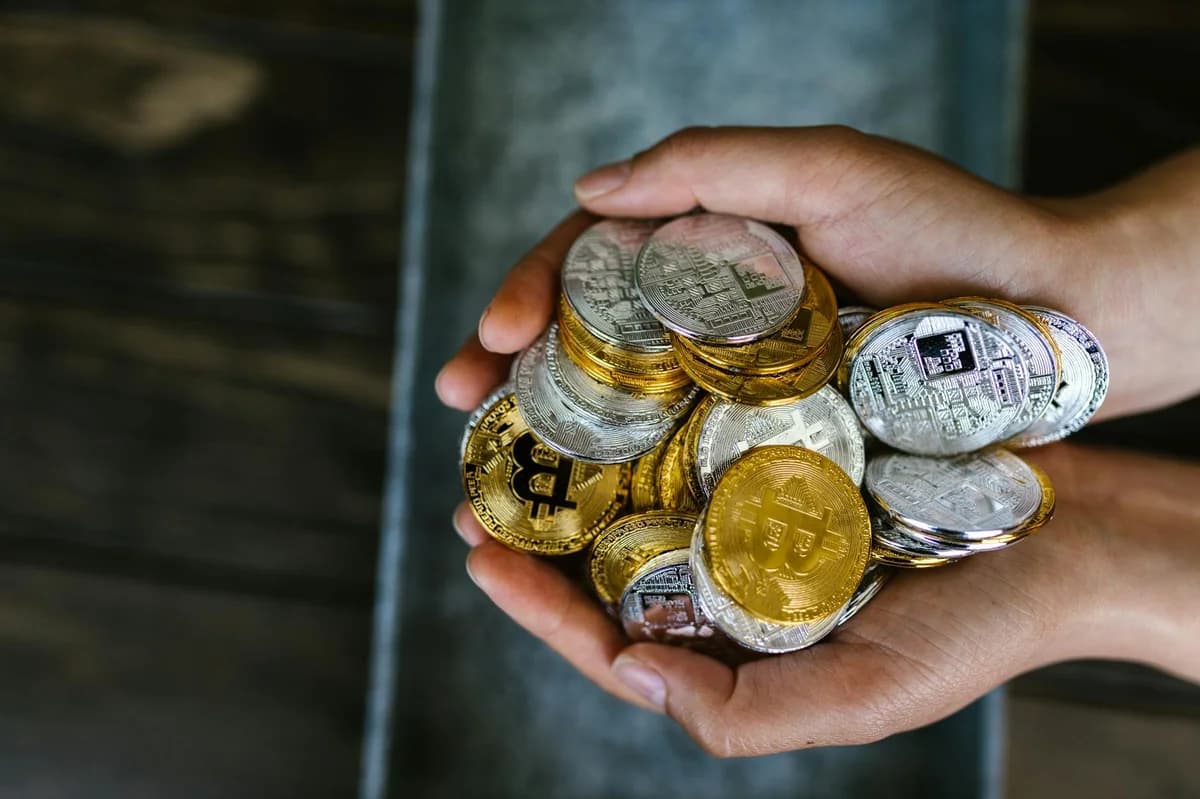
Memecoin is a type of cryptocurrency that originates from internet jokes, memes, or cultural references rather than from a serious technological purpose. Unlike Bitcoin or Ethereum, memecoins often have no underlying blockchain utility or development roadmap; their value is driven almost entirely by community hype, social media influence, and viral trends.
What Defines a Memecoin?
A memecoin typically lacks a whitepaper, a clear use case, or a dedicated team solving a real-world problem. Instead, its identity revolves around a shared joke, a popular animal (like dogs or frogs), or a nostalgic internet moment. The following table highlights key differences between a memecoin and a more traditional cryptocurrency.
| Feature | Traditional Cryptocurrency (e.g., Bitcoin) | Memecoin (e.g., Dogecoin) |
|---|---|---|
| Purpose | Decentralized digital currency or platform | Entertainment, community, viral marketing |
| Supply cap | Usually fixed (21 million BTC) | Often unlimited or very large (e.g., 132 billion DOGE) |
| Development | Active, with roadmaps and upgrades | Minimal after launch; relies on community |
| Value driver | Technology, adoption, scarcity | Hype, social media, influencer endorsements |
Because memecoins have little intrinsic value, their price can swing wildly based on a single tweet or a TikTok trend. Many are launched with a large supply and a tiny price per coin, making them feel “affordable” to new buyers — a psychological trick rather than a sign of value.
Why People Buy Memecoins: The Psychology
The reasons people buy memecoins go beyond simple speculation. Several psychological factors and market dynamics come into play:
- Fear of missing out (FOMO) – Seeing others profit from a quick price surge creates urgency.
- Low entry price – A coin priced at fractions of a cent feels “cheap,” even though market cap is what matters.
- Community belonging – Memecoin communities are often lighthearted and inclusive; buying in is like joining a club.
- Gamification and humor – The joke itself becomes an investment thesis — “it’s funny money that might go up.”
- Rebellion against traditional finance – Some buyers enjoy cheering for an asset that “elites” dismiss as worthless.
These drivers can create self-fulfilling cycles: more buyers push the price up, which attracts more buyers, until the hype runs out or whales dump their holdings.
Famous Memecoin Examples and Their Origins
The most well-known memecoin example is Dogecoin, created in 2013 as a parody of Bitcoin based on the “Doge” Shiba Inu meme. Despite having no serious development, it gained massive popularity after Elon Musk tweeted about it and later accepted it for Tesla merchandise.
Another major example is Shiba Inu (SHIB), launched in 2020 as a “Dogecoin killer.” It built its own ecosystem including a decentralized exchange and NFT platform, but its initial value stemmed entirely from internet hype. Similarly, Pepe (PEPE) and Floki Inu rode viral frog and dog memes to billion‑dollar market caps before crashing back down.
💡 Pro Tip: Never invest more than you can afford to lose, and treat memecoin purchases as entertainment spending, not serious investment. If you do buy, use a wallet you control and be prepared for the token’s value to drop to zero.
Risks and Rewards of Memecoin Trading
The risks of memecoin trading are substantial and often overlooked by beginners.
Common Risks
- Extreme volatility – Prices can rise 1,000% in a day and then lose 90% the next week.
- Rug pulls – Developers or early holders sell their large positions, crashing the price (common with anonymous teams).
- Lack of liquidity – Tiny trading volumes make it impossible to sell without causing a massive price drop.
- Pump‑and‑dump schemes – Influencers coordinate buying to inflate the price, then sell to unsuspecting buyers.
Potential Rewards
- Multi‑bagger returns in a short time if you enter early and sell before the hype fades.
- Fun community experience – many memecoin groups are social and creative, hosting contests and charity drives.
- Entry point into crypto – low per‑coin price makes it easy for beginners to learn wallet usage and trading without committing large sums.
Rewards are rare and unpredictable; most memecoins lose value over time. Treat them like lottery tickets, not building blocks of a portfolio.
How to Research Memecoins Before Buying
If you still decide to explore memecoins, a basic research process can help you avoid obvious scams. Follow these steps:
- Check the team – Are the developers known or anonymous? Anonymous teams are riskier.
- Look at social media activity – Genuine, organic communities with active discussions are better than bots. Check Telegram, Twitter, and Reddit.
- Verify liquidity – Use tools like DexScreener or CoinGecko to see if the token has a healthy pool (e.g., hundreds of thousands of dollars locked).
- Review the contract – Look for renounced ownership (no one can mint more tokens) and a verified contract on block explorers like Etherscan.
- Read the narrative – Is the joke still fresh and spreading? Old memes lose steam quickly.
No amount of research can eliminate the inherent risk of memecoin investing. Always start with a very small amount — what you would spend on a meal or a movie ticket.
Conclusion
Memecoin is a unique phenomenon in the crypto world, driven more by culture than by code. People buy them for the thrill, the community, and the chance at life‑changing gains, but the odds are stacked against long‑term success. By understanding what memecoins are, why they captivate traders, and how to evaluate them critically, beginners can enjoy the ride without falling for dangerous traps.
RELATED ARTICLES
A rug pull is a crypto scam where developers abandon a project after taking investors' money. These schemes exploit trust and hype to create a false sense of legitimacy before vanishing. Understanding how rug pulls work is essential for protecting your funds in decentralized finance (DeFi) and token markets.
Algorand and Pure Proof of Stake: A Beginner's Guide