What is Crypto? Key Terms Explained

What is Crypto? Key Terms Explained
Crypto is a digital asset and technology ecosystem built on blockchain networks, enabling everything from payments to programmable applications. This guide breaks down the core concepts every beginner needs to know — from Bitcoin and Ethereum to DeFi, NFTs, and more — with clear examples.

Crypto Currencies: Bitcoin and Ethereum
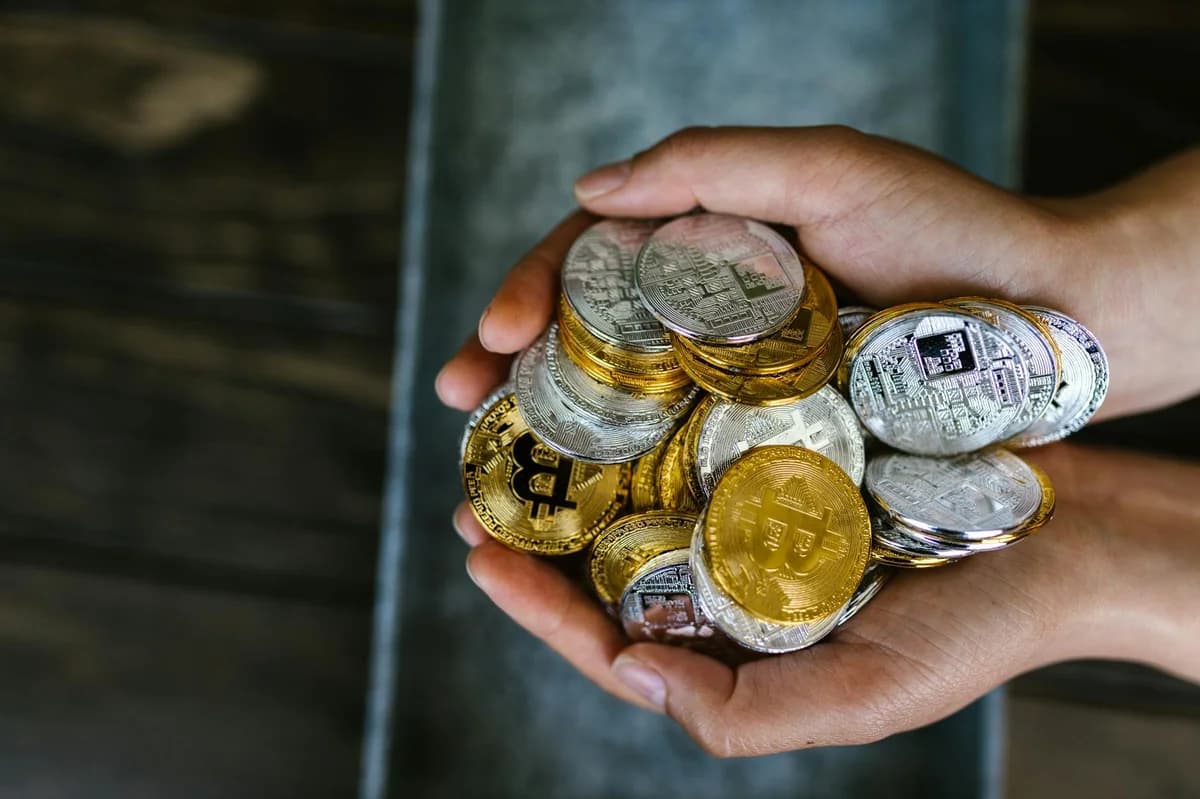
Bitcoin is the first cryptocurrency, created as a peer-to-peer electronic cash system. It operates on a decentralized ledger called the blockchain, where transactions are verified by miners. Bitcoin’s primary use is as a store of value and medium of exchange — think of it like digital gold that anyone can send without a bank.
Ethereum extends the idea further by allowing developers to build smart contracts: self-executing programs that run exactly as coded. This makes Ethereum a global computer rather than just a currency. For example, a smart contract could automatically release payment when a delivery is confirmed, removing the need for a middleman.
Crypto Wallets: Private Keys and Seed Phrases
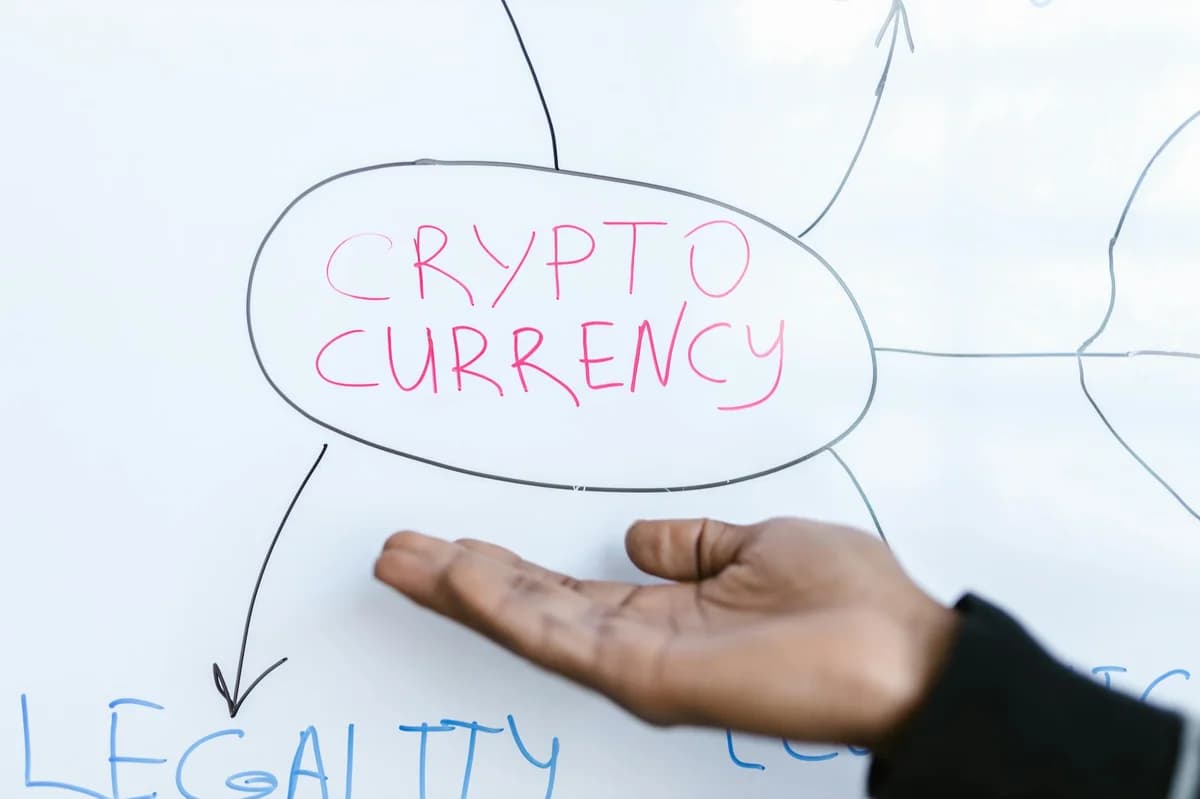
A crypto wallet is not a physical container but software that manages your private keys — the secret codes that prove ownership of your funds. A private key is like the password to an email account; anyone with it can control the assets inside. Losing your private key means losing access forever — there is no “forgot password” button.
A seed phrase is a human-readable backup of your private keys, typically a list of 12 or 24 random words. If your phone breaks, you can restore your wallet on a new device by entering this phrase. Always store your seed phrase offline and never share it. Imagine writing down the combination to a safe and hiding that paper — the safe is your wallet, the combination is your seed phrase.
Crypto Transactions: Gas Fees Explained
Every transaction on a blockchain requires a small fee paid to the network validators (miners or stakers). On Ethereum, this fee is called gas. Gas compensates for the computing power needed to process your transaction and includes a “tip” to prioritize it.
Gas fees can become very expensive when the network is busy, like surge pricing on a ride-hailing app. For example, sending a simple ETH transfer might cost a tiny fee during quiet hours, but a complex smart contract interaction during a popular NFT mint could cost many times that. Always check the current fee before confirming a transaction.
Crypto DeFi: Lending, Staking, and Yield Farming
Decentralized Finance (DeFi) replaces traditional financial services — loans, savings, trading — with smart contracts. Anyone with internet access can participate without a bank account.
Staking is the process of locking up your crypto (e.g., Ethereum or Cardano) to help secure the network. In return, you earn rewards, similar to earning interest on a savings account but typically at higher returns. For example, you can stake 10 ETH and receive additional ETH over time.
Yield farming takes staking further by moving your crypto between different DeFi protocols to maximize returns. Think of it as shopping for the best interest rate at various banks and moving your money there. However, it carries risks like smart contract bugs or sudden price drops. Always research before farming.
Crypto NFTs: Digital Ownership
Non-Fungible Tokens (NFTs) are unique digital assets that prove ownership of a specific item — such as artwork, music, or virtual land. Unlike Bitcoin, where each coin is identical, each NFT is one of a kind.
A practical example: an artist mints an NFT of their digital painting. The token’s metadata (stored on the blockchain) links to the image, and the owner’s wallet address is recorded. Anyone can view the painting, but only the private key holder can claim ownership and sell it. NFTs have also been used for event tickets, gaming items, and even real estate deeds — all verifiable without a central authority.
Crypto Scaling: Layer 2 Solutions
Blockchains like Ethereum can only process a limited number of transactions per second, leading to congestion and high fees. Layer 2 (L2) solutions build on top of the main blockchain to handle transactions off-chain, then finalize them in batches.
A common example is an “optimistic rollup” that bundles hundreds of transactions together and submits a summary to Ethereum. Users pay much lower gas fees because the L2 handles most of the work. It is like adding express lanes to a busy highway — cars still use the main road, but most traffic moves faster through the dedicated lanes. Other L2 types include zk-rollups and sidechains.
Understanding these terms gives you a strong foundation in crypto. Whether you are sending your first transaction or exploring DeFi, remember that private keys and seed phrases are your ultimate responsibility — guard them carefully.
RELATED ARTICLES

A rug pull is a crypto scam where developers abandon a project after taking investors' money. These schemes exploit trust and hype to create a false sense of legitimacy before vanishing. Understanding how rug pulls work is essential for protecting your funds in decentralized finance (DeFi) and token markets.

Algorand and Pure Proof of Stake: A Beginner's Guide