What is Cryptocurrency? A Beginner's Guide to Crypto
Learn what cryptocurrency is, how Bitcoin and Ethereum work, plus DeFi, NFTs, staking, gas fees, private keys, and Layer 2. Beginner-friendly guide with practical examples.
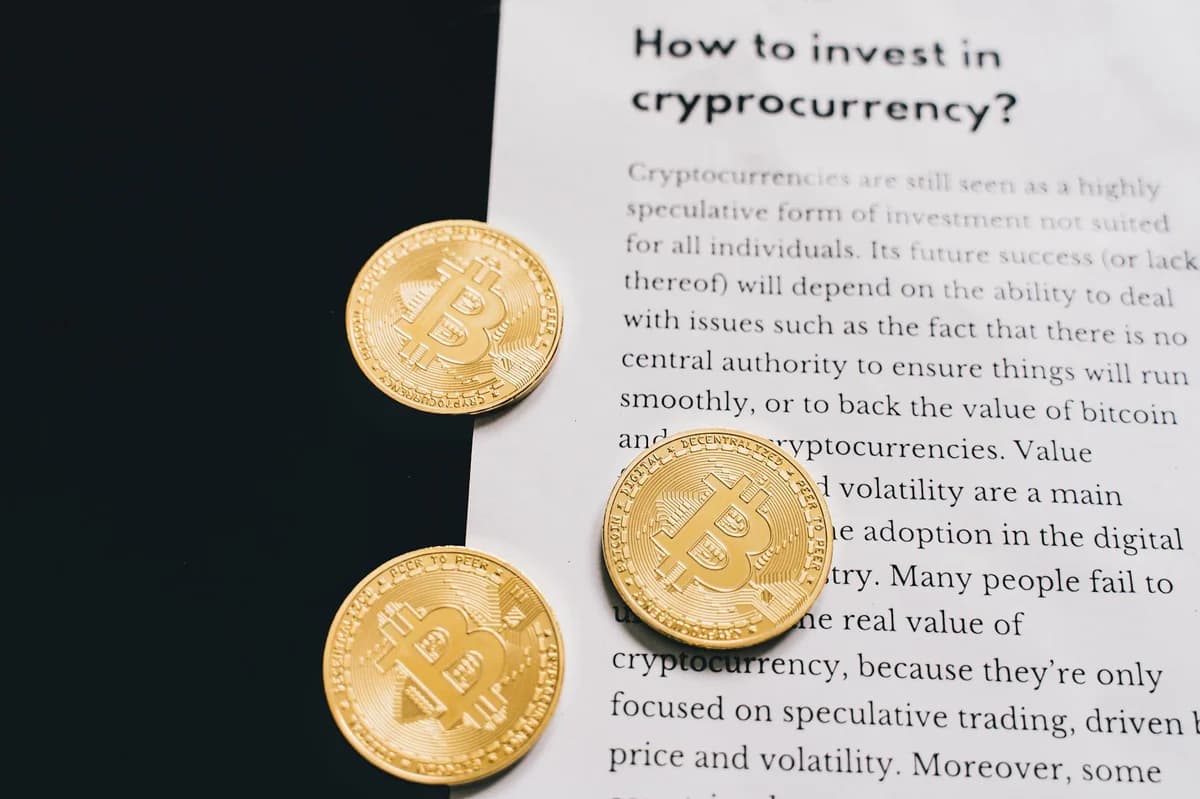
What is Cryptocurrency? A Beginner's Guide to Crypto
Cryptocurrency is a digital asset used for secure, peer-to-peer transactions without banks or governments. It relies on blockchain technology to record ownership and transfers. This guide explains the key concepts behind Bitcoin, Ethereum, DeFi, NFTs, and more with clear, practical examples.

Bitcoin and Ethereum: The First Cryptocurrencies
Bitcoin is the original cryptocurrency, created in 2009 as a decentralized alternative to traditional money. It works like digital cash: you can send Bitcoin to anyone in the world, and the transaction is verified by a network of computers (miners) instead of a bank. For example, if Alice sends Bob 0.5 Bitcoin, miners add that transaction to a public ledger called the blockchain. No one can reverse or fake it.
Ethereum is a cryptocurrency that also runs smart contracts—self-executing programs. While Bitcoin is mainly for payments, Ethereum enables developers to build decentralized applications (dApps). Think of it as an app store where every action is verified by code, not a company. An example is a decentralized lending platform where you can borrow cryptocurrency without a bank application.
How DeFi Uses Cryptocurrency for Lending and Trading
DeFi (Decentralized Finance) is a system of financial services built on cryptocurrency blockchains, mainly Ethereum. It replaces banks with smart contracts. Instead of depositing money in a savings account, you can lend your cryptocurrency to others and earn a return. For instance, you might deposit Ether into a lending pool, and borrowers take loans from that pool. The returns are typically higher than a traditional savings account, but the risks are also different.
A practical example: Imagine you want to trade one cryptocurrency for another. On a centralized exchange like Coinbase, you trust the company to hold your funds. In DeFi, you use a decentralized exchange (DEX) where trades happen directly between your wallet and a smart contract. No middleman takes a cut except the protocol fee, which is often small.
NFTs and Digital Ownership Explained
A cryptocurrency-related concept that transformed digital art is the NFT (non-fungible token). An NFT is a unique digital certificate stored on a blockchain that proves you own a specific item, like a piece of art, a music track, or a virtual collectible. Unlike Bitcoin, where every coin is identical, each NFT is one of a kind.
For example, a digital artist can create a single image, mint it as an NFT, and sell it. The buyer gets a token in their wallet that proves they own the original. Anyone can view the image online, but only the wallet holding that NFT has the official proof of ownership. This works because the blockchain permanently records the token’s history and owner.
Gas Fees and Layer 2 Solutions for Cryptocurrency Transactions
When you send a cryptocurrency on Ethereum or perform a smart contract action, you pay a gas fee—a small payment to miners or validators for processing your transaction. The fee varies based on network congestion. During busy times, a simple transfer can become very expensive. Think of it like paying a toll: when traffic is high, the toll increases.
To solve this, developers created Layer 2 solutions—secondary protocols built on top of a blockchain like Ethereum. They process many transactions off the main chain and then bundle them into a single entry. This reduces fees dramatically. For example, using a Layer 2 wallet to send Ether might cost a fraction of a cent instead of several dollars. Popular Layer 2s include Optimism and Arbitrum. They let you use DeFi apps and NFTs with lower costs.
Keeping Your Crypto Safe: Private Keys and Seed Phrases
Owning cryptocurrency means you control a private key—a long string of numbers and letters that acts like a password for your wallet. If someone gains access to your private key, they can move your funds. For security, wallets generate a seed phrase (also called a recovery phrase) of 12 or 24 words. This phrase can recreate all your private keys if you lose access.
For example, if you download a new wallet app, it will show you a seed phrase like "apple banana cherry dolphin…" You must write it down on paper and store it in a safe place. Never share it online or take a screenshot. If your phone breaks, you can enter that phrase into any compatible wallet to get your cryptocurrency back. Without it, your funds are lost forever.
Staking: Earning Rewards on Your Cryptocurrency Holdings
Staking is a way to earn additional cryptocurrency by locking up your coins to help secure a blockchain network. Proof-of-stake blockchains (like Ethereum after its upgrade) let you "stake" your coins to become a validator. In return, you earn new coins as rewards. The more you stake, the higher your chance of validating blocks.
For example, you might stake 32 Ether on Ethereum to run your own validator node. If you don't have that much, you can join a staking pool with others. Your rewards are paid out regularly, similar to interest on a savings account, but the amount varies based on network activity. Staking often requires locking your coins for a period, so you can't trade them instantly.
Yield Farming and DeFi Returns in Cryptocurrency
Yield farming is a DeFi strategy where you move your cryptocurrency between different lending protocols to earn the highest returns. It's like shopping for the best savings account rate, but you often need to deposit two different tokens (liquidity pair) to earn trading fees.
For instance, you might put equal values of Ether and a stablecoin into a liquidity pool. In return, the pool gives you a token representing your share. That token can be "farmed" in another contract for extra rewards. The returns can be significantly higher than traditional investments, but they come with risks: the value of your deposited tokens can change, and smart contracts may have bugs. Yield farming requires careful research.
Conclusion
Cryptocurrency is a transformative technology that goes beyond digital cash—it powers DeFi lending, NFT ownership, smart contracts, and innovative earning methods like staking and yield farming. Understanding private keys and seed phrases is essential for safety, while Layer 2 solutions make everyday transactions affordable. As you explore this space, start with small amounts and always verify the facts. The fundamentals you’ve learned here are the foundation for deeper participation in the crypto ecosystem.