How Hyperinflation Countries Use Bitcoin to Survive
Hyperinflation countries use Bitcoin as a lifeline when currencies collapse. Examples from Venezuela, Zimbabwe, and Lebanon in this beginner's guide.
How Hyperinflation Countries Use Bitcoin to Survive
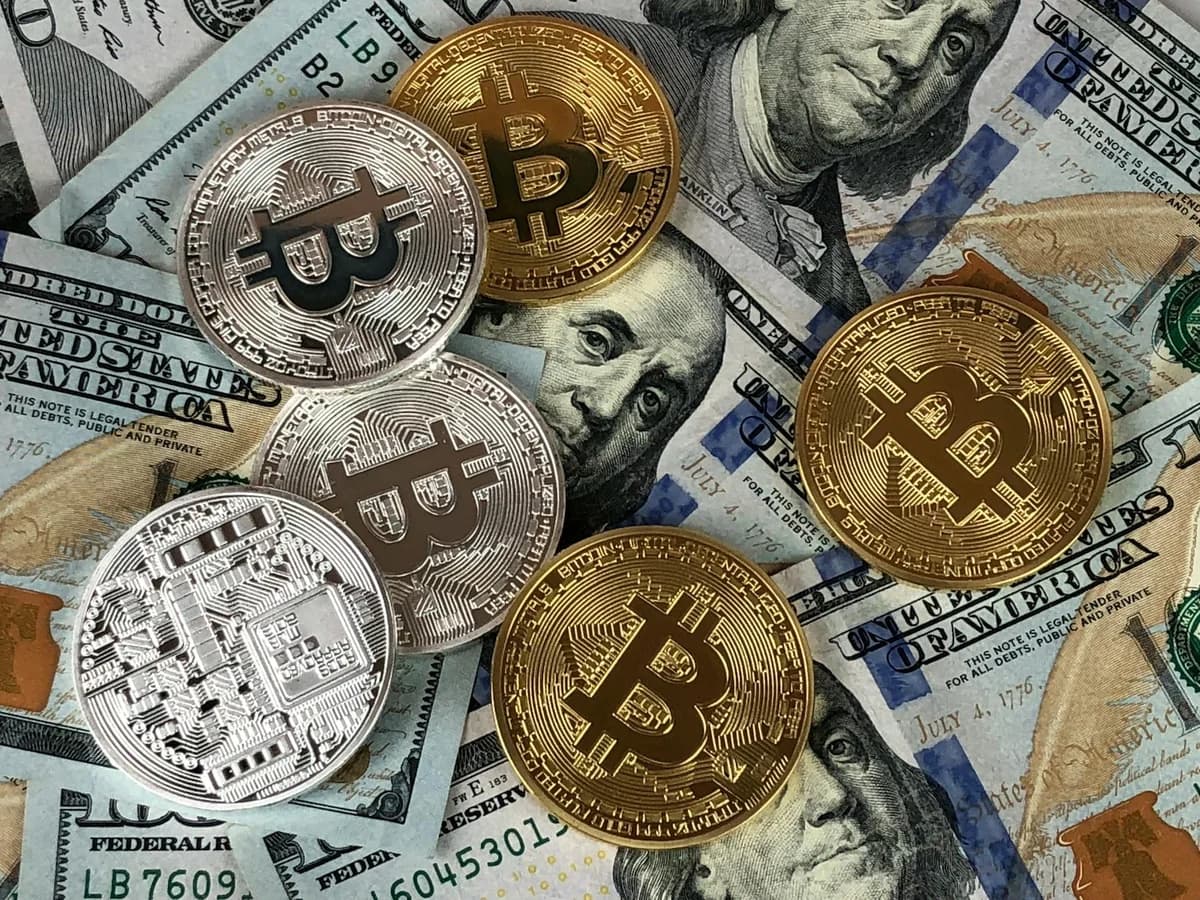
Hyperinflation countries use Bitcoin as a digital lifeline when their national currencies become worthless. When prices double every few days or even hours, traditional savings evaporate and citizens desperately seek alternatives. Bitcoin offers a borderless, censorship-resistant store of value that operates outside the control of failing central banks.
Why Hyperinflation Countries Turn to Bitcoin
When a country experiences hyperinflation, its local currency rapidly loses purchasing power. In Venezuela, for example, the bolívar lost so much value that a single US dollar could buy millions of bolívares. Citizens watched their life savings become nearly worthless in a matter of months.
The Failure of Fiat Money
Fiat currency—money issued by a government—derives its value from trust in that government. During hyperinflation, that trust collapses. Central banks print excessive money to cover budget deficits, flooding the economy with cash that chases too few goods. Prices skyrocket, and the currency spirals downward.
Bitcoin solves this problem because it has a fixed supply of 21 million coins. No central bank can print more Bitcoin. This mathematical certainty makes it appealing for people in hyperinflation countries who want to preserve their wealth.
A Borderless Alternative
Citizens in hyperinflation countries often face capital controls that prevent them from moving money abroad. Bitcoin can be sent across borders with no permission required. A Venezuelan worker can receive Bitcoin from a relative in Spain and convert it to local currency—or hold it as savings—without needing a bank account.
Bitcoin as a Store of Value during Hyperinflation
The primary use of Bitcoin in hyperinflation countries is storing value. When the local currency loses half its worth in a week, holding Bitcoin can protect purchasing power far better than any bank account.
Comparing Local Currencies to Bitcoin
| Country | Local Currency | Peak Inflation (Approx.) | Bitcoin Role |
|---|---|---|---|
| Venezuela | Bolívar | Over 1,000,000% annually | Primary savings vehicle |
| Zimbabwe | Zimbabwean dollar | Over 100,000% annually | Remittance & value storage |
| Lebanon | Lebanese pound | Over 200% annually | Wealth preservation |
| Turkey | Turkish lira | Over 80% annually | Inflation hedge for tech-savvy users |
Bitcoin is not immune to volatility, but for someone in Venezuela, a steep drop in Bitcoin's price is far less destructive than a comparable drop in the bolívar's value over the same period. The relative stability compared to hyperinflating fiat currencies makes Bitcoin a rational choice for wealth preservation.
From Digital Gold to Daily Payments
While many citizens hold Bitcoin as long-term savings, others use it for daily transactions. Peer-to-peer exchanges allow people to buy goods and services directly with Bitcoin. In some areas, local merchants accept Bitcoin payments for food, medicine, and rent, creating a parallel economy that functions outside the failing official system.
Real-World Hyperinflation: Bitcoin in Venezuela and Lebanon

Venezuela: The Bitcoin Pioneer
Venezuela became a real-world laboratory for Bitcoin adoption during its economic collapse. With inflation reaching astronomical levels, millions of Venezuelans turned to Bitcoin to preserve their earnings.
- Peer-to-peer trading flourished on platforms like LocalBitcoins and Paxful, allowing citizens to trade bolívares for Bitcoin directly with other users
- Bitcoin ATMs appeared in major cities, enabling cash-to-crypto conversions without a bank account
- Remittances shifted from traditional money transfer services to Bitcoin, reducing fees and settlement times from days to minutes
- Young tech workers began earning Bitcoin through remote freelance work, bypassing the local banking system entirely
The Venezuelan government even attempted to launch its own state-backed cryptocurrency (the Petro), but it failed to gain traction. Citizens overwhelmingly preferred decentralized Bitcoin over a government-controlled alternative that could be manipulated.
Lebanon: Bitcoin as a Bank Run Escape
When Lebanon's banking system collapsed in 2019, citizens lost access to their dollar deposits. Banks imposed informal capital controls, limiting withdrawals and preventing transfers abroad. Lebanese citizens discovered Bitcoin as a way to regain financial freedom.
Lebanese expatriates sent Bitcoin remittances to family members who could then sell it for local currency on peer-to-peer exchanges. This bypassed the banking system entirely and provided a lifeline for thousands of families who otherwise could not access their own money.
How Citizens Get Bitcoin in Hyperinflation Economies
Peer-to-Peer Exchanges
The most common method is peer-to-peer (P2P) trading. Someone with a small amount of Bitcoin trades it for local currency with another person directly. Platforms like Binance P2P, LocalCryptos, and HodlHodl connect buyers and sellers without a central intermediary.
The process works like this:
- A buyer finds a seller offering Bitcoin for local currency
- The seller releases Bitcoin into an escrow smart contract
- The buyer sends local currency to the seller's bank account or mobile money
- The seller confirms receipt, and the Bitcoin is released
- Both parties rate each other, building a reputation system that improves trust
Bitcoin ATMs and Over-the-Counter Desks
In cities with high Bitcoin adoption, Bitcoin ATMs allow users to buy and sell Bitcoin with cash. Over-the-counter (OTC) desks handle larger transactions, often with better exchange rates than small P2P trades. These physical touchpoints are especially valuable for people who do not trust digital-only platforms.
Mining as a Last Resort
Some citizens in hyperinflation countries have turned to Bitcoin mining using cheap electricity. Venezuela, for example, has heavily subsidized electricity, making mining profitable even with older hardware. However, this requires technical knowledge and upfront capital that many citizens lack, so it remains a niche strategy.
The Limits of Bitcoin in Hyperinflation Crises
Internet and Electricity Dependency
Bitcoin requires internet access and electricity—both of which can be unreliable during economic crises. Power outages and internet shutdowns can prevent citizens from accessing their funds at critical moments, creating a gap between theoretical access and real-world usability.
Volatility Remains a Challenge
While Bitcoin is more stable than a hyperinflating currency, its price can still drop significantly in short periods. A person who converts their entire savings to Bitcoin on a bad day could lose substantial value. Dollar-cost averaging—buying small amounts regularly—can reduce this risk, but it requires discipline and ongoing access to the market.
Government Crackdowns
Some governments view Bitcoin as a threat to their control and actively block crypto exchanges or ban Bitcoin ownership. In Nigeria, for instance, the government has attempted to restrict crypto trading, though citizens continue using P2P methods. Citizens in hyperinflation countries must navigate legal risks alongside economic ones, which adds complexity to an already difficult situation.
Conclusion
Hyperinflation countries use Bitcoin as a practical tool for survival when their national currencies fail. From Venezuela to Lebanon, ordinary citizens have adopted Bitcoin to store value, send remittances, and conduct daily transactions. While Bitcoin is not a perfect solution—it faces challenges with volatility, internet dependency, and government opposition—it offers a digital escape hatch that no hyperinflating fiat currency can provide. For millions of people, Bitcoin represents not just an investment, but a lifeline.