How Interest Rate Decisions Affect Crypto Markets
Learn how interest rate decisions impact crypto markets: liquidity, opportunity cost, DeFi yields, and investor sentiment. A concise beginner's guide.

How Interest Rate Decisions Affect Crypto Markets
Interest rate decisions are among the most powerful macroeconomic signals affecting crypto markets. When central banks like the Federal Reserve adjust rates, the ripple effects extend far beyond traditional stocks and bonds into digital assets. Understanding this connection helps crypto traders and investors anticipate market moves.

How Interest Rate Decisions Influence Liquidity in Crypto Markets
Liquidity in crypto markets depends heavily on the availability of cheap capital. Interest rate decisions that raise borrowing costs create a liquidity squeeze. When banks charge more for loans, institutional investors and retail traders find it harder to access fiat currency to deploy into crypto. Margin trading becomes more expensive, reducing leverage across exchanges. Conversely, when rates are cut, cheap credit floods the system. More capital flows into risk-on assets like Bitcoin and Ethereum, boosting trading volumes and market depth.
The Role of Carry Trade Strategies
Many crypto funds use carry trades — borrowing in a low-interest currency to invest in higher-yielding crypto assets. Interest rate decisions that widen the gap between borrowing rates and crypto yields can kill these strategies. For example, if a trader borrows dollars at a significantly higher cost to buy a volatile token, the funding expense can quickly outweigh potential gains. This leads to unwinding of positions, adding selling pressure.
The Opportunity Cost of Holding Crypto Under Interest Rate Decisions
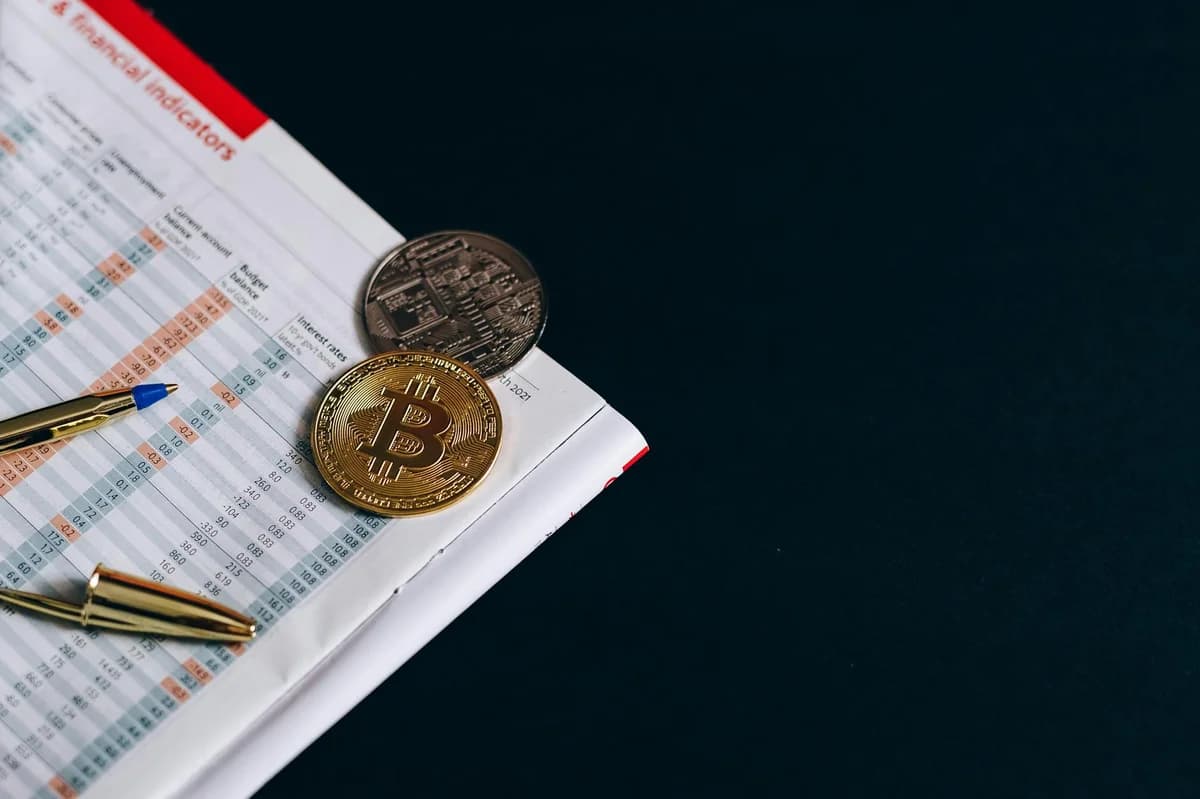
When central banks raise rates, the opportunity cost of holding non-yielding assets like Bitcoin increases. Why? Because risk-free yields from government bonds become more attractive. Interest rate decisions that push bond yields to competitive levels draw capital away from speculative assets. In a low-rate environment, the opposite happens — cash and bonds offer negligible returns, driving investors to seek higher returns in crypto.
Bold key point: The "hunt for yield" is a powerful motivator. During periods of near-zero interest rates, crypto markets experienced massive inflows. When rates rise sharply, that flow reverses. This shift is a direct result of interest rate decisions altering the relative attractiveness of traditional investments.
Stablecoins and DeFi: Effects of Interest Rate Decisions
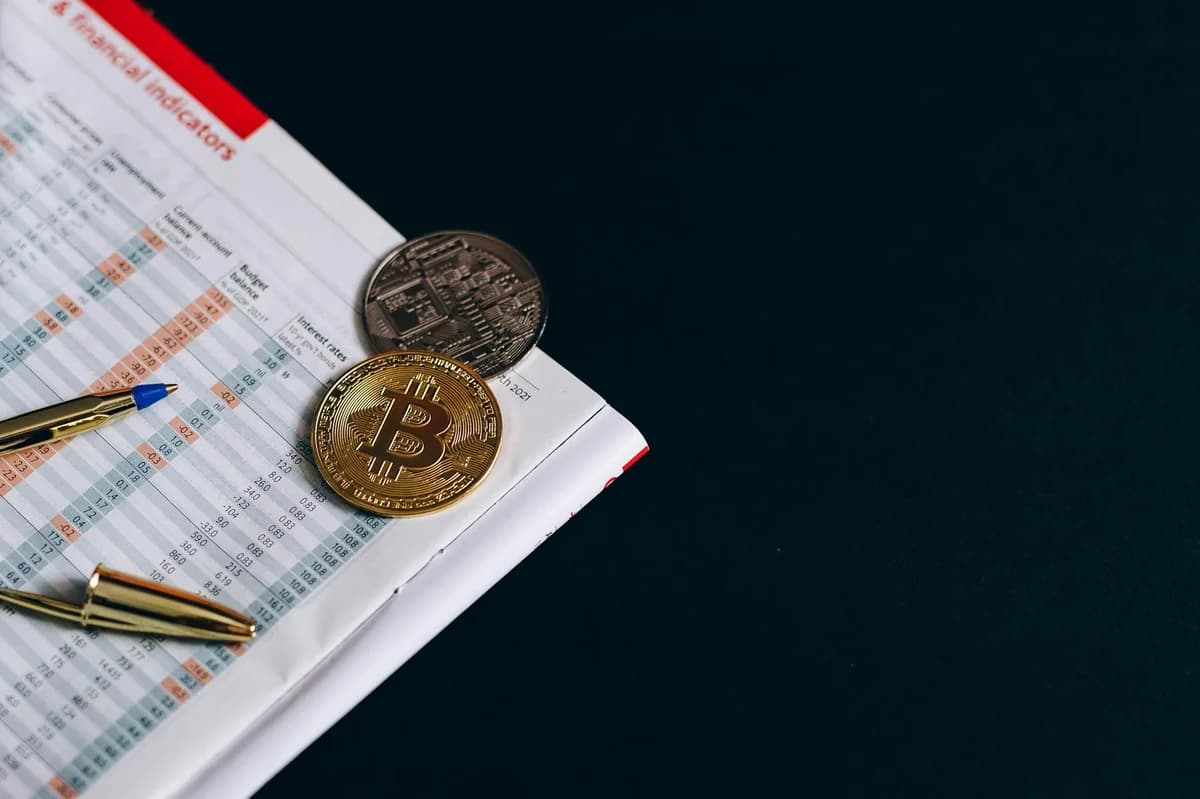
Stablecoins are often used as collateral in DeFi lending protocols. Interest rate decisions influence the yields these protocols can offer. Traditional savings accounts and money market funds become more competitive when rates rise. DeFi platforms must adjust their interest rate models to retain depositors.
| Factor | Low Rate Environment | High Rate Environment |
|---|---|---|
| Traditional savings yields | Very low | Attractive |
| DeFi lending demand | High (farmers seek yield) | Moderate (competition) |
| Stablecoin market cap growth | Increasing | Stalling or shrinking |
The table shows that interest rate decisions directly affect the relative appeal of DeFi. When traditional finance becomes more rewarding, some capital rotates out of crypto. Additionally, stablecoin issuers hold reserves in short-term Treasuries; a rate hike boosts their revenue but also makes those Treasuries more appealing to direct investors.
Investor Sentiment and Volatility Driven by Interest Rate Decisions
Beyond fundamentals, interest rate decisions shape market psychology. A surprise rate hike often triggers panic selling, while a dovish pause can spark rallies. Crypto is especially sensitive because it lacks the earnings reports and dividends that anchor stock valuations.
- Hawkish signals: The market expects tighter conditions. Prices drop as traders cut risk.
- Dovish signals: Rates stay low or are cut. Crypto often surges as "risk‑on" mode returns.
- Forward guidance: Central bank commentary about future rates can move markets more than the actual decision.
Volatility tends to spike around central bank meetings. Data shows that Bitcoin's price often moves sharply within hours of a rate announcement, especially when the decision deviates from expectations. This heightened sensitivity makes interest rate decisions a critical calendar event for crypto traders.
A Practical Example of Interest Rate Decisions in Action
Imagine a central bank raises its benchmark rate from a low level to a moderate level. Immediately, the cost of leveraging crypto positions rises. A trader who borrowed at a low rate to buy Ether now faces higher margin requirements. To avoid liquidation, they sell some holdings. Other traders anticipate this and sell preemptively. The selling pressure cascades.
Meanwhile, stablecoin issuers earn yield on reserves like Treasury bills. A rate hike increases their revenue, but it also makes T‑bills more attractive to investors directly. Some move funds from DeFi to traditional finance. The overall effect is reduced liquidity and lower crypto prices.
Interest rate decisions in this scenario create a chain reaction: higher borrowing costs → less leverage → more selling → lower market cap. The opposite happens when rates are cut — borrowing becomes cheaper, leverage expands, and fresh capital enters the market, often lifting prices.
Conclusion
Interest rate decisions are a fundamental driver for all financial markets, and crypto is no exception. By affecting liquidity, opportunity cost, DeFi dynamics, and investor sentiment, these decisions can trigger significant price movements. Beginners should monitor central bank calendars and understand that when rates go up, crypto markets often face headwinds; when they go down, tailwinds emerge. Staying informed about interest rate decisions is a key skill for any crypto investor.