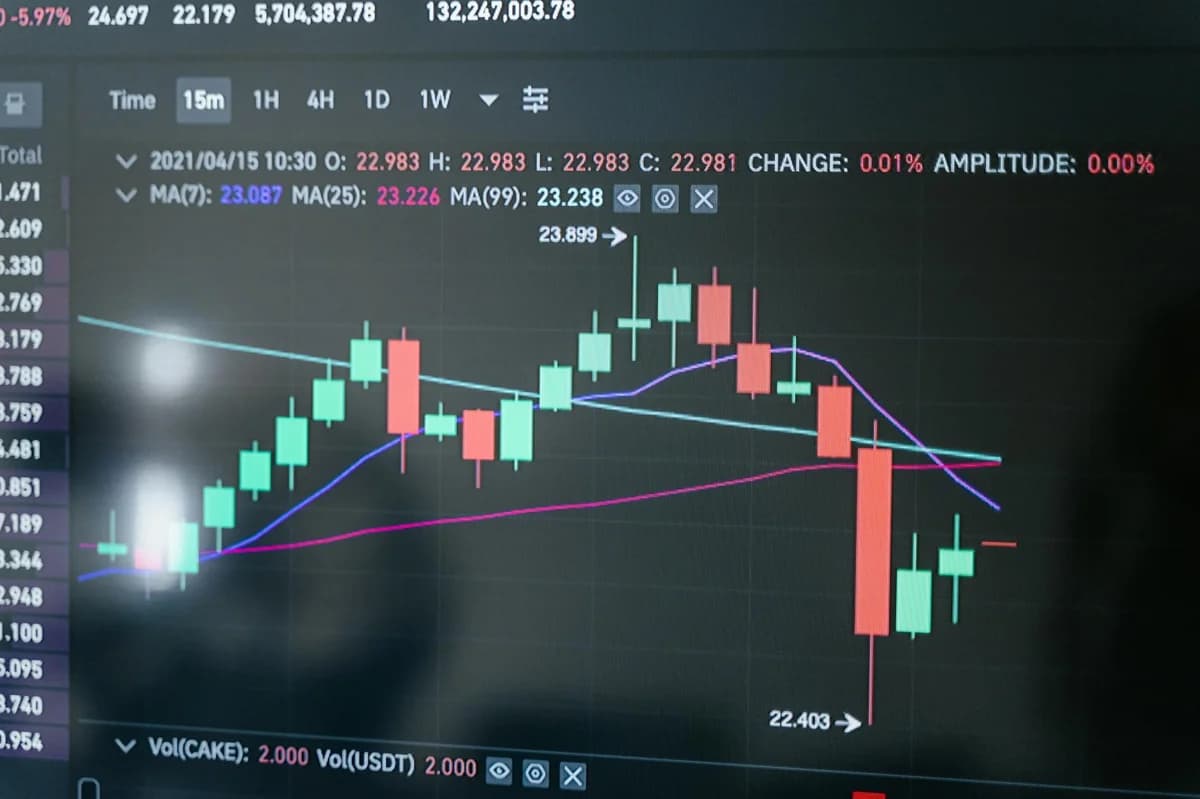
What Is a Short Squeeze in Crypto
Learn what a short squeeze in crypto is, how it works, and the key conditions that fuel it. Includes practical examples, risks, and pro tips for beginners.
What Is a Short Squeeze in Crypto
Short squeeze is a market phenomenon that occurs when traders who have bet against an asset are forced to buy it back at rapidly rising prices, creating a feedback loop that drives the price even higher. In crypto, where volatility is already extreme, short squeezes can produce dramatic price spikes in minutes or hours. Understanding how they work helps beginners avoid being caught on the wrong side of the trade and spot potential opportunities.
How a Short Squeeze Unfolds in Crypto
A short squeeze begins when a large number of traders open short positions — bets that the price of a cryptocurrency will fall. These traders borrow coins (often from an exchange or a lender) and sell them, hoping to repurchase them later at a lower price and pocket the difference. Their profit is capped at the price they sold minus zero, but their potential loss is unlimited if the price rises instead.
When something triggers buying pressure — for example, positive news, a large buy order, or a coordinated community effort — the price starts climbing. Short sellers, seeing their positions turn red, face a choice: add more collateral or cover (buy back the borrowed coins). Many choose to cover to limit losses. That covering itself involves buying, which pushes the price up further. More short sellers then get squeezed, and the cycle accelerates.
The role of leverage
Crypto exchanges offer high leverage — often 10×, 20×, or even 100×. A trader using 10× leverage only needs a 10% price move in the wrong direction to lose their entire collateral. During a squeeze, a price jump of 20-30% can trigger a cascade of liquidations, where the exchange automatically closes the short position. Automated liquidations add even more buying pressure, turning a small rally into a violent spike.
Key Conditions That Fuel a Short Squeeze
Not every price rise is a short squeeze. Several conditions must align for the phenomenon to occur:
- High short interest: A large percentage of the circulating supply is being shorted. This creates a powder keg.
- Low available supply: If few coins are available on exchanges for short sellers to borrow, covering becomes more difficult and expensive.
- Strong buying catalyst: A sudden surge in demand (positive news, influencer mention, coordinated buying) triggers the initial move.
- Overleveraged short positions: When shorts are stacked with high leverage, they are more sensitive to price moves and quickly liquidated.
| Condition | Effect on Squeeze Potential |
|---|---|
| High short interest | More potential buyers forced to cover |
| Low available supply | Harder to borrow; covering drives price higher |
| Strong catalyst | Ignites the initial upward move |
| Overleveraged shorts | Faster liquidations accelerate the squeeze |
Practical Example of a Crypto Short Squeeze
Consider a hypothetical small-cap token called XYZ. A large trader believes XYZ is overvalued and shorts 100,000 XYZ at $1.00. Other traders see the short and join, pushing total short interest to 30% of the token’s circulating supply.
Then a popular crypto influencer tweets about XYZ’s upcoming partnership. Buyers flood in, and the price jumps to $1.20. The first short seller is now down 20%. To avoid a bigger loss, they buy back 100,000 XYZ. That purchase pushes the price to $1.50. Other short sellers panic and cover. The price skyrockets to $2.50 before stabilizing. The original short seller lost more than double their initial investment because they covered at a higher price.
Meanwhile, traders who were long (betting on price increases) made massive gains — but only if they sold before the squeeze exhausted itself. Squeezes often reverse sharply when buying pressure fades and short sellers rebuild positions.
Risks of Chasing a Short Squeeze
New traders often see a soaring price and FOMO in, buying at the peak. The danger is that a short squeeze can reverse just as violently once most shorts have covered. The price may then drop back toward its fundamental value — leaving late buyers holding losses.
- You don't know when the buying will stop: Squeezes can end abruptly when all shorts are gone.
- Slippage and high fees: On a volatile network, transaction fees can become very expensive, and order slippage can eat into profits.
- Liquidation of longs: If you enter a long position with leverage right at the top, a quick reversal can liquidate you too.
💡 Pro Tip: Watch for funding rates on futures markets. A highly negative funding rate (where shorts pay longs) often signals extreme short positioning — a potential squeeze setup. But never trade based on this alone; always use stop-losses.
Short Squeeze vs. Long Squeeze
A short squeeze is often discussed, but the opposite — a long squeeze — also happens in crypto. When prices fall sharply, long traders with leveraged positions get liquidated, forcing them to sell and accelerating the drop. Both are forms of liquidation cascades.
| Feature | Short Squeeze | Long Squeeze |
|---|---|---|
| Price direction | Rapid upward | Rapid downward |
| Triggered by | Short sellers covering | Long holders liquidating |
| Buying/selling pressure | Sudden buying | Sudden selling |
| Typical aftermath | Sharp reversal down | Sharp reversal up (if fundamentals strong) |
Conclusion
Short squeeze in crypto is a powerful force that can multiply gains for prepared traders and decimate those caught on the wrong side. It arises when heavily shorted assets experience a sudden price surge, forcing shorts to cover and amplifying the move. Beginners should study the conditions — high short interest, low supply, and leveraged positions — and avoid chasing spikes blindly. By understanding what a short squeeze is, you can better navigate crypto’s volatile markets and protect your portfolio from unexpected explosions.