Crypto Exchange Hacked: What Happens to Your Funds?
Learn what happens when a crypto exchange gets hacked, including real examples like Mt. Gox and Binance, and discover steps to safeguard your assets from future breaches.
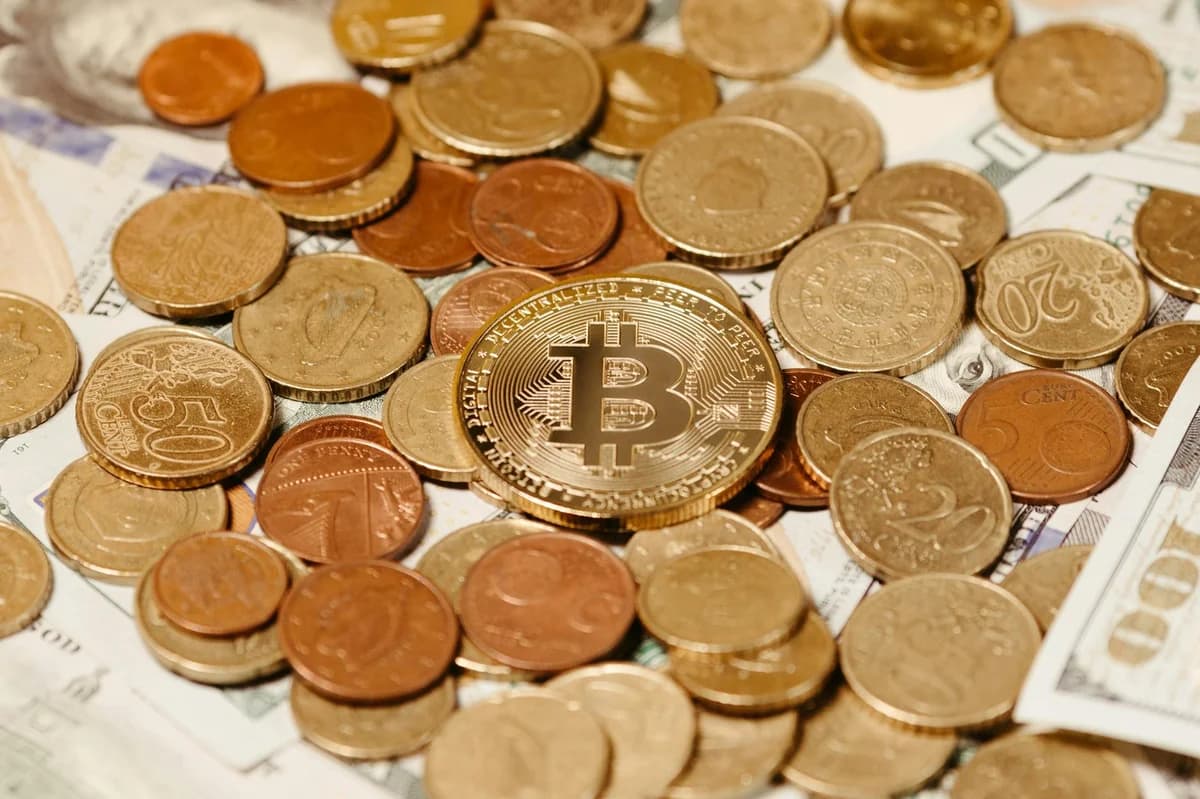
Crypto Exchange Hacked: What Happens to Your Funds?
Crypto exchange hacks are security breaches where attackers exploit weaknesses in a trading platform’s systems to steal digital assets or sensitive user data. These incidents can shake confidence in the cryptocurrency ecosystem and leave traders wondering about the safety of their holdings. This article explains what typically happens during and after such an event, using real-world examples to help beginners understand the risks and responses.
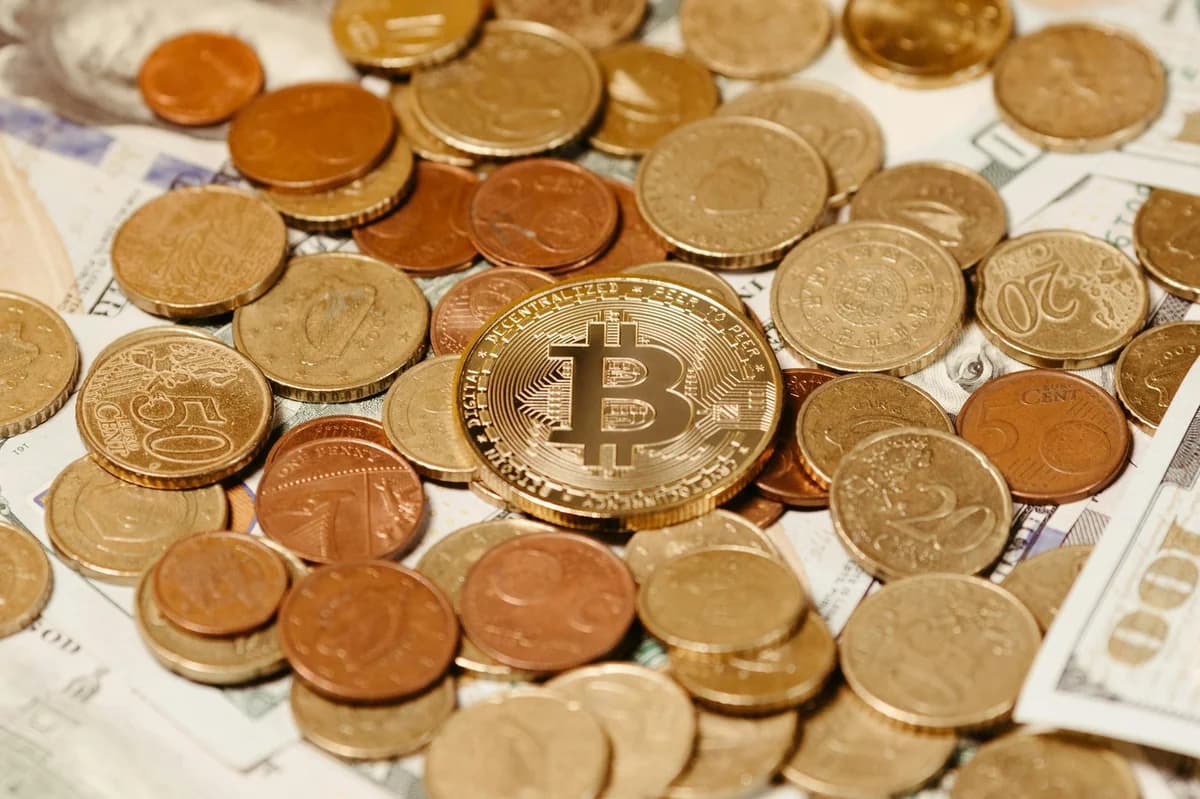
How a Crypto Exchange Hack Usually Unfolds
Attackers target exchanges because these platforms hold large pools of user funds in hot wallets — wallets connected to the internet for quick trades. Common methods include:
- Phishing attacks that trick employees into revealing login credentials
- Exploiting smart contract bugs in the exchange’s software
- Social engineering to bypass internal security protocols
- Compromising private keys stored on vulnerable servers
For example, the Mt. Gox hack (2014) resulted in the loss of hundreds of thousands of Bitcoin after attackers gained access to the exchange’s hot wallet and manipulated transaction records. The platform was processing huge trading volumes daily, making it a prime target.
💡 Pro Tip: Always check whether an exchange has published proof of reserves by a reputable third-party auditor. This transparency makes it harder for the platform to hide missing funds after an attack.
What Happens Immediately After a Crypto Exchange Hack
Once a breach is detected, the exchange’s security team typically freezes all withdrawals, stops trading, and takes the site offline for investigation. The company then:
- Publishes a preliminary statement confirming the incident and its estimated scale
- Notifies law enforcement and cybersecurity firms to trace the stolen assets
- Begins internal forensics to understand how the attackers entered
During the Binance hack of 2019, hackers stole thousands of Bitcoin from the exchange’s hot wallet. Binance halted all deposits and withdrawals for a week, conducted a security review, and ultimately covered the losses using its Secure Asset Fund for Users (SAFU) — an emergency insurance pool funded by a small percentage of trading fees.
How User Funds Are Affected After the Breach
The outcome for users depends heavily on the exchange’s financial health and policies. The table below outlines possible scenarios:
| Exchange’s Situation | Likely Outcome for Users |
|---|---|
| Has a reserve fund (e.g., SAFU) | All or most user funds are restored; business continues |
| Holds sufficient operating capital | Users are repaid from company assets, though delays occur |
| Has no insurance and minimal reserves | Users face proportional losses or a complete loss of funds |
| Declares insolvency | A legal process begins; users become creditors and may recover only a fraction |
For instance, after the Coincheck hack (2018), the Japanese exchange used its own capital to refund all affected customers in fiat currency, thanks to a government mandate. In contrast, the QuadrigaCX collapse (2019) revealed that most user assets were missing, and many investors never recovered their money.
Protecting Yourself From a Future Crypto Exchange Hack
While no platform is 100% secure, you can reduce your risk by following these practices:
- Withdraw funds to a cold wallet (hardware or paper wallet) after completing trades — keeping only a small trading balance on the exchange
- Enable two-factor authentication (2FA) using an authenticator app instead of SMS
- Use exchanges that prioritize transparency, such as those with regular security audits and proof-of-reserves reports
- Spread your assets across multiple platforms so a single hack doesn’t wipe out your entire portfolio
A cold wallet is a device or document that stores private keys offline. For example, a popular hardware wallet from Ledger or Trezor can hold your cryptocurrency safely, even if the exchange where you bought it gets compromised.
Lessons Learned From Major Crypto Exchange Hacks
Past incidents have driven significant improvements in exchange security. After the Mt. Gox hack, the industry began adopting multi-signature wallets, better key management, and mandatory third-party audits. In Japan, the Coincheck hack led the Financial Services Agency (FSA) to introduce stricter licensing requirements for exchanges.
Regulators in many countries now require exchanges to hold adequate capital reserves and submit to regular inspections. Additionally, the concept of self-custody — where users control their own private keys — has gained traction, reducing the reliance on centralized platforms.
Conclusion
A crypto exchange hack is a stressful event that can result in temporary freezes, partial losses, or even total loss of funds, depending on the exchange’s preparedness. While the industry has become more resilient through insurance funds and better security practices, the safest approach is to minimize the amount you leave on any exchange. By understanding what happens during a hack and taking proactive measures, you can protect your digital assets and trade with greater confidence.