How Institutional Investors Access Bitcoin
Learn how institutional investors access Bitcoin through regulated ETFs, OTC desks, qualified custodians, and derivatives. A beginner-friendly guide with practical examples.
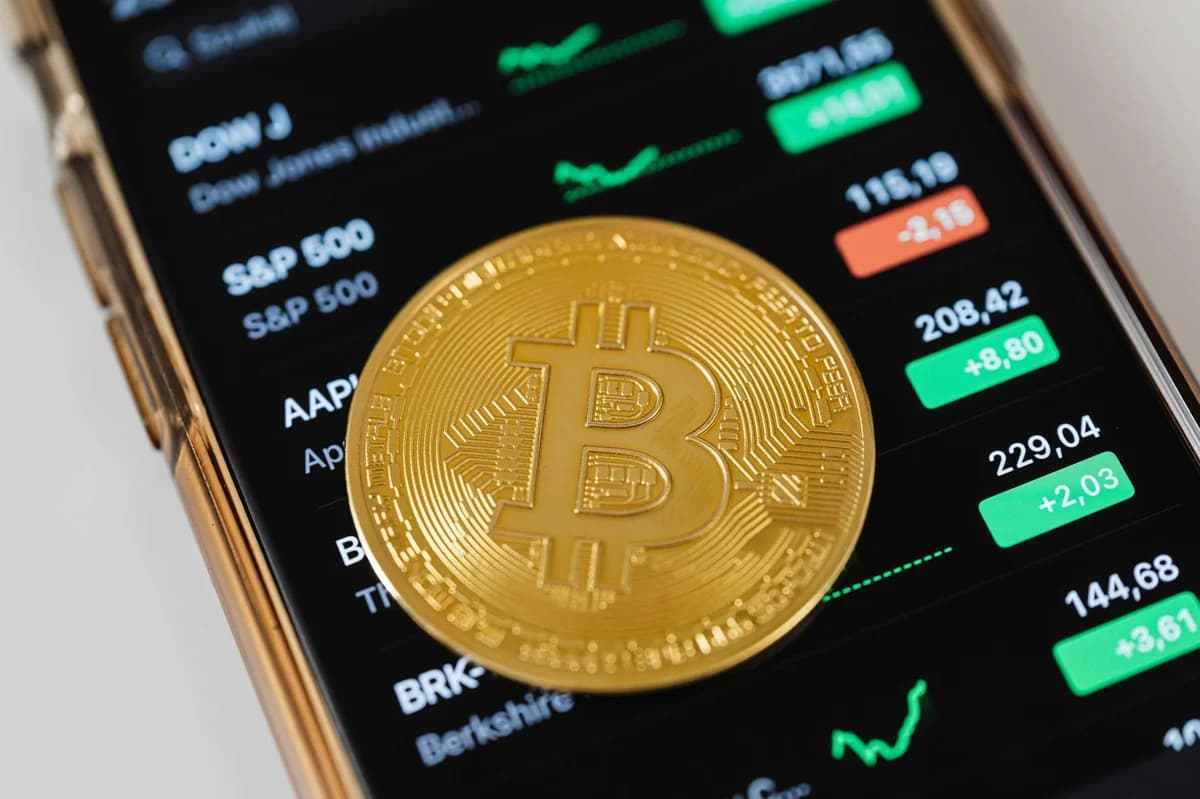
How Institutional Investors Access Bitcoin
How institutional investors access Bitcoin has transformed from a niche inquiry into a mainstream financial consideration. In just a few years, banks, pension funds, and endowments have moved from skepticism to active allocation, driven by client demand and a growing belief in Bitcoin’s role as a non-correlated asset. This article explains the practical pathways institutions use today—from regulated funds and over‑the‑counter desks to custody solutions and derivatives—so beginners can understand the infrastructure behind the headlines.
Understanding Institutional Access to Bitcoin
Before 2021, most institutions faced legal and operational hurdles when trying to buy Bitcoin. The primary challenges were regulatory uncertainty, lack of reliable custody, and insufficient liquidity for large trades. Today, a mature ecosystem of service providers addresses each of these issues.
Institutions typically seek exposure for three reasons:
- Portfolio diversification: Bitcoin’s low historical correlation with stocks and bonds can improve risk-adjusted returns.
- Hedge against monetary debasement: Some view Bitcoin as a digital store of value similar to gold.
- Client demand: Asset managers like Fidelity and BlackRock launched Bitcoin products because their clients asked for them.
To enter the market, an institution must choose between indirect exposure (buying fund shares) and direct holding (owning the actual Bitcoin). Each option comes with different trade‑offs in cost, control, and regulatory compliance.
Regulated Bitcoin Investment Vehicles for Institutions
The most common way institutions gain exposure without handling private keys is through regulated investment vehicles that trade on traditional exchanges or over‑the‑counter.
| Vehicle | How It Works | Key Feature |
|---|---|---|
| Spot Bitcoin ETF | Buys and holds actual Bitcoin; shares trade on stock exchanges. Enables creation/redemption with authorized participants. | Tracks spot price closely; low tracking error. |
| Bitcoin Futures ETF | Invests in Bitcoin futures contracts (e.g., CME futures) rather than the underlying asset. Subject to contango/backwardation. | Regulated under the 1940 Act; may have higher fees due to roll costs. |
| Bitcoin Trust (e.g., GBTC) | Holds Bitcoin in a closed‑end structure. Shares trade at a premium or discount to net asset value (NAV). | No creation/redemption mechanism; can trade far from NAV. |
Bold terms to remember: spot ETF, futures ETF, and premium/discount. For example, the first U.S. spot Bitcoin ETF launched in 2024 and saw billions in inflows within months. Institutions prefer these vehicles because they offer SEC‑regulated exposure and can be held inside 401(k) plans or IRAs.
Direct Bitcoin Purchases via OTC Desks
When an institution wants to take direct custody of Bitcoin—for example, to hold it as a treasury reserve—it usually buys via over‑the‑counter (OTC) desks. Unlike retail exchanges where a large order can move the market, OTC desks match buyers and sellers privately.
- Price stability: Orders of $10 million or more execute at a single agreed price, avoiding slippage.
- Privacy: The counterparty details are not broadcast on a public order book.
- Speed: Large trades settle within hours, not days.
- Counterparty choice: Institutions can vet OTC providers for reputation and regulatory standing.
A practical example: a university endowment decides to allocate 2% of its portfolio to Bitcoin. It contacts an OTC desk like Genesis or Cumberland (both regulated). The desk quotes a price based on the current spot rate plus a small spread. The endowment transfers fiat, the desk delivers Bitcoin to a qualified custodian wallet, and the trade is done. No public blockchain track record of the trade is easily linked to the buyer.
Custody Solutions Secure Institutional Bitcoin Access
Holding Bitcoin directly requires addressing the “how to store it” question. Institutions rarely manage private keys themselves; they rely on qualified custodians that meet regulatory standards.
The main custody options include:
- Self‑custody with multi‑signature – The institution controls keys but requires multiple approvals to move funds. Rare for large funds due to operational risk.
- Third‑party qualified custodians – Firms like Coinbase Custody, Fidelity Digital Assets, and BitGo hold the private keys in cold storage (offline) and comply with audits.
- Bank‑based custody – Banks such as BNY Mellon now offer digital asset custody services, relying on sub‑custodians or their own infrastructure.
Bold: qualified custodians are required by regulators in many jurisdictions to prevent commingling of client assets. For example, a pension fund using a qualified custodian receives a segregated wallet and periodic attestation reports. Insurance coverage (often in the range of billions of dollars) further protects against theft or loss.
The Role of Derivatives in Institutional Bitcoin Exposure
Some institutions do not want to hold the underlying Bitcoin at all. They prefer derivatives—contracts whose value derives from Bitcoin’s price—to gain exposure without the burden of custody or direct ownership.
The main instruments are:
- CME Bitcoin Futures: Cash‑settled or physically delivered contracts traded on the Chicago Mercantile Exchange. Regulated by the CFTC.
- Bitcoin Options: Puts and calls listed on CME or over‑the‑counter. Used for hedging or income generation.
- Bitcoin Swaps: Privately negotiated agreements between two parties to exchange cash flows based on Bitcoin’s price.
| Type | Physical Delivery? | Regulator | Typical Use Case |
|---|---|---|---|
| CME Futures (cash) | No – settled in USD | CFTC | Betting on price direction |
| CME Futures (physically delivered) | Yes – delivers Bitcoin | CFTC | Actual Bitcoin receipt without OTC |
| Options | No – cash or physical at expiry | CFTC / SEC | Hedging a long position |
A hedge fund might sell call options on its Bitcoin holdings to generate extra yield, while a bank’s trading desk might arbitrage the futures basis. These instruments add leverage and flexibility but also require sophisticated risk management.
Conclusion
How institutional investors access Bitcoin continues to evolve as regulation matures and new products launch. Whether through spot ETFs, OTC desks, qualified custodians, or futures contracts, institutions now have multiple secure, compliant paths to add Bitcoin to their portfolios. The key takeaway for beginners is that the infrastructure behind these trades is far more complex than buying on a retail app—but it is precisely this professionalism that has made Bitcoin a mainstream institutional asset.