Crypto Comparisons: BTC, ETH, Wallets & Exchanges
This beginner crypto comparison guide explains Bitcoin vs Ethereum, CEX vs DEX, hot vs cold wallets, and Solana vs Ethereum with key practical examples to help you choose.
Crypto Comparisons: BTC, ETH, Wallets & Exchanges
Crypto comparisons are essential for beginners to understand the differences between digital assets, platforms, and storage methods. This guide breaks down four fundamental comparisons: Bitcoin vs Ethereum, centralized vs decentralized exchanges, hot vs cold wallets, and Solana vs Ethereum. By the end, you'll have a clear framework to make informed decisions in the crypto space.
Bitcoin vs Ethereum: A Foundational Crypto Comparison
Bitcoin was created as decentralized digital money — a peer-to-peer system for transferring value without banks. Its primary goal is to be a store of value and medium of exchange. Ethereum, on the other hand, is a programmable blockchain that runs smart contracts, enabling decentralized applications (dApps), DeFi protocols, and NFTs.
- Purpose: Bitcoin focuses on sound money; Ethereum focuses on a global computing platform.
- Consensus: Bitcoin uses proof of work (PoW); Ethereum uses proof of stake (PoS) after its merge.
- Supply: Bitcoin has a fixed maximum supply; Ethereum’s supply is slightly inflationary but can become deflationary with fee burning.
Practical example: If you want to send value across borders securely, think of Bitcoin as digital gold. If you want to borrow, lend, or trade tokens without a middleman, Ethereum is the platform where those activities happen.
CEX vs DEX: A Key Crypto Comparison
Centralized exchanges (CEX) like Coinbase or Binance act as intermediaries. They hold your funds, require identity verification (KYC), and offer high liquidity. Decentralized exchanges (DEX) like Uniswap or PancakeSwap let you trade directly from your wallet using automated market makers — no registration or custody required.
| Feature | CEX | DEX |
|---|---|---|
| Control over funds | Exchange holds them | You keep full control |
| Privacy | Requires KYC | No personal info needed |
| Security | Risk of exchange hacks | No central point of failure |
| Ease of use | Very beginner-friendly | Requires wallet setup |
| Fees | Typically low maker/taker fees | Gas fees plus a small protocol fee |
- For beginners: Start with a CEX to buy your first coins — it's like using an online bank.
- For experienced users: Use a DEX for privacy and self-custody, but be ready to manage your own private keys.
Hot and Cold Wallets: A Crypto Comparison for Security
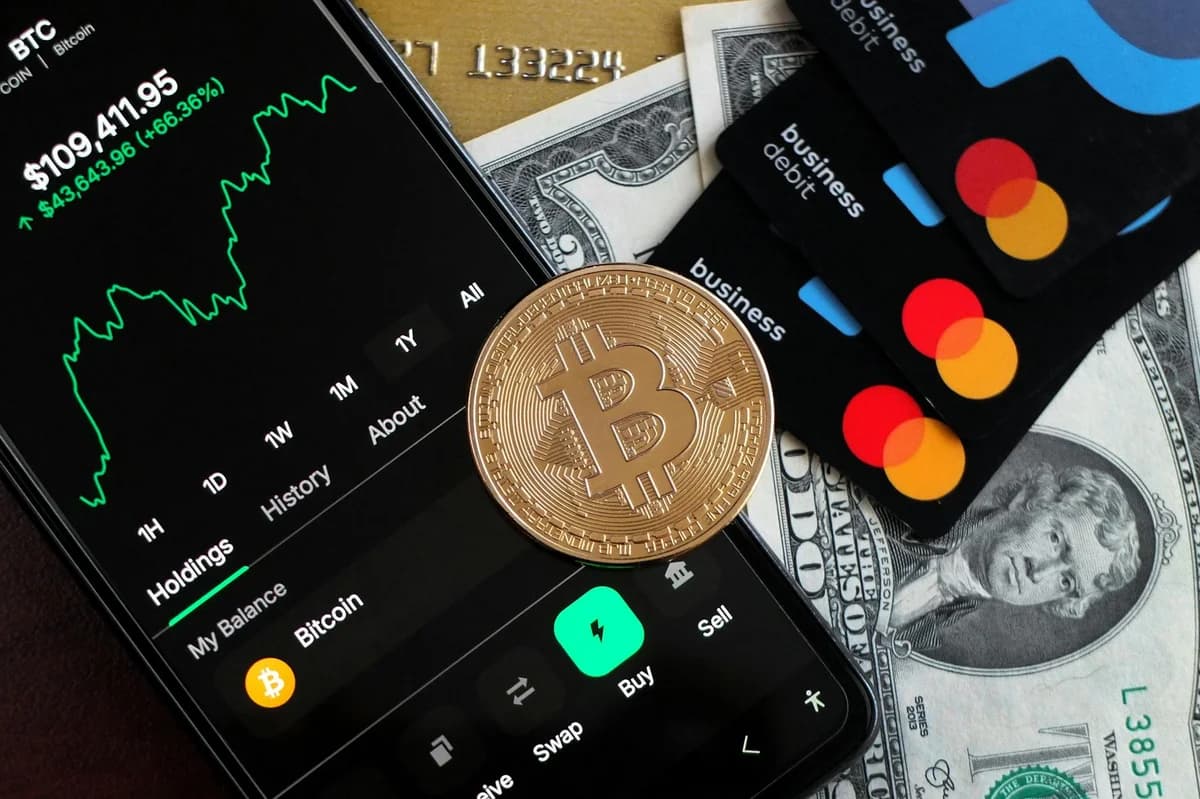
A hot wallet is connected to the internet — software or mobile apps like MetaMask or Trust Wallet. They are convenient for daily transactions but vulnerable to hacking. A cold wallet is offline — hardware devices like Ledger or Trezor, or even paper wallets. They offer maximum security at the cost of convenience.
| Feature | Hot Wallet | Cold Wallet |
|---|---|---|
| Connectivity | Always online | Offline |
| Security | Lower (prone to malware) | Very high |
| Convenience | Quick access | Requires physical device |
| Cost | Free (software) | One-time purchase fee |
| Best for | Small, active funds | Long-term holdings |
Practical example: Think of your crypto stash like 10 cans of soda. A hot wallet is your kitchen fridge — convenient but vulnerable. A cold wallet is a bank safe deposit box — highly secure but less accessible.
💡 Pro Tip: For any amount you're not actively trading, move it to a cold wallet. Hackers target hot wallets constantly. A simple rule: "Not your keys, not your coins."
Solana vs Ethereum: A Crypto Comparison of Two Blockchains
Ethereum is the most established smart contract platform with the largest ecosystem of dApps, liquidity, and developer activity. However, during network congestion, transaction fees can become very expensive. Solana was designed for high throughput using a combination of proof of stake and proof of history, enabling extremely low fees and fast finality — but it has experienced occasional network outages.
- Speed: Solana processes thousands of transactions per second; Ethereum processes about 15–30, but scaling solutions like layer-2 are improving it.
- Fees: Solana fees are fractions of a cent; Ethereum fees can spike dramatically under load.
- Ecosystem: Ethereum hosts the majority of DeFi and NFT projects; Solana is growing rapidly but has a smaller, younger ecosystem.
- Reliability: Ethereum has a longer track record of uptime; Solana has suffered downtime incidents.
Practical example: If you want to mint a cheap NFT in seconds, Solana is a great choice. If you need access to the widest range of DeFi protocols and are willing to pay higher fees during peak times, Ethereum remains the default option.
Conclusion: Navigating Crypto Comparisons as a Beginner
Crypto comparisons like these give you the foundation to evaluate any digital asset, platform, or tool. Start with a simple approach: buy on a CEX using fiat, store most of your holdings in a cold wallet, and experiment with small amounts on DEXs or alternative blockchains. As you gain experience, revisit these crypto comparisons — they will help you adapt to the fast-changing landscape.