Crypto Fundamentals: Bitcoin, DeFi, NFTs & More
Learn crypto fundamentals: Bitcoin, Ethereum, DeFi, NFTs, staking, gas fees, private keys, seed phrases, Layer 2 & yield farming with clear examples for beginners.

Crypto Fundamentals: Bitcoin, DeFi, NFTs & More
Crypto fundamentals are the core building blocks that power Bitcoin, Ethereum, DeFi, NFTs, and other blockchain innovations. Understanding these concepts helps beginners navigate the crypto space with confidence and avoid common pitfalls. This guide breaks down each essential term with clear explanations and practical examples.
Bitcoin and Ethereum as Crypto Fundamentals
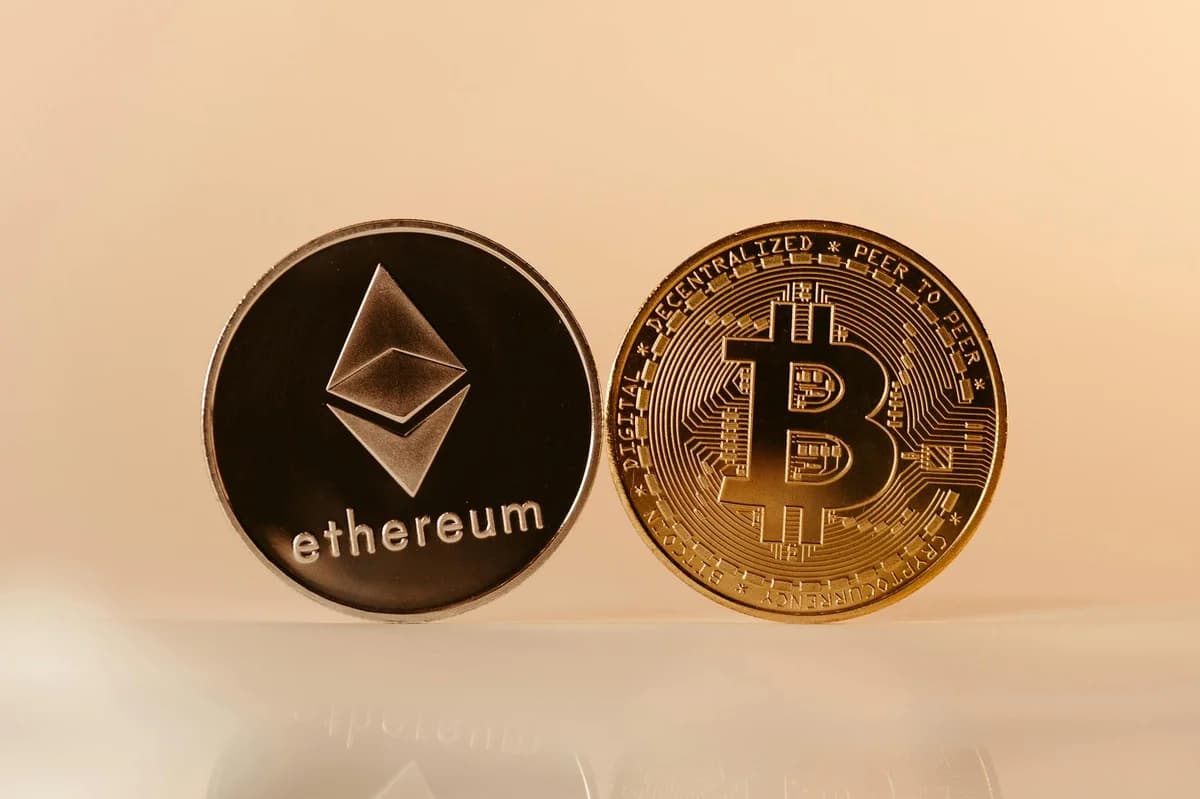
Bitcoin is a decentralized digital currency that allows peer‑to‑peer transfers without a bank or middleman. Created in 2009, it uses a public ledger called the blockchain to record transactions. For example, if Alice sends 0.1 Bitcoin to Bob, the transaction is verified by network participants (miners) and added to a block. Once confirmed, Bob owns that Bitcoin and can spend it elsewhere.
Ethereum extends Bitcoin’s idea by enabling programmable contracts called smart contracts. These are self‑executing agreements that run exactly as coded. A practical example is an escrow service: a buyer and seller deposit funds into a smart contract. When the buyer confirms receipt of goods, the contract automatically releases payment to the seller. Ethereum’s native token, Ether, pays for the computational work needed to run these contracts.
Understanding DeFi: A Crypto Fundamental for Lending and Trading
DeFi is a system of financial applications built on blockchains like Ethereum that operate without traditional banks. Instead of a central authority, DeFi uses smart contracts to lend, borrow, trade, and earn interest. For instance, a user can deposit stablecoins into a lending protocol such as Aave and earn a return higher than a typical savings account. Another user can borrow those same stablecoins by putting up collateral of their own crypto, with the smart contract automatically managing interest rates and liquidation risk.
DeFi also empowers decentralized exchanges (DEXs) like Uniswap, where users swap tokens directly from their wallets. There is no order book; instead, a liquidity pool holds two tokens, and the price is set by a mathematical formula. This removes the need for a central exchange to match buyers and sellers.
Private Keys and Seed Phrases: Core Crypto Fundamentals
Private keys are long, secret strings of characters that grant access to your cryptocurrency holdings. Think of them as the password to your bank account – anyone who knows the private key can move the funds. Every crypto wallet generates one private key per account. Losing it means losing access permanently.
A seed phrase (also called a recovery phrase) is a human‑readable backup of all private keys in a wallet. It typically consists of 12 or 24 random words. For example, a wallet might give you the phrase "abandon ability able about above absent absorb abstract absurd abuse access accident". If your device breaks, you can restore your entire wallet on a new device by entering these words in the correct order. Never share your seed phrase – write it down on paper and store it in a safe place.
Gas Fees: An Important Crypto Fundamental You Pay for Transactions
Gas fees are small payments made to network validators or miners for processing a transaction or executing a smart contract. On Ethereum, gas is measured in units called "gwei" (a tiny fraction of an Ether). The fee depends on how busy the network is – during high demand, users pay more to have their transactions processed quickly. A practical example: sending a token to a friend might cost a small fee during quiet periods but can become very expensive when many people are using the same network.
Different blockchains have different fee structures. Bitcoin’s fee is based on transaction size in bytes, while Ethereum’s fee is based on computational complexity. Layer 2 solutions (covered next) help reduce these costs.
Layer 2 Scaling: An Advanced Crypto Fundamental for Speed and Low Fees
Layer 2 is a technology built on top of a blockchain (the base layer, or Layer 1) to handle transactions more efficiently. Instead of processing every transaction on the main chain, Layer 2 bundles many transactions together and submits a single summary to Layer 1. This drastically reduces fees and increases speed. For example, an Ethereum Layer 2 called Optimism allows users to swap tokens or lend crypto while paying gas fees that are a fraction of what they would be on Ethereum’s main network.
A common analogy is a busy restaurant: customers place orders at a takeout window (Layer 2) instead of waiting for a table inside (Layer 1). The kitchen still receives the order, but only the summary of all orders is recorded.
Staking and Yield Farming: Earning in Crypto Fundamentals
Staking is the process of locking up a cryptocurrency (often a proof‑of‑stake coin like Ethereum after its transition to proof‑of‑stake) to help validate transactions on the network. In return, stakers earn rewards in the form of new coins. For example, a user who stakes 32 Ether can run a validator node and earn rewards paid in Ether for honest participation. Smaller holders can delegate their stake to a pool and share the rewards.
Yield farming takes earning further by actively moving funds between different DeFi protocols to maximize returns. A typical strategy involves depositing a pair of assets (like USDC and ETH) into a liquidity pool on a DEX. The farmer receives liquidity provider tokens, which they can then stake in another protocol to earn additional tokens. For example, a farmer might earn trading fees from the DEX as well as extra reward tokens from a separate platform. This can offer higher returns than simply holding crypto, but also carries risks like impermanent loss (the value of the deposited assets changes relative to each other).
NFTs: Unique Digital Assets in the Crypto Fundamentals
NFTs (non‑fungible tokens) are digital certificates of ownership for a unique item – artwork, music, collectibles, or even virtual real estate. Unlike cryptocurrencies such as Bitcoin (which are fungible, meaning one Bitcoin is identical to another), each NFT is one of a kind. A practical example: an artist mints an NFT of a digital painting on the Ethereum blockchain. The NFT contains a link to the artwork and a record of the current owner. When a collector buys it, the smart contract transfers the NFT to the collector’s wallet. The ownership history is permanent and public. NFTs can also include royalties, so the artist earns a percentage every time the NFT is resold.
Conclusion
Crypto fundamentals like Bitcoin, Ethereum, DeFi, NFTs, staking, gas fees, private keys, seed phrases, Layer 2, and yield farming form the essential knowledge for anyone entering the space. Each concept builds on the next – from storing your own keys to earning passive income through staking or yield farming. Mastering these fundamentals empowers you to participate in the decentralized economy with awareness and security.