Dollar-Cost Averaging in Crypto: A Beginner's Guide
Learn what dollar-cost averaging (DCA) is and how to use it in crypto investing. Step-by-step example, comparison to lump-sum, and common mistakes to avoid for beginners.
Dollar-Cost Averaging in Crypto: A Beginner's Guide
Dollar-cost averaging (DCA) is an investment strategy that involves dividing a total amount of fiat or crypto into equal parts and buying at regular intervals. Instead of trying to time the market, you commit to making purchases regardless of price. This approach can help reduce the impact of volatility and remove emotional decision-making from your crypto investing.
How Dollar-Cost Averaging Works in Crypto
At its core, dollar-cost averaging means investing a fixed amount of money into a cryptocurrency (or a basket of cryptocurrencies) on a consistent schedule — for example, every Monday or on the 1st and 15th of each month. When prices are low, your fixed amount buys more units; when prices are high, it buys fewer units. Over time, this can lower your average cost per unit compared to buying all at once at a single price point.
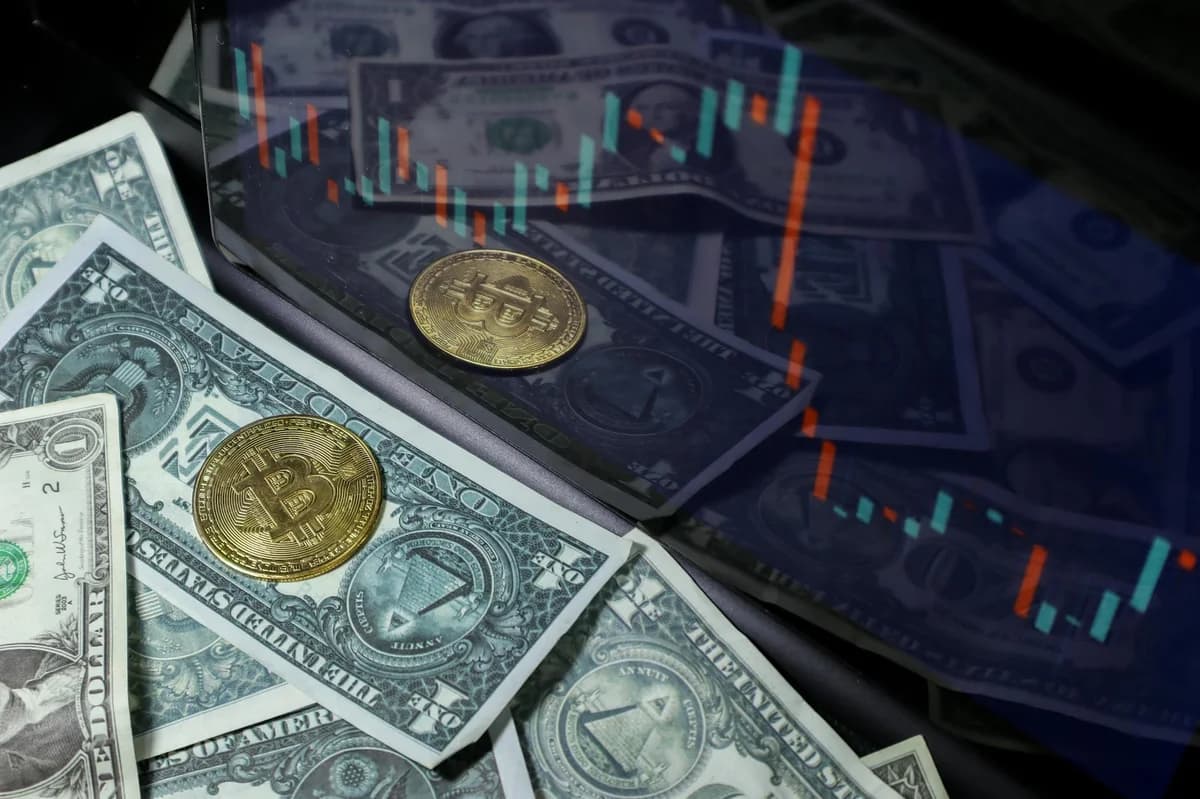
The strategy is especially relevant in crypto because digital asset markets are notoriously volatile. Prices can swing by double-digit percentages in a single day. DCA turns this volatility into a potential advantage — instead of fearing a drop, you welcome it as an opportunity to accumulate more coins at a discount.
The Psychology Behind DCA
One of the biggest challenges for new investors is emotional discipline. FOMO (fear of missing out) pushes people to buy at peaks, while panic selling happens during crashes. DCA removes the need to make timing decisions. You set your schedule and stick to it, ignoring short-term market noise. This mechanical approach helps you stay invested through both bull and bear markets.
Why Dollar-Cost Averaging Is Popular Among Crypto Beginners
Newcomers to crypto often feel overwhelmed by price charts and technical analysis. Dollar-cost averaging offers a simple, low-stress entry point. Here’s why it appeals to beginners:
- No timing skill required: You don’t need to predict whether Bitcoin will go up or down tomorrow.
- Reduces risk of buying at the top: Spreading purchases across many days or months smoothes out entry points.
- Encourages consistent saving: Treating crypto investments like a recurring bill builds a saving habit.
- Works with small amounts: You can start with any amount — even the equivalent of one can of soda per week.
Many crypto exchanges now offer automated DCA features, making it easy to set up recurring buys without manual effort.
Practical Example of Dollar-Cost Averaging
Imagine you want to invest in Ethereum over one month. Instead of spending all your budget on Day 1, you decide to buy the same fixed amount each day for 30 days.
| Day 1 | Day 15 | Day 30 | |
|---|---|---|---|
| Price per ETH | High | Medium | Low |
| Units bought | Few | Average | Many |
By the end of the month, your average cost is lower than the Day 1 price because you accumulated more units when the price was lower. If the price is higher on Day 30 than your average cost, you are already in profit. If it is lower, you have more units ready to benefit from future recoveries.
Note: This example uses relative terms (“High”, “Medium”, “Low”) to avoid putting a specific dollar figure. The principle holds regardless of actual prices.
Dollar-Cost Averaging vs. Lump-Sum Investing in Crypto
The alternative to DCA is lump-sum investing — buying a large amount all at once. Each approach has merits, but they suit different situations.
| Aspect | Dollar-Cost Averaging | Lump-Sum |
|---|---|---|
| Best for | Beginners, low-tolerance investors, volatile markets | Experienced investors with high conviction, strong uptrends |
| Risk | Lower – avoids buying all at a peak | Higher – entire capital exposed to one price point |
| Returns | Historically lower in strong bull markets | Historically higher in sustained bull markets |
| Emotional load | Low – automated, no decisions | High – requires courage to buy a single big position |
Bottom line: DCA is a risk-management tool, not a return-maximization strategy. If you believe a crypto asset will rise over the long term but fear short-term drops, DCA offers peace of mind. Lump-sum investing can outperform in a clean uptrend, but it also carries the risk of buying right before a major correction.
Tools and Platforms for Automated Dollar-Cost Averaging
Most major crypto exchanges and apps now support automated recurring buys. Here are common ways to implement dollar-cost averaging in crypto:
- Exchange recurring buy features: Platforms like Coinbase, Binance, Kraken, and Gemini let you set up daily, weekly, or monthly purchases.
- DCA-focused services: Some third-party apps (e.g., Swan Bitcoin for Bitcoin) are built specifically around DCA.
- DeFi protocols: On-chain strategies exist where you set future limit orders at regular intervals using smart contracts, though these often involve gas fees smaller than manual trades.
When choosing a tool, consider:
- Fees: Some platforms charge a small fee per trade; look for ones with low or zero fees on recurring buys.
- Custody: Decide whether you want the exchange to hold your coins (custodial) or have them sent directly to your own wallet (non-custodial).
- Flexibility: Can you pause or adjust the amount without penalties?
For beginners, a custodial exchange with automated buys is the simplest starting point. Once you have a meaningful amount, consider moving coins to a personal wallet for security.
Common Mistakes to Avoid with Dollar-Cost Averaging
Even a simple strategy like DCA can be undermined by common errors. Watch out for these pitfalls:
- Stopping during a crash: The whole point of DCA is to buy more when prices are low. Selling or pausing your plan during a bear market defeats its purpose.
- Ignoring fees: If each recurring purchase incurs a fee, the total cost can eat into returns. Use platforms that offer zero-fee recurring buys or batch purchases.
- Choosing the wrong interval: Daily buys can generate many tiny transactions (and fees), while monthly buys may miss intra-week dips. A weekly interval is often a good balance.
- DCA into low-quality projects: The strategy works best with established, liquid assets (like Bitcoin or Ethereum). Obscure altcoins with low volume can have extreme spreads that undermine the benefit.
Pro tip: Treat your DCA plan like a bill you cannot skip. Set an automatic transfer from your bank account to your exchange, then configure the recurring buy. This removes the temptation to pause or adjust.
Conclusion
Dollar-cost averaging is a time-tested strategy that helps crypto investors navigate volatility without needing to time the market. By purchasing fixed amounts on a regular schedule, you reduce emotional stress, lower your average cost over time, and build a disciplined investment habit. While it may not produce the highest returns in a straight-up rally, DCA offers a reliable path for beginners and risk-averse investors to accumulate crypto assets steadily. Start small, stay consistent, and let time work for you.