What Is Dollar-Cost Averaging (DCA) in Crypto
Learn how dollar-cost averaging in crypto helps you invest regularly, avoid timing stress, and lower average purchase costs. A simple strategy for beginners to build long-term holdings.
What Is Dollar-Cost Averaging (DCA) in Crypto
Dollar-cost averaging is an investment strategy where you regularly invest a fixed amount of money into an asset, regardless of its price. Instead of trying to time the market, you spread your purchases over time to reduce the impact of volatility. This approach is especially popular among crypto beginners who want a disciplined, low-stress way to build a long-term portfolio.
Why Dollar-Cost Averaging Suits Crypto Beginners
Crypto markets are known for extreme price swings — a coin can double or halve in weeks. Dollar-cost averaging smooths out these bumps because you buy at many different price points. Over time, your average purchase price may be lower than the peak prices you would have paid if you invested a lump sum at a high.
- Reduces emotional stress – You don’t have to guess when to “buy the dip” or worry about missing out.
- Builds a habit – Regular investing turns crypto accumulation into a routine, like a savings plan.
- Lowers the risk of poor timing – Even if you start just before a crash, your later purchases can bring down your average cost.
For example, if you invest a fixed amount every week for six months, you will naturally buy more units when the price is low and fewer when it is high. This disciplined approach works well for assets with high volatility, which crypto certainly has.
How Dollar-Cost Averaging Works: A Step-by-Step Example
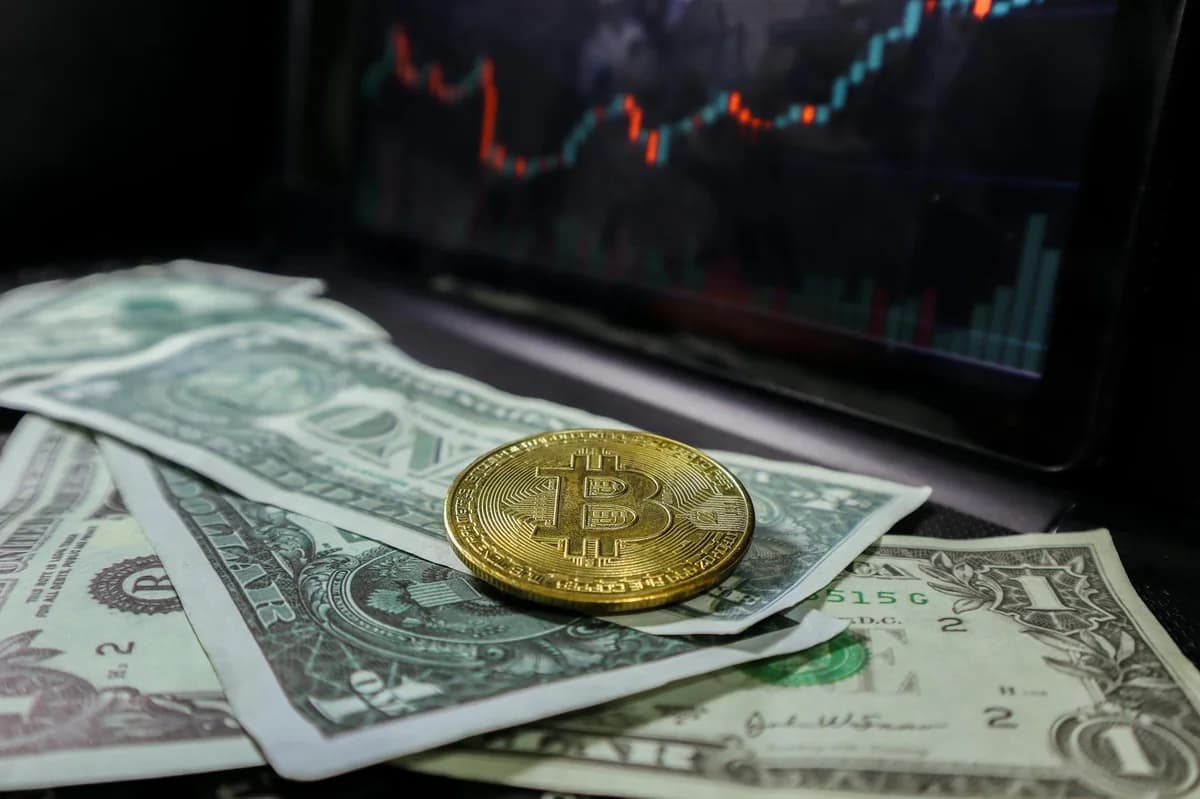
Imagine you decide to invest a fixed amount of fiat currency into Bitcoin each week. The table below illustrates how your average cost changes over four weeks with different prices. (Note: Numbers are for illustration only, not real market data.)
| Week | Amount Invested | Token Price | Tokens Purchased |
|---|---|---|---|
| 1 | Fixed sum | High | Few tokens |
| 2 | Fixed sum | Low | Many tokens |
| 3 | Fixed sum | Medium | Moderate amount |
| 4 | Fixed sum | Very low | Most tokens |
After four weeks, your total tokens is the sum of each week’s purchase. Your average cost per token is the total amount invested divided by total tokens. Because you bought more tokens when the price was low, your average cost is often lower than the average price over the period. This is the core benefit of dollar-cost averaging.
Breaking Down the Math
- Total invested = 4 × fixed sum
- Total tokens = sum of weekly purchases
- Average cost = total invested ÷ total tokens
In a volatile market, the average cost will be lower than the simple average of the weekly prices if you bought more during dips. This effect is sometimes called the “volatility bonus.”
Dollar-Cost Averaging vs. Lump Sum Investing
A lump sum investment means putting all your money into crypto at once. If the price rises immediately, you profit more than with DCA. But if the price drops right after, you suffer a larger loss. DCA trades potential higher returns for lower downside risk.
| Feature | Dollar-Cost Averaging | Lump Sum Investing |
|---|---|---|
| Timing risk | Spread out, reduced | Concentrated at one moment |
| Emotional burden | Low – automatic habit | High – need to pick the “right” entry |
| Best market condition | Sideways or falling markets | Strongly rising markets |
| Long-term outcome | Often yields lower average cost | Can yield higher returns if timing is perfect |
For most crypto beginners, DCA is the safer choice because it avoids the regret of buying at a local top. You can always combine DCA with occasional lump sum additions when you have extra capital.
Limitations of Dollar-Cost Averaging in Volatile Markets
While DCA is powerful, it’s not a magic bullet. Being aware of its drawbacks will help you use it wisely.
- Opportunity cost – If the market enters a sustained bull run, DCA may underperform a lump sum invested early.
- Transaction fees – Frequent small purchases can add up in fees, especially on networks with high costs. Choose exchanges that offer low-fee recurring buys or use limit orders to minimize expenses.
- Not a guarantee of profit – DCA cannot turn a bad asset into a good one. It only reduces price risk, not project risk. Always research the coins you buy.
To mitigate fees, many crypto exchanges now allow zero-fee recurring purchases for certain trading pairs. Take advantage of these programs to keep your average cost low.
Tips for Successful Dollar-Cost Averaging
Stick to your schedule – The most important rule is consistency. Do not skip weeks when the price is high or double down when it crashes. Let the strategy work.
Automate the process – Set up a recurring buy from your bank account or wallet. Automation removes emotion and ensures you never miss a purchase.
Diversify across assets – You can DCA into multiple cryptocurrencies simultaneously. For example, allocate a fixed amount to Bitcoin, Ethereum, and a few smaller projects. Use a portfolio rebalancing approach occasionally to maintain your target allocation.
Ignore short-term news – DCA is a long-term strategy. Daily price movements, FUD, or hype should not alter your plan. Focus on the accumulation phase over months or years.
Consider using a dollar-cost averaging bot – Some platforms offer automated DCA tools that buy at regular intervals. These can also use price-based triggers (e.g., buy more when price drops by a certain percentage) to enhance the strategy further.
Conclusion
Dollar-cost averaging is a beginner-friendly, time-tested method to invest in crypto without the stress of market timing. By investing fixed amounts regularly, you reduce the impact of volatility and build a disciplined habit. While no strategy eliminates all risk, DCA gives you a clear, repeatable process that works well in the unpredictable world of digital assets. Start small, automate your buys, and let time do the work.