Token vs Coin: Key Differences Explained
New to crypto? This beginner's guide explains the key differences between a token and a coin, with clear examples and practical tips to help you navigate wallets, fees, and project types.
Token vs Coin: Key Differences Explained
Token vs coin is a distinction that trips up many newcomers to cryptocurrency. While both are digital assets traded on blockchain networks, they serve fundamentally different purposes. Understanding this difference is essential for navigating the crypto space with confidence.
Token vs Coin: Understanding the Fundamental Divide
A coin is a digital asset that operates on its own independent blockchain. It is the native currency of that network and is used to pay for transactions, secure the network (e.g., through staking or mining), and serve as a store of value. Examples include Bitcoin (BTC) on the Bitcoin blockchain and Ether (ETH) on the Ethereum blockchain. Coins are created when a new blockchain is launched and are integral to its security model.
A token, in contrast, is a digital asset built on top of an existing blockchain. Tokens do not have their own ledger; they rely on the host blockchain’s infrastructure (usually via smart contracts). Tokens can represent anything from a share in a decentralized project to a digital collectible or even a voucher for a service. Most tokens follow standards like ERC-20 on Ethereum or BEP-20 on Binance Smart Chain.
| Aspect | Coin | Token |
|---|---|---|
| Native blockchain | Has its own blockchain | Lives on another blockchain |
| Primary purpose | Network currency, fee payment, security | Utility, governance, representation of assets |
| Creation method | Launched with a new blockchain | Deployed via a smart contract on an existing chain |
| Examples | Bitcoin, Ether, Solana | USDC, UNI, Chainlink (LINK) |
To remember the difference, think of a coin as the gasoline for a car (the blockchain) — without it, the car cannot move. A token is like a passenger or package sitting inside the car — it relies on the car to get where it needs to go.
Real-World Examples of Tokens vs Coins
Coins in Action
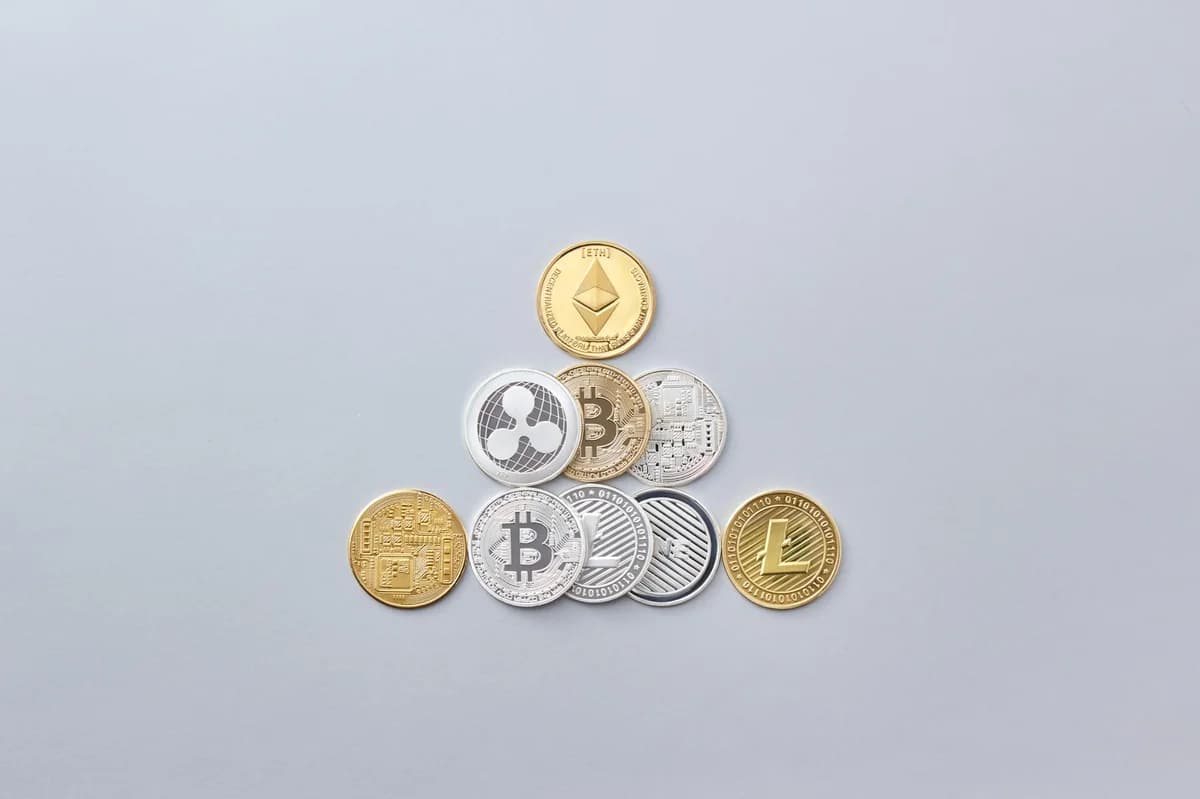
- Bitcoin (BTC) — the first cryptocurrency. It runs on its own blockchain and is used primarily as a digital store of value and medium of exchange. All transaction fees on the Bitcoin network are paid in BTC.
- Ether (ETH) — the native coin of Ethereum. It powers the entire Ethereum ecosystem: every smart contract execution, token transfer, or decentralized app interaction requires a small fee paid in ETH.
- Solana (SOL) — the native coin of the Solana blockchain. SOL is used for transaction fees and staking to secure the network.
Tokens in Action
- USDC (USD Coin) — a stablecoin token built on Ethereum (and other blockchains like Solana and Algorand). It represents a claim on one U.S. dollar held in reserve. USDC does not have its own blockchain; it exists as an ERC-20 token.
- Uniswap (UNI) — a governance token that lets holders vote on changes to the Uniswap decentralized exchange. UNI is an Ethereum token and has no native blockchain.
- Chainlink (LINK) — a token used to pay node operators for providing data to smart contracts. LINK is primarily an ERC-20 token on Ethereum.
A quick way to tell them apart: if you can send the asset to any wallet address and the transaction fee is paid in a different asset (e.g., ETH for ERC-20 tokens), you are holding a token. If the transaction fee is paid in the same asset you are sending, you are holding a coin.
Why the Token vs Coin Distinction Matters
Wallet and Exchange Support
Not all wallets or exchanges support every token and coin. A wallet designed for Bitcoin can only store BTC — it cannot hold ERC-20 tokens because those require a blockchain with smart contract capabilities like Ethereum. Similarly, an exchange may list a coin (e.g., XRP) but not a token built on a different chain (e.g., an XRP token on Ethereum). Knowing the difference helps you choose the right wallet and avoid sending assets to incompatible addresses.
Transaction Fees and Network Congestion
When you move a coin, you pay the network fee in that same coin. For example, sending BTC costs a small amount of BTC. When you move a token, you pay the fee in the host blockchain’s coin. Sending an ERC-20 token requires ETH to cover the gas fee. If the host network is congested, token transfers can become very expensive, while moving the native coin might still be relatively cheap (or vice versa). Understanding this distinction can save you from surprise costs.
Security and Trust
Coins derive security from their own consensus mechanism (e.g., proof of work for Bitcoin, proof of stake for Ethereum). Tokens inherit the security of the host blockchain — but also inherit its vulnerabilities. A bug in the token’s smart contract can put all holders at risk, even if the underlying blockchain is secure. Additionally, token projects may have different governance or minting rules. Always check whether a project is a native coin or a token to assess its risk profile.
Investment and Utility
Many beginners confuse tokens with coins when evaluating projects. A coin’s value is tied to the success of its own network. A token’s value depends on the specific project it represents — and that project may switch to another blockchain later. For example, a token that starts on Ethereum might migrate to a cheaper chain, but its holders still own the same token. Coins cannot migrate; they are forever linked to their original blockchain.
Conclusion
Token vs coin knowledge empowers you to make informed decisions about wallets, transactions, and investments. Coins are native to their own blockchains and serve as the network’s lifeblood. Tokens are versatile assets built on top of existing blockchains, enabling everything from stablecoins to governance rights. By keeping this distinction clear, you avoid costly mistakes and gain a solid foundation for deeper crypto learning.
For further reading, the Bitcoin white paper explains the original concept of a coin-based system at bitcoin.org/bitcoin.pdf, while Ethereum’s official documentation at ethereum.org details token standards like ERC-20.