What Is a PFP NFT Project? A Beginner's Guide
Learn what a PFP NFT project is, how profile picture NFTs work, and how to evaluate a project before buying. Includes practical examples and beginner tips.
What Is a PFP NFT Project? A Beginner's Guide
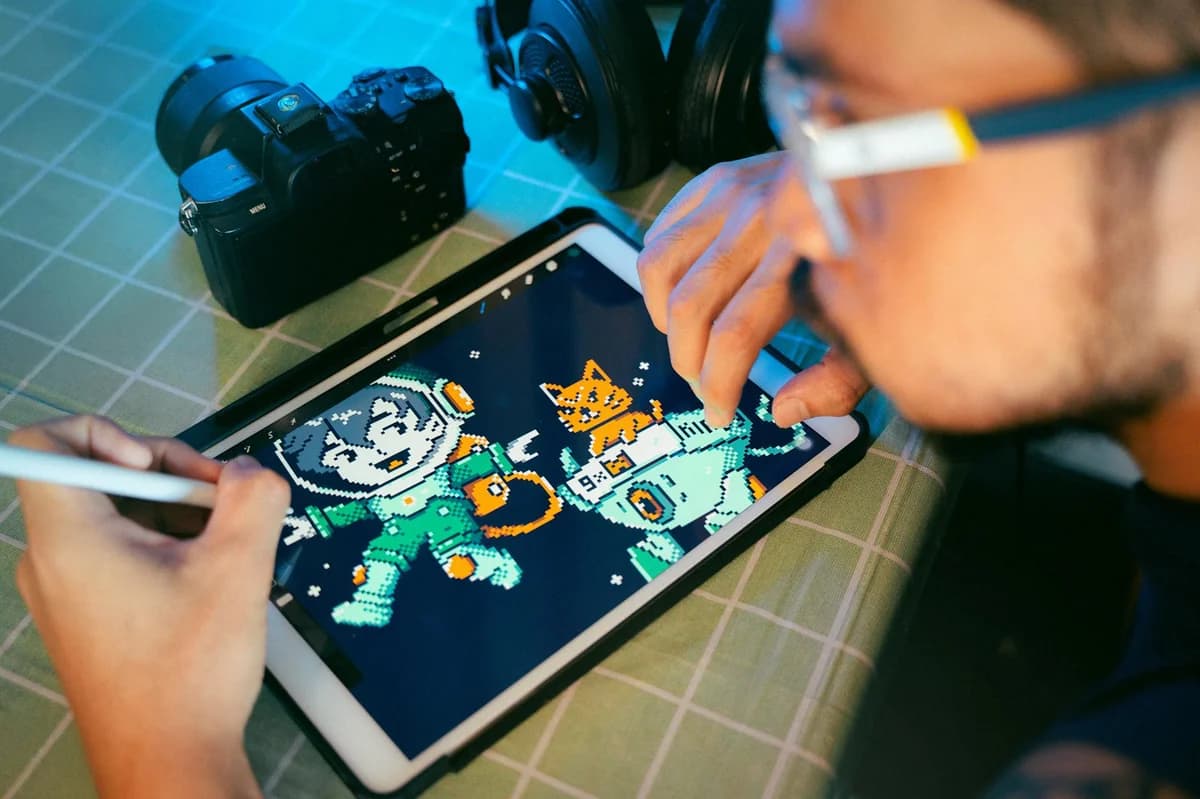
PFP NFT projects are digital collectible series where unique, cartoon-style images serve as profile pictures, giving owners both a digital identity and membership in an online community. These projects exploded in popularity by combining art, scarcity, and social belonging into a single token. Understanding how they work helps you avoid costly mistakes and enjoy the cultural side of crypto.
What Defines a PFP NFT Project?
A PFP NFT project is a collection of algorithmically generated images, typically featuring characters with varying traits like hats, eyes, or backgrounds. The term “PFP” stands for “profile picture” because owners often use their NFT as their avatar on social media platforms such as Twitter or Discord. Examples include:
- CryptoPunks – 10,000 pixel-art characters, one of the earliest and most influential PFP projects.
- Bored Ape Yacht Club (BAYC) – 10,000 cartoon apes with distinct expressions and accessories.
- Pudgy Penguins – 8,888 chubby penguins known for strong community engagement.
Each NFT in a PFP project is unique, but the collection as a whole shares a consistent art style. The project’s creator releases a fixed supply, and owners trade individual tokens on NFT marketplaces.
How PFP NFTs Differ from Other NFTs
While any NFT can be a picture, PFP projects stand out because of their community-first design. Ownership often grants access to private chat groups, exclusive events, and even voting rights on future project decisions. In contrast, single-edition art NFTs or gaming items rarely offer such social perks. The rarity of a PFP’s traits also drives its value – a Bored Ape with a gold fur coat is more sought after than one with common brown fur.
Core Features of a PFP NFT Project
Every mature PFP NFT project shares three core elements: art, rarity, and utility. Below is a comparison of how well-known projects stack up:
| Project | Launch Year | Trait Count | Notable Utility |
|---|---|---|---|
| CryptoPunks | 2017 | 87 trait types | Status symbol; IP rights for commercial use |
| Bored Ape Yacht Club | 2021 | 172 trait types | Member-only yacht club events; IP rights; airdrops |
| Pudgy Penguins | 2021 | 139 trait types | Licensing deals; merchandise; community grants |
Notice that utility goes beyond the image itself. Modern PFP projects often include staking, where you lock your NFT to earn tokens, or breeding, where you combine two NFTs to create a new one.
Art Style and Rarity
The visual variety inside a collection is generated by mixing and matching predefined layers. A typical PFP project might have 6–10 layers (background, skin, eyes, mouth, headwear, clothing) with dozens of options per layer. The project’s developer sets rarity percentages – for example, “zombie skin” might appear in only 1% of the supply. Collectors value rare traits because they make a particular NFT stand out from the crowd.
Community and Utility
Owning a PFP NFT is like holding a membership card. Many projects create dedicated Discord servers where holders can chat with the team and each other. Some projects also grant intellectual property (IP) rights, meaning you can commercialize your NFT’s image – turning it into merchandise, a brand, or even a character in a game. The community drives the project’s longevity; without active members, even beautiful art can become worthless.
How to Spot a Strong PFP NFT Project
Not every PFP NFT project is worth your attention. Beginners often fall for flashy art with no substance. Use these criteria to evaluate a project before buying:
- Team transparency – Do the founders show their faces or have a proven track record?
- Roadmap clarity – Is there a clear plan for utility after the mint (e.g., events, staking, or a game)?
- Community health – Check the Discord or Twitter for real engagement, not bots.
- Smart contract audit – A reputable third party should review the code to prevent rug pulls.
- Mint price and supply – Compare the initial cost to similar projects; be wary of extremely high supplies that dilute value.
⚠️ Warning: Beginners often think that any PFP NFT with cool art will go up in value. In reality, the project’s roadmap, team, and community health matter far more than the visual appeal. A flashy image with no utility is just a JPEG on the blockchain.
Red Flags to Avoid
Watch for these warning signs in a PFP NFT project:
- Copycat art that closely mimics a famous collection.
- Anonymous team with no doxxed identity.
- Vague roadmap promising “the moon” without concrete steps.
- Unrealistic hype on social media from paid influencers.
- Rapid mints that sell out in seconds, often driven by bots.
Why PFP NFT Projects Matter Beyond Speculation
While many buyers focus on price, PFP NFT projects have cultural and technological significance. They introduced provenance to digital profile pictures – you can prove you own the original, not just a screenshot. They also pioneered the community-owned brand model, where holders collectively decide the project’s future. For example, the Nouns DAO lets each NFT holder vote on treasury spending, turning a PFP project into a decentralized organization.
PFP NFT projects have also influenced mainstream brands. Nike, Adidas, and Red Bull have partnered with BAYC and other collections to launch co-branded merchandise. This shows that PFP projects can bridge the gap between crypto and traditional consumer culture.
Conclusion
A PFP NFT project is far more than a digital picture – it’s a social token, a membership pass, and a piece of internet history rolled into one. By understanding the art, rarity, and community utility, you can make informed decisions instead of chasing hype. Whether you join a project for fun, profit, or digital identity, the key is to research first and buy only what you believe in.