Candlestick Chart Reading for Beginners: A Simple Guide
Learn candlestick chart reading for beginners with simple explanations of candlestick parts, patterns like Doji and Hammer, and practical tips to avoid common mistakes in crypto trading.
Candlestick Chart Reading for Beginners: A Simple Guide
Candlestick chart reading is a fundamental skill for anyone looking to analyze price movements in cryptocurrency markets. By understanding how to interpret these visual representations of price data, beginners can make more informed trading decisions. This guide will break down the components of candlesticks, explain common patterns, and provide practical examples to get you started.
What Is a Candlestick in Chart Reading?
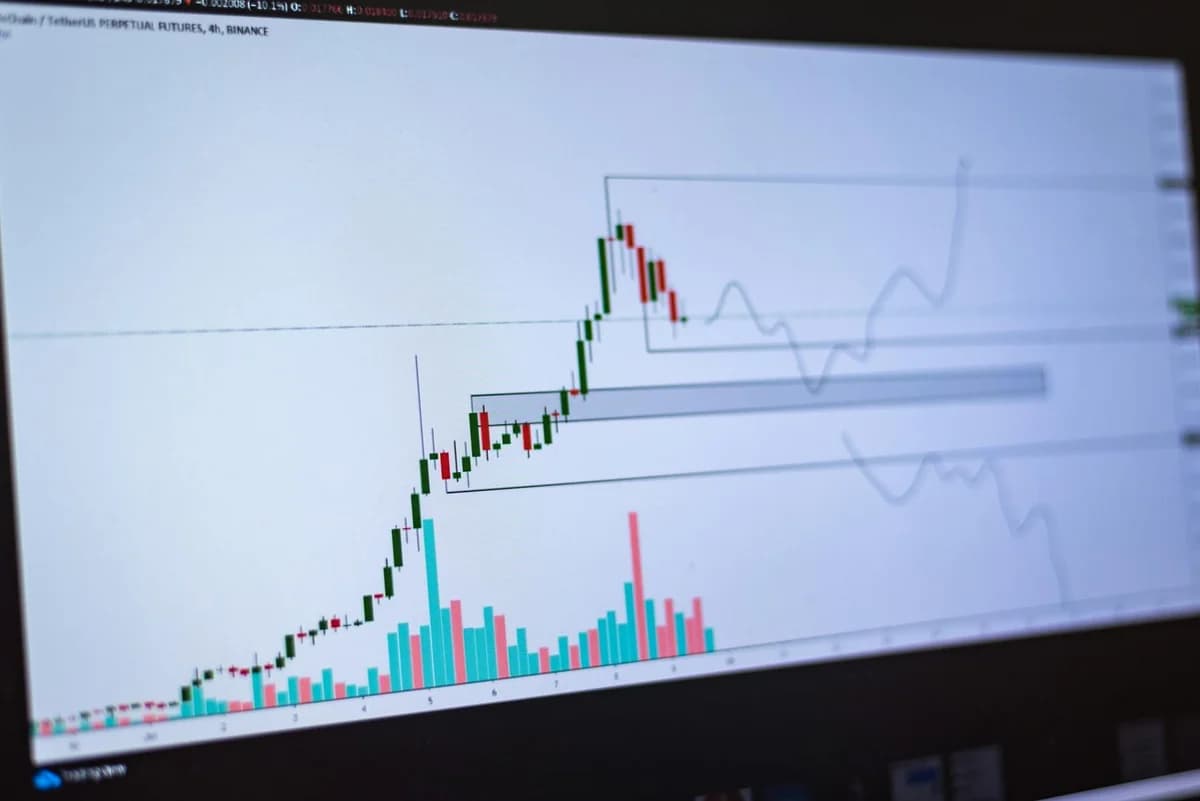
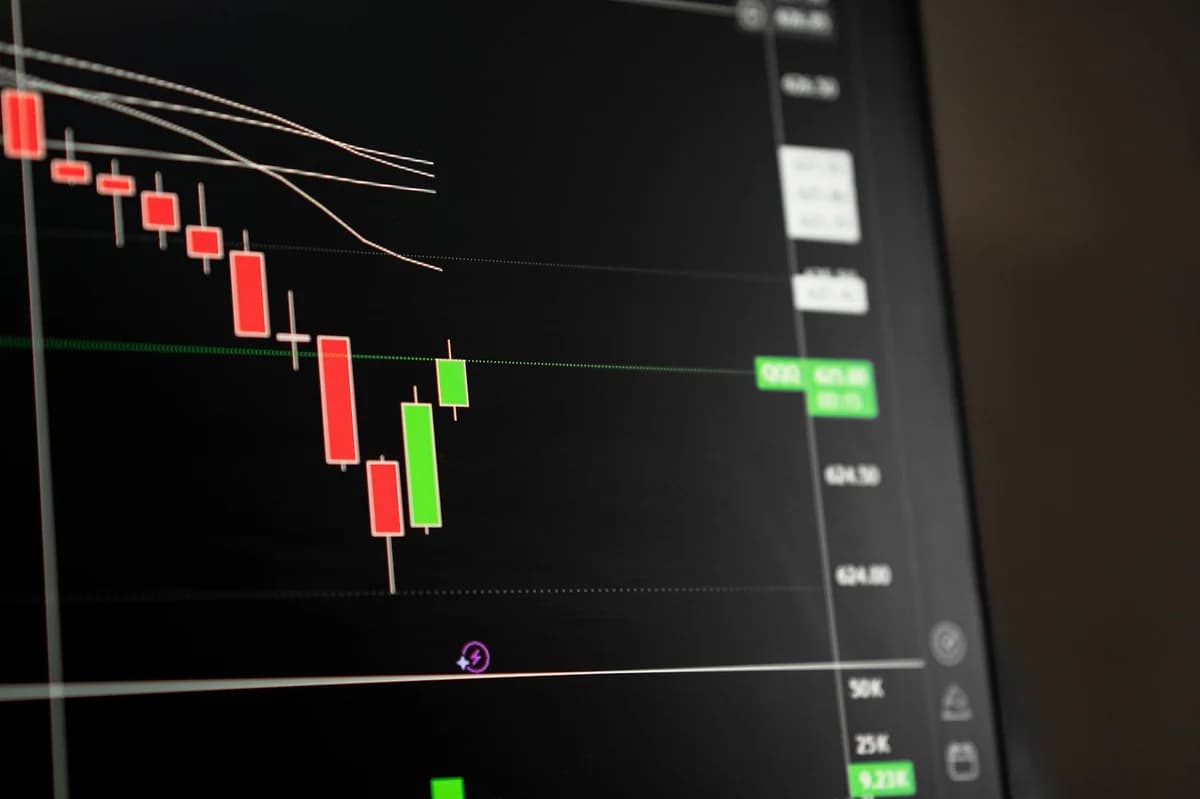
A candlestick is a single unit on a price chart that shows four key pieces of data for a given time period: the opening price, closing price, highest price, and lowest price. Each candlestick represents a specific timeframe – for example, one hour, one day, or one week. In candlestick chart reading, the color or shading of the candlestick tells you whether the price moved up or down during that period.
- A green (or white) candlestick means the closing price was higher than the opening price – a bullish candle.
- A red (or black) candlestick means the closing price was lower than the opening price – a bearish candle.
Parts of a Candlestick
Every candlestick consists of two main parts: the body and the wicks (sometimes called shadows). Understanding these components is essential for deeper candlestick chart reading.
| Part | Description | What It Shows |
|---|---|---|
| Body | The thick rectangle between the open and close prices | The range between the open and close – a long body indicates strong buying or selling pressure |
| Upper wick | The thin line extending above the body | The highest price reached during that period – a long upper wick suggests sellers pushed price down from the high |
| Lower wick | The thin line extending below the body | The lowest price reached – a long lower wick suggests buyers stepped in to push price up from the low |
For beginners, a key insight in candlestick chart reading is that the length of the body and wicks reveals the balance of power between buyers and sellers. A small body with long wicks, for instance, indicates indecision or a tug‑of‑war.
How to Read Single Candlestick Patterns
Certain candlestick shapes carry specific meaning. Here are three common single‑candlestick patterns every beginner should know.
The Doji
A Doji forms when the open and close prices are nearly equal, creating a very thin or nonexistent body. The wicks can be short or long. In candlestick chart reading, a Doji signals market indecision – neither buyers nor sellers dominated. After a strong uptrend, a Doji may hint at a potential reversal; after a downtrend, it can suggest a pause or bottom.
⚠️ Warning: A single Doji is not a reliable trade signal on its own. Beginners often mistake it for a guaranteed reversal, but it only shows indecision. Always wait for confirmation from the next candle.
The Hammer
A Hammer has a small body near the top of the candle and a long lower wick (at least twice the body length). It appears during a downtrend. The long lower wick means sellers drove the price low, but buyers then pushed it back up near the open. In candlestick chart reading, this indicates potential bullish reversal – the selling pressure is weakening. For the pattern to be valid, the lower wick must be long, and the upper wick should be short or absent.
The Shooting Star
A Shooting Star is the opposite of a hammer: it forms during an uptrend, has a small body near the bottom, and a long upper wick. This suggests that buyers initially pushed price higher, but sellers then forced it back down. In candlestick chart reading, the Shooting Star warns of a potential bearish reversal. As with the Hammer, confirmation from the next candle is vital.
Combining Candlesticks: Basic Patterns
More powerful signals arise when two or more candlesticks appear together. Beginners should start with these two classic two‑candle patterns.
Bullish Engulfing
A Bullish Engulfing pattern consists of two candles:
- A small red (bearish) candle followed by
- A larger green (bullish) candle that completely covers (engulfs) the body of the first candle.
This pattern appears after a downtrend and suggests that buying pressure has overwhelmed selling pressure. In candlestick chart reading, it is considered a strong bullish reversal signal.
Bearish Engulfing
The Bearish Engulfing pattern is the mirror image:
- A small green (bullish) candle followed by
- A larger red (bearish) candle that engulfs the first candle’s body.
It forms after an uptrend and warns that sellers are taking control. Beginners should note that the larger the engulfing candle, the more significant the signal.
💡 Pro Tip: When practicing candlestick chart reading, always focus on volume (if available). High volume during an engulfing pattern adds credibility to the reversal. Low volume may indicate a false breakout.
Common Mistakes in Candlestick Chart Reading
Many newcomers fall into traps that can be avoided with a clear understanding of the basics.
- Ignoring the trend: Candlestick patterns are most reliable when they align with the overall market direction. A hammer in a strong downtrend is more meaningful than one in a sideways market.
- Over‑relying on a single pattern: No pattern works 100% of the time. Always look for confirmation – such as the next candle closing in the expected direction or a support/resistance level nearby.
- Using too short a timeframe: One‑minute candles are noisy. For beginners, daily or 4‑hour charts offer clearer patterns and less false noise.
⚠️ Warning: Do not assume a pattern will play out exactly as described. Markets are unpredictable, and even textbook patterns can fail. Always use stop‑losses to manage risk.
Using Candlestick Charts with Other Tools
Candlestick chart reading becomes more powerful when combined with basic technical analysis tools. Consider these pairings:
- Support and resistance levels: Patterns like hammers or engulfing candles near a known support level have a higher probability of success.
- Moving averages: A bullish engulfing pattern occurring above a rising 50‑period moving average adds confidence to a long position.
- Relative Strength Index (RSI): If an engulfing pattern appears while RSI is below 30 (oversold), the reversal signal is strengthened.
Beginners should practice identifying patterns on historical charts before trading with real money. Many crypto exchanges offer free charting tools with built‑in candlestick views.
Conclusion
Candlestick chart reading is an accessible yet powerful way to understand market psychology and price action. By learning the parts of a candlestick, recognizing single‑candle patterns like the Doji and Hammer, and understanding two‑candle formations like engulfing patterns, you can begin to make more informed trading decisions. Remember to always combine candlestick signals with broader market context and risk management. As with any skill, consistent practice and patience will improve your candlestick chart reading over time.