Candlestick Chart Reading for Beginners: A Guide
Discover candlestick chart reading for beginners. Understand candle anatomy, common patterns like doji and engulfing, and how to use them in crypto trading.
Candlestick Chart Reading for Beginners: A Guide
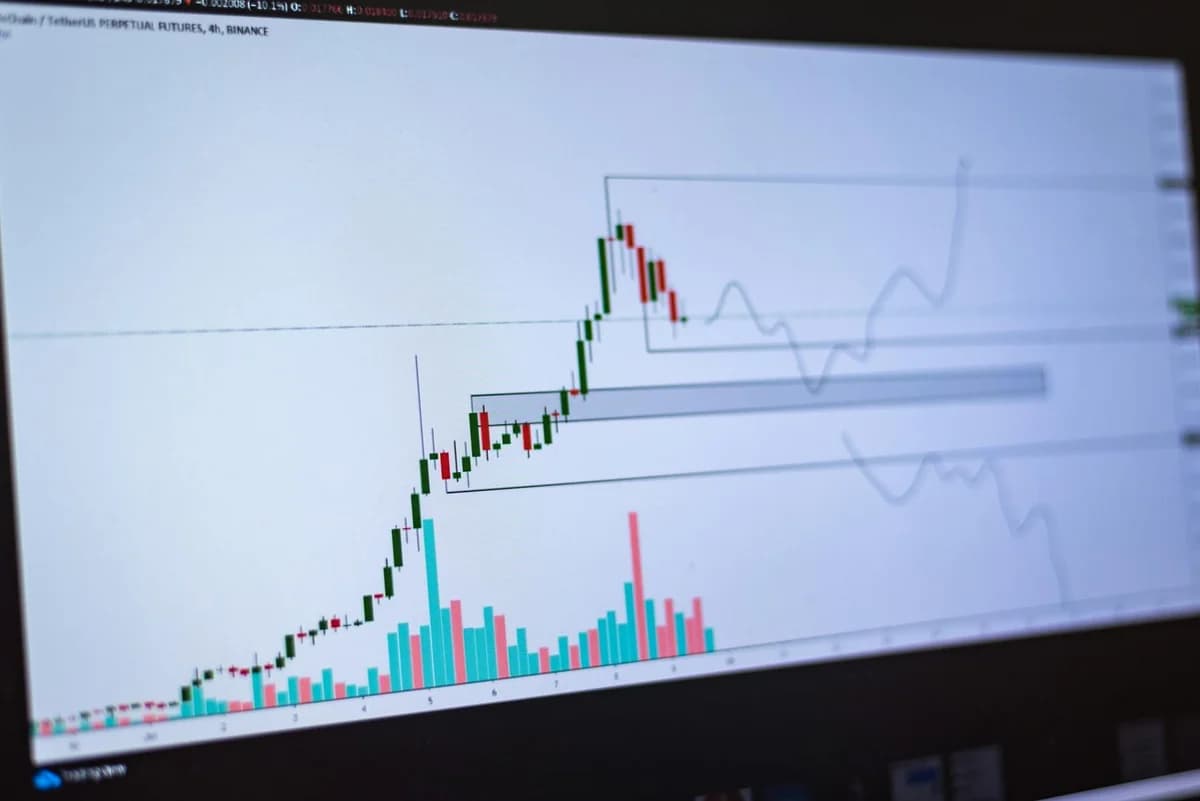
Candlestick chart reading is a foundational skill for anyone analyzing cryptocurrency markets. This visual method turns price data into easy-to-read patterns that reveal market sentiment and potential future moves. By learning a few basic structures, beginners can start making more informed trading decisions.
Why Candlestick Chart Reading is Essential for Crypto Traders
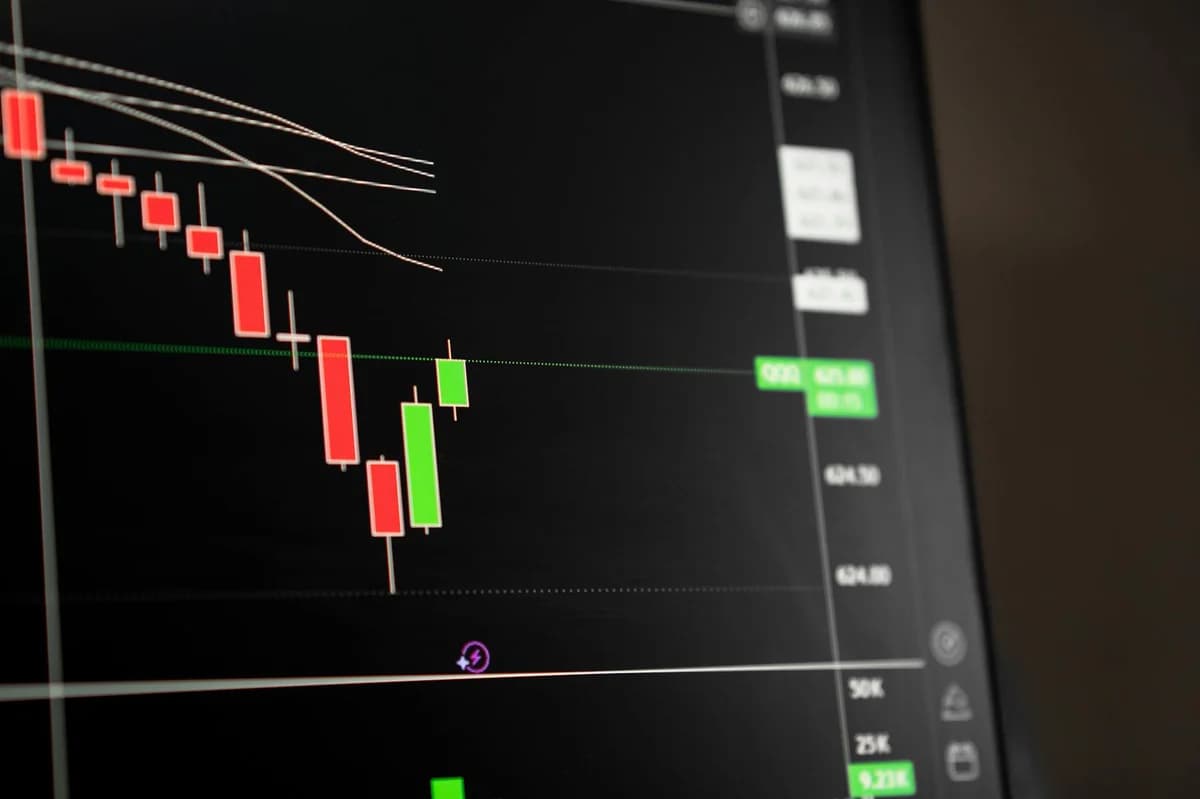
Candlestick chart reading helps traders see at a glance whether buyers or sellers are in control. Unlike a simple line chart, each candlestick captures four key data points: open, high, low, and close price over a chosen time period. This rich information allows you to gauge momentum and spot potential turning points.
Key reasons to learn this skill include:
- Identify market sentiment – Green candles show buying pressure; red candles show selling pressure.
- Spot potential reversals – Certain patterns, like a hammer after a downtrend, can signal a shift.
- Time entries and exits – Candle wicks and bodies provide clues about when to act.
💡 Pro Tip: Always confirm a candlestick pattern with volume or other indicators before trading. A single candle can be misleading in low-volume periods.
Candlestick Chart Reading: Understanding the Basic Structure
Every candlestick has three main parts: the body, the upper wick, and the lower wick. The body represents the difference between the open and close prices. A filled (or red) body means the close was lower than the open – a bearish candlestick. A hollow (or green) body means the close was higher than the open – a bullish candlestick.
The wicks, sometimes called shadows, show the highest and lowest prices reached during that period. A long upper wick suggests sellers pushed prices down from a high, while a long lower wick indicates buyers stepped in after a low.
| Feature | Bullish Candlestick | Bearish Candlestick |
|---|---|---|
| Body color | Green (or white) | Red (or black) |
| Open vs close | Close > Open | Close < Open |
| Typical meaning | Buyers were in control | Sellers were in control |
| Long upper wick | Rejection of higher prices (possible resistance) | Buyers tried to push up but failed |
| Long lower wick | Buyers stepped in after a dip (possible support) | Sellers failed to keep prices low |
Candlestick Chart Reading: Key Patterns to Watch
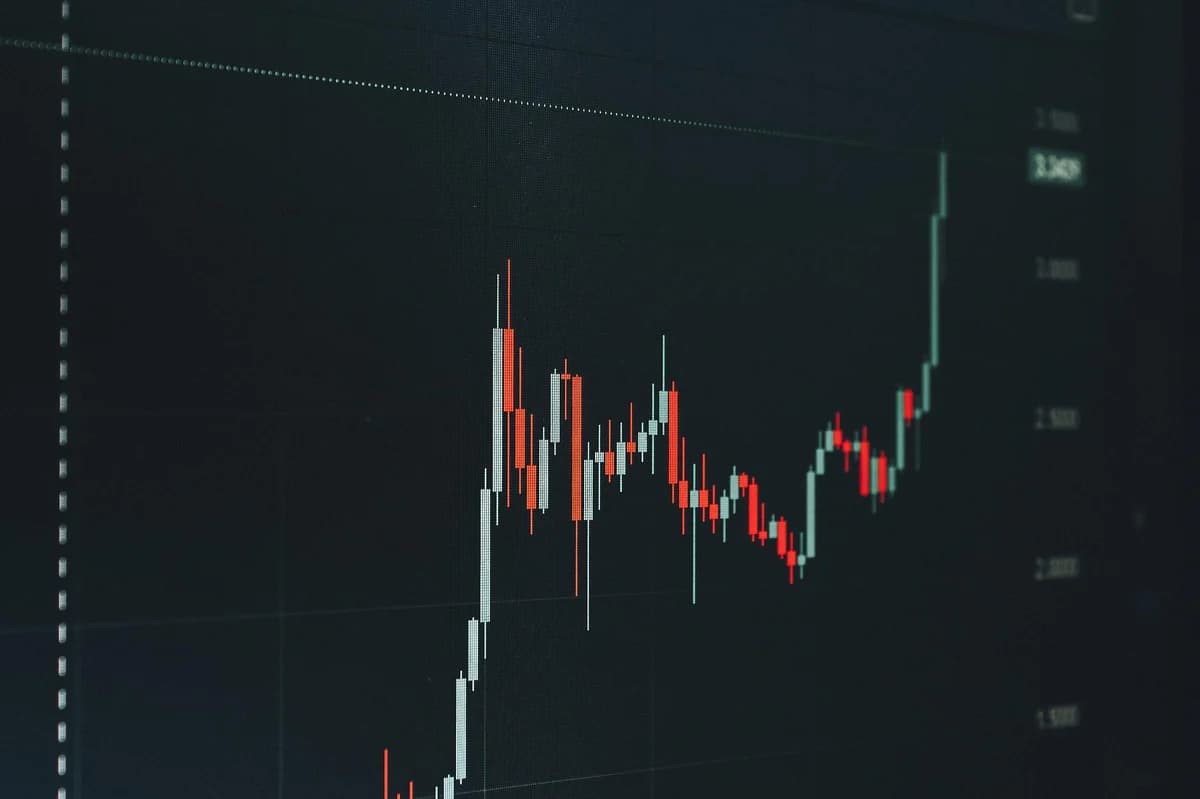
Patterns fall into two broad categories: single-candle and multi-candle formations. Beginners should focus on the most reliable ones.
Single-Candle Patterns
The doji has a very small body, meaning the open and close are nearly equal. It signals indecision in the market – neither buyers nor sellers dominated. A doji after a strong uptrend can warn of a potential reversal; after a downtrend, it may indicate that selling is losing steam.
The hammer has a small body at the top of a long lower wick. It appears during a downtrend and suggests that buyers are starting to reject lower prices. When you see a hammer, it could mean the downtrend is about to reverse upward.
Multi-Candle Patterns
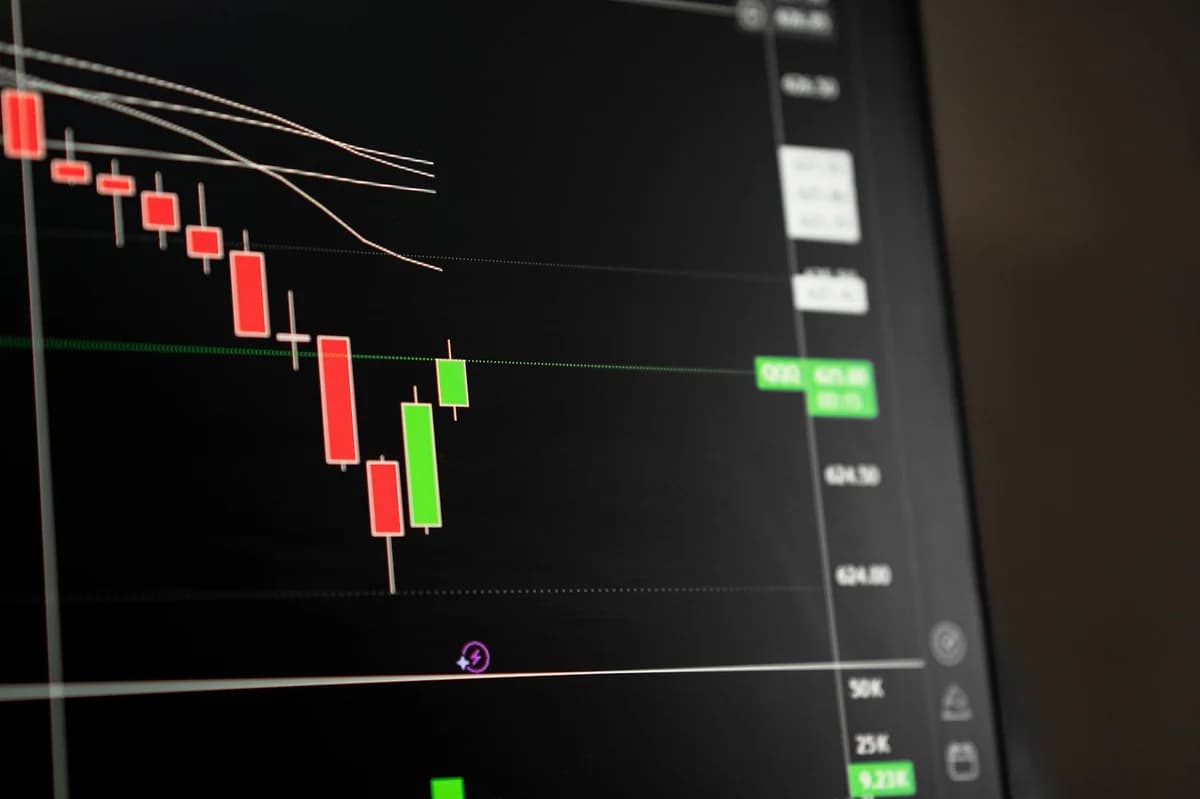
The bullish engulfing pattern consists of two candles: a small red candle followed by a larger green candle that completely "engulfs" the body of the previous candle. This shows that buying pressure overwhelmed selling pressure and often signals the start of an uptrend.
The bearish engulfing is the opposite – a small green candle followed by a larger red candle that engulfs it. This pattern warns that sellers have taken control, potentially leading to a downtrend.
How to Practice Candlestick Chart Reading as a Beginner
Start by looking at historical charts of major cryptocurrencies like Bitcoin or Ethereum. Identify each candle's open, high, low, and close. Then look for the patterns described above. Practice marking possible dojis, hammers, and engulfing patterns on a screenshot.
Candlestick chart reading becomes more intuitive the more you practice. Begin with daily or 4-hour timeframes, as they show clearer patterns than shorter timeframes like 1-minute charts.
Use a demo account or paper trading platform where no real money is at risk. This lets you test your pattern recognition without financial pressure. Over time, combine your candle knowledge with simple support and resistance levels to improve your timing.
Conclusion
Candlestick chart reading empowers beginners to decode market movements without relying on complex tools. By learning the anatomy of a candle and a handful of reliable patterns – such as dojis, hammers, and engulfing formations – you gain a practical edge in crypto trading. Consistent practice will turn these concepts into an intuitive skill that enhances your overall trading strategy.