On-Chain Analysis: What It Is and Why It Matters

On-Chain Analysis: What It Is and Why It Matters
On-chain analysis is the practice of examining data recorded directly on a blockchain to understand market behavior, network health, and investor sentiment. Unlike traditional market metrics that rely on exchange order books or reported volumes, on-chain analysis draws from the immutable ledger itself—every transaction, address, and block mined. For beginners, mastering this discipline offers a powerful edge in spotting trends before they appear on price charts.
How On-Chain Analysis Works
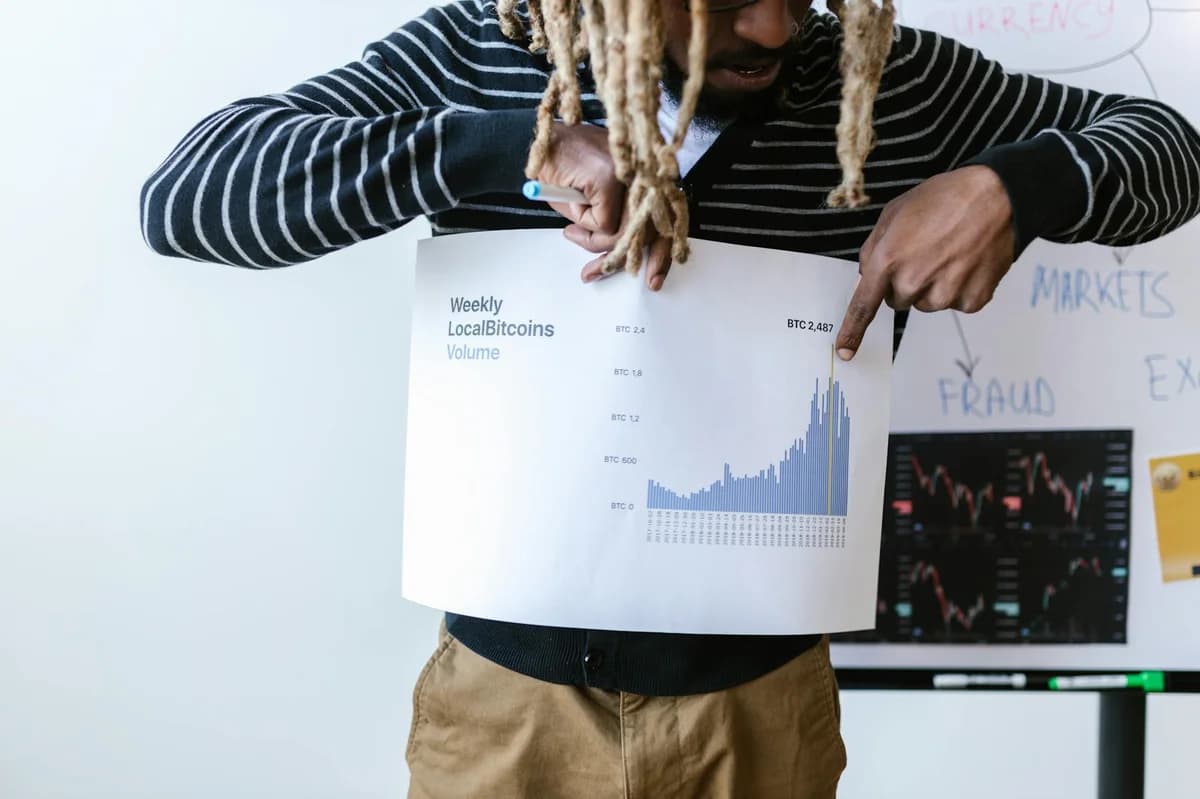
On-chain analysis works by parsing the raw data that blockchains generate with each new block. This data includes transaction counts, active addresses, transfer volumes, and network fees. Analysts aggregate these raw figures into metrics that reveal what participants are actually doing—buying, selling, hodling, or moving funds. Because the blockchain is transparent and immutable, the data is verifiable and difficult to fake.
Transaction Data
Every transfer of tokens creates a record. By counting the total number of transactions over a period, analysts gauge network usage. A rising number of transactions often indicates growing adoption, while a sudden drop may signal declining interest. For example, if a blockchain processes 30% more transactions in a week than the previous month, it suggests the network is being used more actively.
Address Activity
Another core metric is active addresses—unique wallets that send or receive tokens within a given timeframe. New addresses joining the network hint at user acquisition, while a surge in active addresses during a price decline might indicate accumulation rather than panic. Analysts also track concentration: how many addresses hold a large percentage of the supply. If a single entity controls a large fraction, that can affect price stability.
Network Value to Transactions (NVT) Ratio
One of the most popular on-chain metrics is the Network Value to Transactions (NVT) ratio, which divides the blockchain’s market capitalization by the daily transaction volume (in the native token). A high NVT suggests the network is overvalued relative to its utility; a low NVT may signal that the token is undervalued. Think of it like a stock’s price‑to‑sales ratio, but for a whole blockchain.
Below is a simplified comparison of on‑chain metrics versus typical exchange metrics:
| Metric Type | Traditional Market (Exchange) | On‑Chain (Blockchain) |
|---|---|---|
| Volume | Reported trade volume (often includes wash trading) | Actual transferred value (on‑chain settlements) |
| “Interest” | Open interest in futures | Number of active addresses, new accounts |
| Sentiment | Social media mentions | Exchange inflow/outflow, coin age consumed |
| “Whales” | Large orders on order book | Tracks large wallet movements in real time |
On‑chain metrics cut through the noise of manipulative exchange data because they come from the ledger’s consensus.
Why On-Chain Analysis Matters for Investors
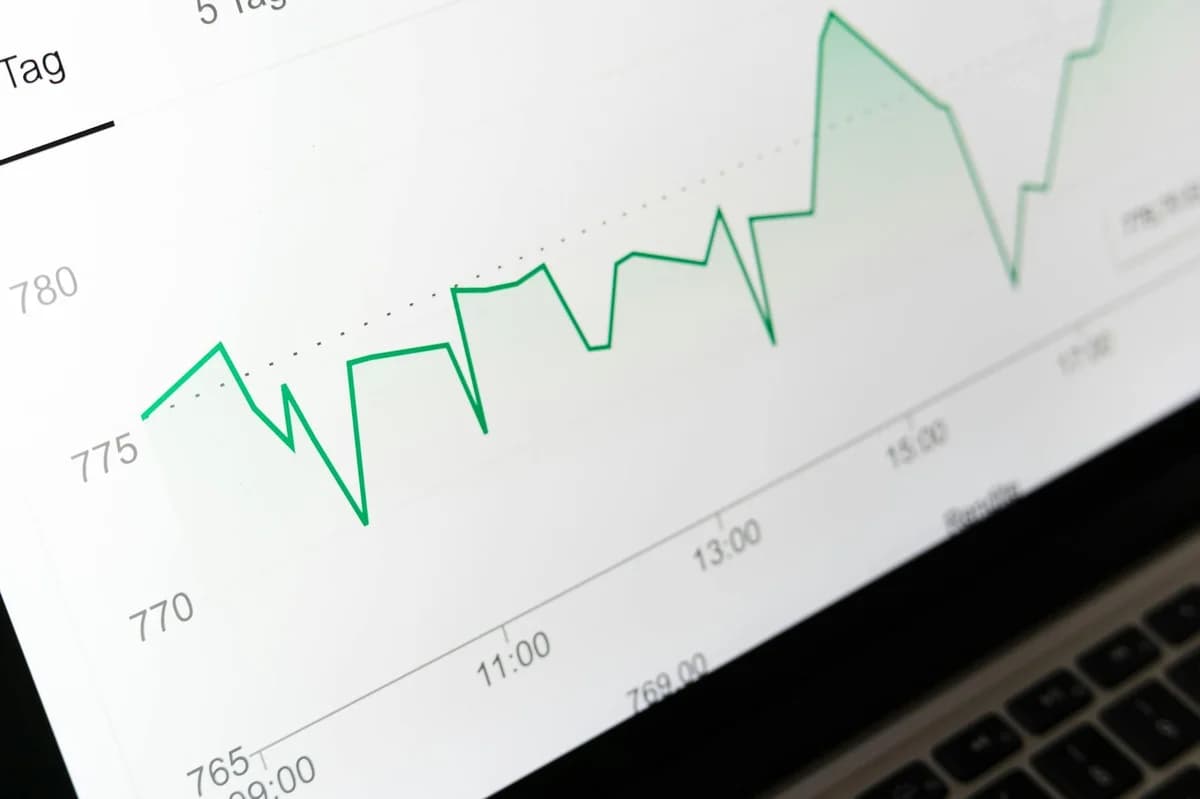
On-chain analysis matters because it reveals intent—what large holders (“whales”), miners, and long‑term investors are doing with their coins. Traditional price‑based analysis can only show what happened; on‑chain analysis helps explain why. It alerts investors to potential price shifts days or weeks before they manifest on exchanges.
Practical Example: Exchange Flows
The most common on‑chain indicator is the net flow of tokens into and out of exchanges. When a large number of coins are sent to exchange wallets, it often signals an intent to sell, because only the exchange can execute a trade. Conversely, when tokens leave exchanges and go into private wallets, it suggests holders are moving to cold storage—a sign of accumulation and lower selling pressure.
- Spike in exchange inflows: Historically preceded price drops in several major cryptocurrencies.
- Sustained exchange outflows: Often accompanied by bullish price action weeks later.
For instance, if on‑chain data shows that a whale moved 5,000 coins to an exchange over three days while another 10,000 coins were withdrawn by separate addresses, the net outflow could indicate a buying opportunity for retail investors—provided the overall trend is confirmed by other metrics.
Example: HODL Waves (Coin Days Destroyed)
Another powerful tool is Coin Days Destroyed (CDD), which measures how many days coins have sat idle before being moved. A spike in CDD means old, long‑term held coins are changing hands. This often coincides with major tops (old hands selling) or bottoms (new buyers absorbing supply). HODL waves visualize the distribution of coins by how long they’ve been dormant—young coins (moved recently) suggest speculative activity, while old coins (unmoved for years) indicate conviction.
Key Limitations of On-Chain Analysis
On-chain analysis is not perfect. Data lag is a core issue—blocks are only created every few minutes to hours (depending on the blockchain), so analysis is always slightly behind real time. Additionally, metrics can produce false signals when interpreted in isolation. For example, a surge in active addresses might be due to spam transactions or airdrop farming, not genuine adoption.
Privacy coins (like Monero or Zcash) obscure transaction details, making on‑chain analysis nearly impossible for those networks. Furthermore, layer‑2 solutions and off‑chain channels (e.g., the Lightning Network) move transactions away from the main chain, so on‑chain data captures only a portion of total activity. Analysts must cross‑reference multiple blockchains and layer‑2 systems to get a complete picture.
Getting Started with On-Chain Analysis
Beginners can start with free dashboards from platforms like Glassnode, Dune Analytics, or CoinMetrics. These sites present key metrics—active addresses, transaction count, exchange flows—in easy‑to‑read charts. A practical first step: monitor the exchange net flow of Bitcoin or Ethereum each day alongside the price chart. When you see repeated days of heavy outflows combined with a stable or rising price, that is a strong on‑chain buy signal.
To deepen your knowledge, learn to read MVRV Z‑Score (Market Value to Realized Value) and SopR (Spent Output Profit Ratio). These advanced metrics require a bit of math but reveal when markets are historically overbought or oversold.
On-chain analysis empowers investors to see through market noise and align decisions with actual blockchain activity. By combining it with technical and fundamental analysis, you gain a clearer view of where a network—and its token—might be heading. The data is honest; the challenge is learning to interpret it.