Perpetual Futures & Funding Rates: A Beginner's Guide
Learn what perpetual futures are and how funding rates work. This guide explains the mechanism with practical examples, key risks, and tips for beginners.
Perpetual Futures & Funding Rates: A Beginner's Guide
Perpetual futures are a popular trading instrument in crypto markets that let you bet on price movements without owning the underlying asset. Unlike traditional futures, they never expire, making them a flexible tool for both hedging and speculation. Understanding how they work — especially the funding rate mechanism — is essential for anyone entering leveraged trading.
What Are Perpetual Futures?
Perpetual futures are derivative contracts that track the price of an underlying crypto asset, such as Bitcoin or Ethereum, but have no settlement date. This means you can hold a position open for as long as you like, provided you maintain sufficient margin.
Unlike traditional futures that expire and require rolling over, perpetual futures stay alive by using a funding rate to keep the contract price aligned with the spot market. Traders can go long (betting the price will rise) or short (betting it will fall) and use leverage to amplify their exposure.
Example: Suppose you think Bitcoin’s price will increase. You open a long position on a Bitcoin perpetual contract. If the price rises as expected, you profit; if it falls, you incur a loss. You never take delivery of actual Bitcoin — you only speculate on the price change.
How Funding Rates Keep Prices in Check

The funding rate is a periodic payment exchanged between long and short traders on perpetual futures markets. Its purpose is to prevent the contract price from deviating too far from the underlying spot price.
When the perpetual contract trades at a premium (above spot), longs pay shorts to encourage selling and bring the price down. When it trades at a discount (below spot), shorts pay longs to encourage buying and push the price up. Funding is typically settled every 8 hours.
| Market Condition | Funding Rate | Who Pays Whom |
|---|---|---|
| Contract price > spot price (premium) | Positive | Longs pay shorts |
| Contract price < spot price (discount) | Negative | Shorts pay longs |
Practical example: The Bitcoin perpetual contract is trading at $30,500 while spot Bitcoin is $30,000 — a $500 premium. The funding rate turns positive. If you are long, you pay a small percentage of your position size to short holders every 8 hours. If you are short, you receive that payment. Over a few days, a persistently high funding rate can eat into a long trader’s profits, even if the price moves in their favor.
Why Funding Rates Matter for Traders
Funding rates directly affect your profitability, especially if you hold a position for more than one funding period. High positive funding can make holding a long expensive, while negative funding can actually reward long positions.
- Funding rates are recalculated every 8 hours based on the interest rate and premium/discount.
- Rates can spike during volatile markets — for example, extreme bullish sentiment often leads to very high positive funding.
- Some traders use funding rates as a sentiment indicator: very high positive funding may signal an overheated market.
💡 Pro Tip: Always check the current funding rate before opening a leveraged position. If the rate is very high and positive, opening a long could cost you more in funding payments than the trade itself might earn. Some traders use funding rate spikes as contrarian signals.
Understanding Leverage and Margin in Perpetuals
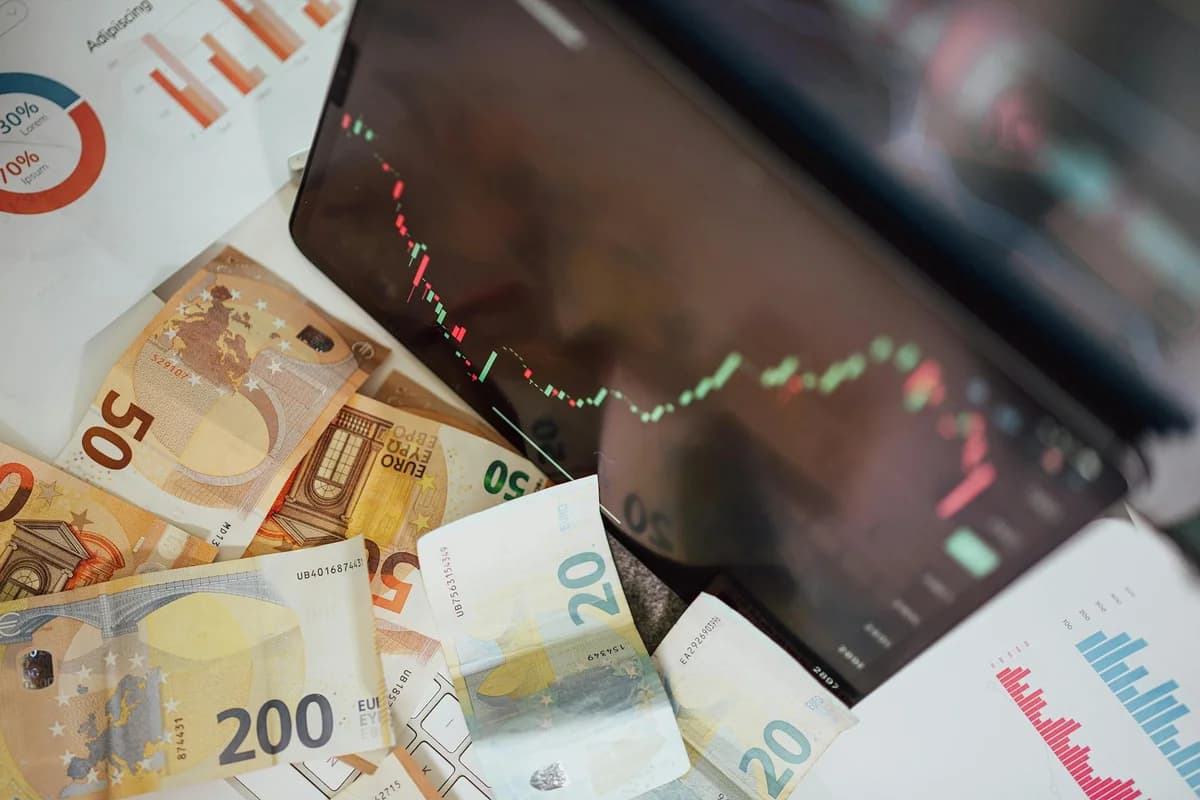
Perpetual futures allow you to trade with leverage, meaning you can control a large position with a relatively small amount of capital (called margin). Common leverage levels range from 2x to 100x on many exchanges.
Example without dollar amounts: With 10x leverage, a 1% move in the underlying asset results in a 10% change in your position value — either profit or loss. However, if the market moves against you by roughly 10% (depending on the leverage), your position may be liquidated, meaning you lose your entire margin.
- Initial margin is the minimum amount needed to open a position.
- Maintenance margin is the minimum amount required to keep the position open.
- A liquidation event occurs when your margin falls below the maintenance threshold.
Risks and Best Practices for Beginners
While perpetual futures can be profitable, they carry significant risks — especially for newcomers. Here are key points to remember:
- Funding costs can accumulate, turning a winning trade into a losing one if held too long.
- Leverage magnifies both gains and losses; a small adverse price move can wipe out your margin.
- Market volatility can cause sudden liquidations, especially during news events or low liquidity.
- Emotional trading often leads to over-leveraging and oversized positions.
Best practices:
- Start small — use low leverage (e.g., 2–5x) until you understand the mechanics.
- Monitor funding rates — factor them into your strategy, especially for longer-term positions.
- Set stop-loss orders to limit potential losses if the market moves against you.
- Avoid holding during high funding — consider closing and reopening when rates normalize.
For a deeper dive, refer to Binance Academy’s guide on perpetual futures contracts. You can also read about funding rates on CoinDesk’s learning section.
Conclusion
Perpetual futures are powerful trading instruments, but their funding rate mechanism demands careful attention. By understanding how funding payments work, how they affect position profitability, and how to manage leverage and risk, you can approach these markets with greater confidence. Start with small positions, monitor funding regularly, and never risk more than you can afford to lose.