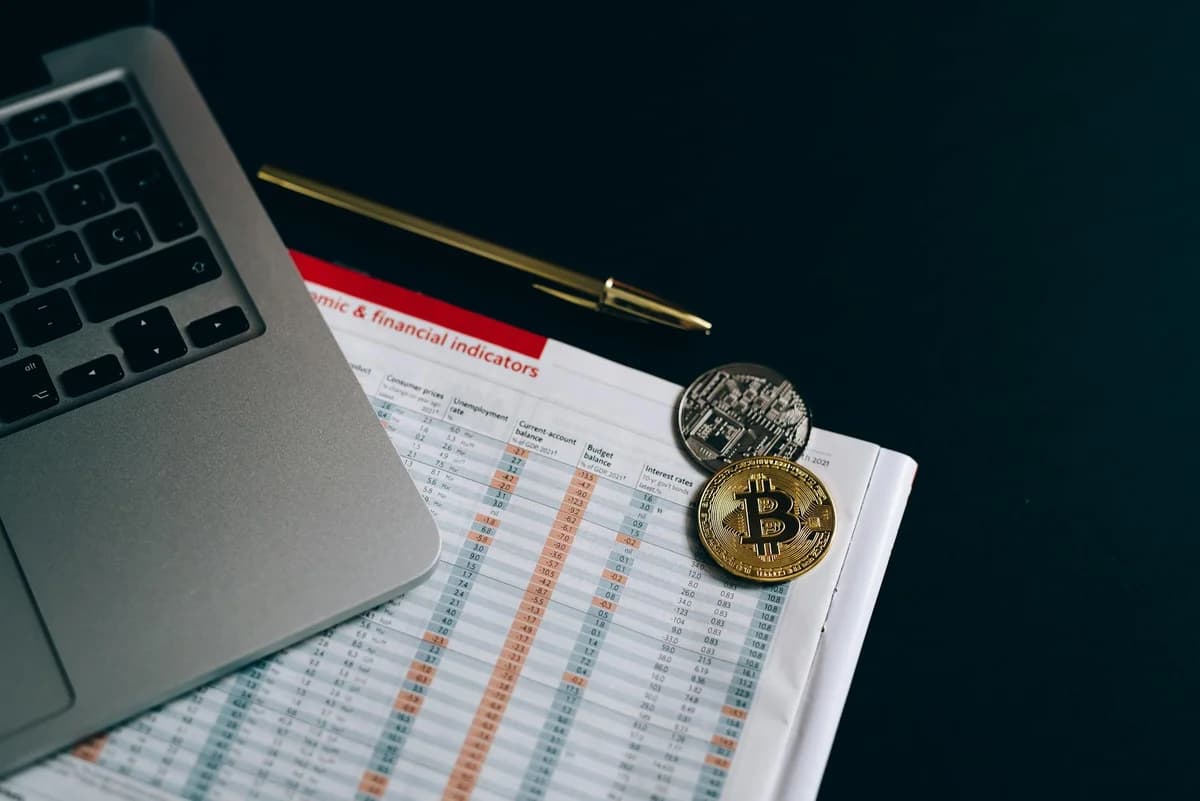
Quantitative Easing Explained: Impact on Crypto
Learn what quantitative easing is, how it affects fiat currencies, and why it drives interest in Bitcoin and other cryptocurrencies as inflation hedges.
Quantitative Easing Explained: Impact on Crypto
Quantitative easing is a monetary policy tool used by central banks to stimulate the economy by increasing the money supply. When central banks buy government bonds and other assets, they inject liquidity into financial systems, often leading to inflation fears. For cryptocurrency investors, understanding quantitative easing helps explain why digital assets like Bitcoin gain attention as hedges.
Quantitative Easing Explained: The Mechanism
Quantitative easing (QE) works through a central bank—like the U.S. Federal Reserve or the European Central Bank—creating new money electronically to purchase financial assets, usually government bonds. The goal is to lower long-term interest rates, encourage borrowing, and revive economic activity during recessions or crises.
A Simple Analogy
Imagine a central bank prints millions of new dollars and uses them to buy IOUs from commercial banks. Those banks suddenly have extra cash, which they can lend to businesses and consumers. More loans mean more spending, which can boost a sluggish economy.
The Step-by-Step Process
- The central bank announces a target amount for asset purchases.
- It creates new money out of thin air—digitally, not with printing presses.
- It buys government bonds or mortgage‑backed securities from banks and other financial institutions.
- Those institutions now hold larger reserves, encouraging them to lend more.
- The increased lending reduces interest rates and fuels spending, investment, and—potentially—inflation.
The money supply expands, and the central bank’s balance sheet grows. This process is distinct from traditional interest‑rate cuts, which are typically used first. QE is often described as an “unconventional” policy for when rates are already near zero.
The Ripple Effect of Quantitative Easing on Crypto
Quantitative easing influences cryptocurrency markets indirectly by altering the value and attractiveness of traditional fiat currencies. When central banks inject large amounts of liquidity, the purchasing power of fiat can erode over time, driving investors to seek store‑of‑value assets with limited supply—such as Bitcoin.
How Fiat Inflation Boosts Crypto Demand
As the money supply grows, each unit of currency becomes less scarce. This dynamic often leads to higher inflation expectations. Scarce assets like Bitcoin, whose supply is capped at 21 million coins, become more appealing as a hedge against currency debasement.
| Feature | Fiat Currency (e.g., USD) | Bitcoin |
|---|---|---|
| Supply | Unlimited – central bank can print more | Fixed at 21 million |
| Inflation risk | High during aggressive QE | Low (disinflationary by design) |
| Control | Centralized | Decentralized |
Additionally, low interest rates during QE reduce the opportunity cost of holding non‑yielding assets. Investors are less motivated to park cash in savings accounts paying near zero, so they rotate into alternative investments, including cryptocurrencies.
Bitcoin: A Direct Beneficiary of Quantitative Easing?
While Bitcoin’s price has historically risen during periods of aggressive quantitative easing, correlation does not equal causation. However, several structural factors link QE cycles to increased crypto interest:
- Fiat depreciation – As the real value of fiat declines, investors diversify into hard assets.
- Low yields – Bonds and savings accounts offer minimal returns, pushing capital toward risk‑on assets like crypto.
- Distrust in central banks – Unprecedented money printing can erode confidence in monetary authorities.
- Speculative capital – Easy money policies fuel risk appetite, and crypto markets absorb a portion of that speculative flow.
Bitcoin is often called digital gold precisely because its fixed supply resembles the scarcity of precious metals. When central banks expand the money supply, the case for owning a finite digital asset strengthens.
Risks of Quantitative Easing for Crypto Investors
Quantitative easing is not a guaranteed bullish signal for crypto. The same liquidity that boosts prices can later create instability if the policy is reversed. When central banks begin tapering—reducing asset purchases—or raising interest rates, markets often correct sharply.
Taper Tantrums and Crypto Volatility
In previous cycles, announcements of QE slowdowns triggered sell‑offs in risk assets, including cryptocurrencies. Because many crypto investors use leverage, sudden liquidity contractions can lead to cascading liquidations. Moreover, if QE successfully reignites inflation, central banks may tighten policy faster than expected, creating a headwind for speculative assets.
Crypto’s Unique Sensitivity
Cryptocurrency markets are still relatively small and driven largely by sentiment. A shift in macro conditions—such as a hawkish central bank—can overshadow Bitcoin’s supply narrative in the short term. Investors should watch central bank statements and monetary policy calendars to anticipate potential volatility.
💡 Pro Tip: When central banks signal a shift away from QE (e.g., tapering), monitor crypto markets for increased volatility. Use stablecoins to preserve capital during uncertain periods rather than holding leveraged positions.
Conclusion
Quantitative easing has a profound impact on cryptocurrency markets by altering the purchasing power of fiat currencies and shaping investor risk appetite. Understanding QE helps crypto participants anticipate trends: during expansionary phases, demand for scarce digital assets often rises, while tightening cycles can trigger corrections. By keeping an eye on central bank actions, investors can better navigate the interplay between traditional monetary policy and the young crypto economy.