Quantitative Easing: What It Is & Crypto Impact
Learn what quantitative easing is, how it affects the economy, and why it drives interest in Bitcoin and other cryptocurrencies. A clear beginner guide with real‑world examples.
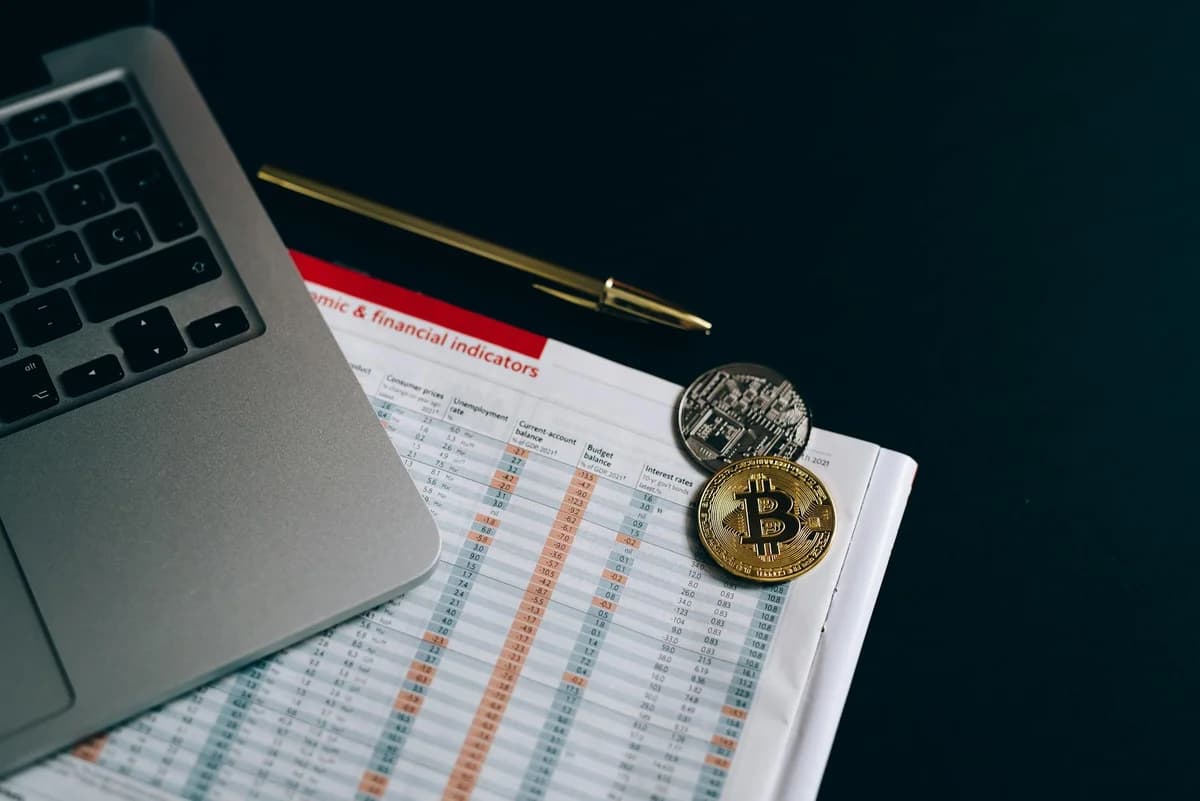
Quantitative Easing: What It Is & Crypto Impact
Quantitative easing is a monetary policy tool used by central banks to stimulate economies by injecting large amounts of money into the financial system. This process often leads to lower interest rates, higher asset prices, and concerns about inflation. For cryptocurrency enthusiasts, quantitative easing has become a key reason why Bitcoin and other digital assets are seen as a hedge against traditional fiat money.
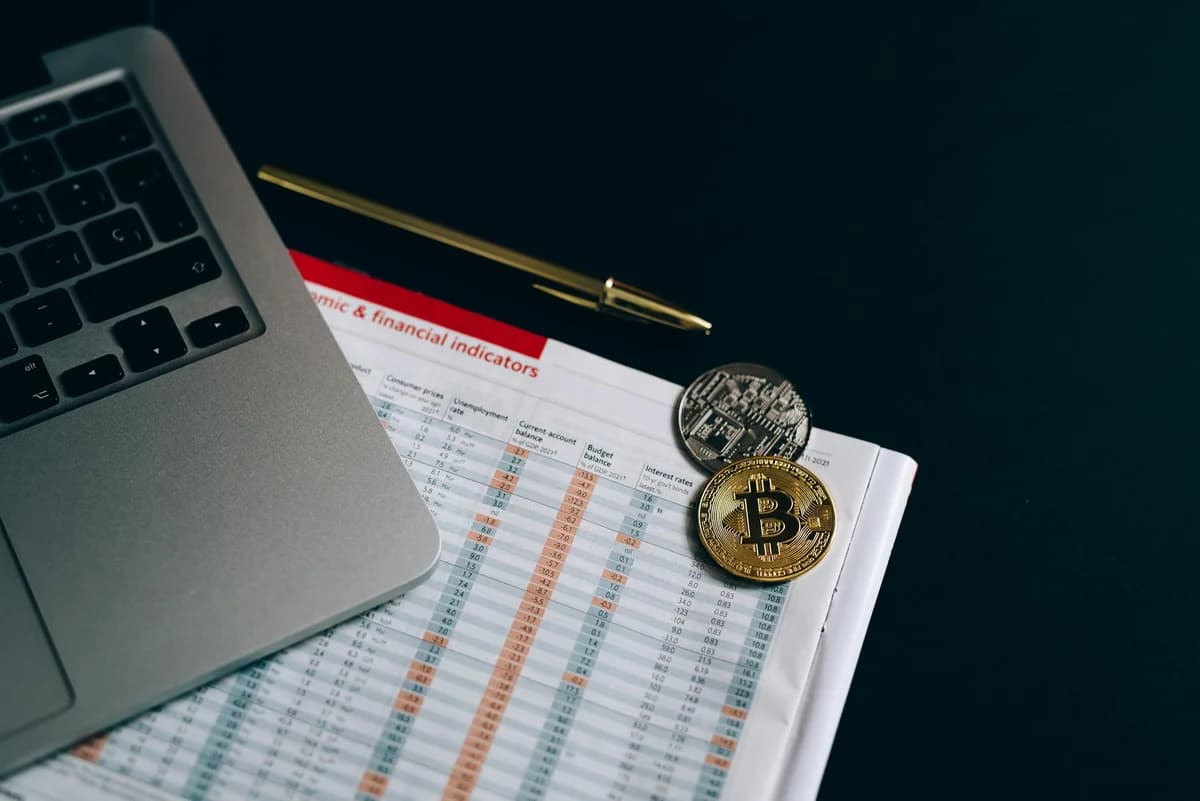
What Is Quantitative Easing?
Quantitative easing (QE) occurs when a central bank, like the U.S. Federal Reserve, creates new money electronically to purchase government bonds or other financial assets from commercial banks. This increases the reserves that banks hold, encouraging them to lend more money to businesses and individuals. The goal is to lower borrowing costs, boost spending, and prevent an economic downturn.
Central banks typically use quantitative easing during recessions or crises when conventional tools—such as cutting interest rates—are no longer effective. For example, during the 2008 financial crisis and the COVID-19 pandemic, major central banks launched massive QE programs. These programs swelled their balance sheets to trillions of dollars, effectively flooding the economy with newly created money.
A simple analogy: imagine a town where the central bank prints 10,000 new bills and gives them to local banks. The banks then lend that money to people who buy houses, cars, and goods. Suddenly, there is more money chasing the same number of homes and cars, so prices rise. That is the inflationary side effect of quantitative easing.
How Quantitative Easing Influences Crypto Markets
The impact of quantitative easing on cryptocurrencies is indirect but powerful. When central banks create new money, the purchasing power of existing fiat currency can diminish over time. Investors then look for stores of value that are not controlled by any government or central bank.
- Inflation hedge narrative: Bitcoin’s fixed supply of 21 million coins makes it an attractive alternative to fiat money that can be printed indefinitely. As QE expands the money supply, more people turn to Bitcoin as a digital gold.
- Increased liquidity: QE pushes money into the financial system, some of which flows into risk assets including crypto. This can drive up prices, though the effect is not guaranteed.
- Weaker dollar correlation: When the U.S. dollar weakens due to QE, Bitcoin often rises in dollar terms because it is priced against global fiat currencies.
- Regulatory attention: Large-scale QE raises questions about monetary stability, prompting some governments to explore or adopt crypto regulations.
Quantitative Easing vs. Crypto Monetary Policy
A clear way to understand the difference is to compare the mechanics of quantitative easing with the fixed supply rules of major cryptocurrencies. The table below highlights key contrasts.
| Feature | Fiat System with QE | Bitcoin / Major Crypto |
|---|---|---|
| Supply control | Central bank can create money at will | Algorithmic cap (e.g., 21 million Bitcoin) |
| Decision‑making | Small group of policymakers | Consensus of network nodes |
| Transparency | Often delayed reports; balance sheets complex | On‑chain, real‑time verification |
| Inflation risk | Potential for high inflation if QE is excessive | Designed to be disinflationary; no new supply after cap |
| Censorship resistance | Government can freeze or seize accounts | Private keys give full control (with proper custody) |
Quantitative easing highlights the contrast between centralized and decentralized monetary systems. While QE is a tool to manage short‑term economic pain, it also exposes the vulnerability of fiat currencies to political decisions. Bitcoin’s code, by contrast, enforces a predictable monetary policy that no central authority can override.
Why Quantitative Easing Drives Crypto Adoption
For many individuals and institutions, each major QE cycle has increased interest in cryptocurrencies. During the COVID‑19 pandemic, for instance, central banks around the world launched unprecedented QE programs. At the same time, Bitcoin and Ethereum saw surges in new users, wallet addresses, and trading volumes—not only because prices rose, but because people questioned the long‑term value of fiat money.
- Institutional investors began adding Bitcoin to their portfolios as an inflation hedge.
- Retail investors in countries with high inflation often turned to stablecoins or Bitcoin to preserve savings.
- Remittance and cross‑border payments became more attractive as QE weakened some currencies against others.
A practical example: a business owner in Argentina, where inflation has been severe partly due to decades of loose monetary policy, may buy Bitcoin to protect revenue. Even small amounts of crypto can provide a store of value that is independent of the local central bank’s printing presses.
💡 Pro Tip: If you hold cryptocurrency as a hedge against quantitative easing, consider using a hardware wallet and storing your private keys offline. Even during market volatility, self‑custody ensures that your assets remain under your control—unlike fiat held in a bank that can be devalued by central bank policies.
Real-World Instances of Quantitative Easing and Their Crypto Aftermath
While no two QE programs are identical, historical patterns suggest a correlation with crypto market movements.
- 2008–2014 (U.S. QE1, QE2, QE3): Bitcoin was created in 2009, directly following the first round of QE. Many early adopters were motivated by the distrust of central banking that QE symbolized. By 2013, Bitcoin’s price had risen from near zero to over $1,000, partly fueled by narratives around fiat debasement.
- 2020–2021 (Global pandemic QE): Central banks added trillions to their balance sheets. Bitcoin went from roughly $7,000 at the start of 2020 to nearly $69,000 by November 2021. While many factors contributed, the flood of money into financial markets is widely considered a major catalyst.
It is important to note that correlation does not equal causation. Cryptocurrencies remain volatile and influenced by many other factors—regulatory news, technology upgrades, and market sentiment. However, the structural link between quantitative easing and crypto demand is hard to ignore.
Key Risks to Consider
While quantitative easing can push people toward crypto, there are also risks.
- Inflation may not materialize as expected: Some economists argue that QE does not always cause high inflation if the money stays within banks (i.e., they don’t lend it out). In those cases, the inflation-hedge argument weakens.
- Central banks can reverse QE (quantitative tightening): When they sell assets or raise interest rates, the money supply contracts. This can cause a “liquidity drain” that hurts risk assets, including crypto.
- Regulatory crackdowns: Governments concerned about crypto bypassing their monetary control may implement stricter rules, especially during periods of high adoption.
Conclusion
Quantitative easing is a central banking tool that expands the money supply and can erode the purchasing power of fiat currency. This dynamic has made cryptocurrencies like Bitcoin increasingly relevant as alternative stores of value. By understanding how quantitative easing works and its potential impact on crypto, beginners can better appreciate why digital assets exist and how they may fit into a diversified strategy. Whether you see QE as a threat or an opportunity, it is a key part of the financial landscape that every crypto enthusiast should learn about.