What Is Market Depth and How to Read It
Learn what market depth is, how to read the order book, and use it to spot support & resistance. Beginner-friendly guide with examples and a depth chart table.

What Is Market Depth and How to Read It
Market depth is a real‑time snapshot of buy and sell orders waiting to be executed on a cryptocurrency exchange. It shows the supply and demand for a token at various price levels, helping traders gauge liquidity and potential price movement. Understanding how to read market depth can improve your entry and exit decisions, whether you are scalping small moves or placing long‑term limit orders.
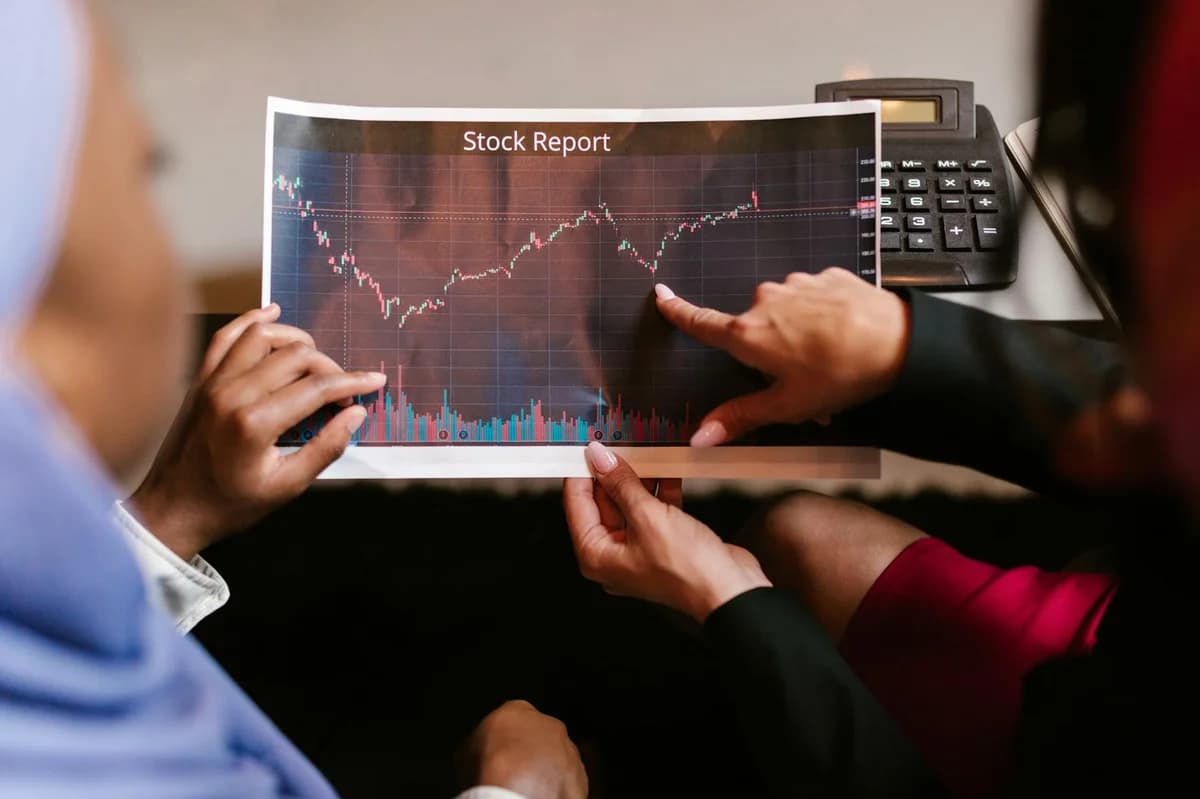
What Market Depth Reveals About Supply and Demand
The core of market depth is the order book, a list of all outstanding buy (bid) and sell (ask) orders sorted by price. The bid side shows the highest price someone is willing to pay, while the ask side shows the lowest price someone is willing to accept. The gap between the highest bid and the lowest ask is the spread. A narrow spread usually indicates high liquidity, meaning you can trade without moving the price much; a wide spread suggests the opposite.
Reading the Depth Chart
Most exchanges display market depth as a visual chart. The horizontal axis represents price levels, and the vertical axis represents the cumulative number of tokens available at or around that price. The bid side typically appears in green (below the current price) and the ask side in red (above the current price). The steeper the curve, the more orders are concentrated at that price level.
- Steep bid side: Strong demand – many buyers are waiting just below the market price, creating a support zone.
- Steep ask side: Strong supply – many sellers are lined up just above the market price, creating a resistance zone.
- Flat or thin areas: Low liquidity – a large order can move the price significantly through that zone.
A practical way to think about it: imagine a market depth chart as a hill of orders. If the bid hill is tall and close to the current price, the market may have a harder time falling. If the ask hill is tall, the market may struggle to rise.
How to Read the Order Book for Market Depth

To read market depth like a trader, you need to look beyond the chart and examine the raw order book data. Exchanges typically show the top 10–50 levels of bids and asks. Each row contains:
| Price Level | Bid Quantity | Cumulative Bid | Ask Quantity | Cumulative Ask |
|---|---|---|---|---|
| 0.05001 | 2,500 tokens | 2,500 | – | – |
| 0.05000 | 4,000 tokens | 6,500 | – | – |
| 0.04999 | 3,200 tokens | 9,700 | – | – |
| 0.05002 | – | – | 1,800 tokens | 1,800 |
| 0.05003 | – | – | 5,100 tokens | 6,900 |
| 0.05004 | – | – | 2,000 tokens | 8,900 |
Example order book snapshot (not real prices).
Key Metrics to Watch
- Market depth size: The total volume of orders within a certain percentage range (e.g., 2% above and below the current price). A larger depth means your order is less likely to cause price slippage.
- Order imbalance: Compare the total bid volume vs. total ask volume. A heavy bid imbalance suggests upward pressure; a heavy ask imbalance suggests downward pressure.
- Spoofing or fake depth: Occasionally, traders place large orders they intend to cancel before execution to manipulate perception. Look for orders that appear and disappear quickly. Genuine market depth tends to remain stable or gradually change.
When you open a trading interface, you can usually click on the order book tab to see this data. Many platforms also allow you to toggle between depth chart and full order book views. Beginners should start with the depth chart for a quick visual, then dig into the order book for precise levels.
Using Market Depth to Identify Support and Resistance

Market depth is not just about liquidity; it also reveals where price may stall or reverse. Large clusters of buy orders form support, while large clusters of sell orders form resistance. Because these orders are real and waiting, they often act as psychological barriers.
Practical Example: Placing a Limit Order
Suppose you want to buy a token, and the current market price is 0.05000. By looking at the order book, you see a large bid wall of 10,000 tokens at 0.04990. This wall suggests strong demand just below the current price. You could place a limit buy slightly above that wall (e.g., 0.04995) to increase the chance of execution while still getting a price below the current market. Conversely, if you see a massive sell wall at 0.05010, you might set your buy order below that wall to avoid being the one who breaks through it.
Identifying Breakout Potential
If the market is approaching a large ask wall (say, 20,000 tokens at 0.05020) and the bid side is relatively thin, the price may struggle to break above that level. Traders watch for absorption: if buyers gradually eat through the wall without the price dropping, it signals strong buying interest and often precedes a breakout. If the price bounces off the wall, the wall acts as resistance.
- Support level detection: Look for multiple bid orders stacked at the same or nearby prices over time.
- Resistance level detection: Look for clusters of ask orders that repeatedly reject price advances.
Remember that market depth is dynamic – orders are constantly placed, filled, and cancelled. Always check the latest snapshot before making a trade. Most professional trading platforms offer Level 2 data, which shows the full depth rather than just the top levels.
Conclusion
Market depth is a powerful tool for understanding real‑time supply and demand in any crypto market. By reading the order book and depth chart, you can identify liquidity zones, anticipate potential support and resistance, and make more informed decisions about where to place your orders. Mastering market depth takes practice, but even beginners can start by comparing the bid and ask volumes before executing a trade. As you gain confidence, combine market depth analysis with other indicators to build a complete trading strategy.