What Is Support and Resistance in Crypto Charts
Learn what support and resistance are in crypto charts, how to identify them, and how to use them for trading. Practical examples and tips for beginners.

What Is Support and Resistance in Crypto Charts
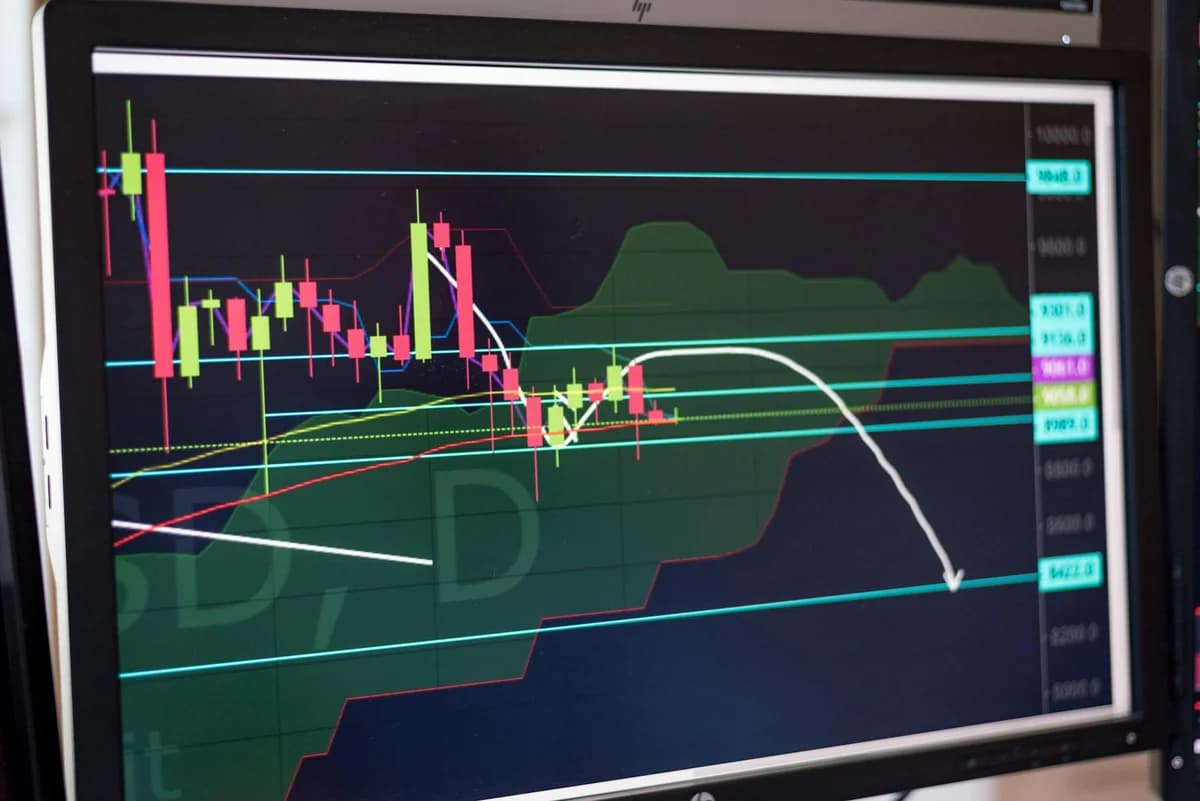
Support and resistance are foundational concepts in crypto chart analysis that help traders identify potential price reversal points. These two forces represent the psychological battle between buyers and sellers, forming invisible barriers where price action tends to pause or reverse.
Understanding Support and Resistance Levels
Support is a price level where buying pressure is strong enough to overcome selling pressure, preventing the price from falling further. Resistance is the opposite—a price level where selling pressure overwhelms buying interest, stopping the price from rising. Think of support as the floor that holds the price up and resistance as the ceiling that pushes the price down.
Traders draw these levels by identifying areas where the price has reversed multiple times in the past. The more times a level is tested without being broken, the stronger it is considered. Here is a quick comparison:
| Feature | Support | Resistance |
|---|---|---|
| Role | Price floor, buying zone | Price ceiling, selling zone |
| Market sentiment | Bullish (buyers in control) | Bearish (sellers in control) |
| When broken | Turns into new resistance | Turns into new support |
| Example in real life | A trampoline that bounces you upward | An umbrella that pushes you downward |
The Psychology Behind the Levels
Support forms because buyers believe the asset is undervalued at that price and step in to accumulate. Resistance forms because sellers believe the asset is overvalued and take profits. These collective actions create self‑fulfilling prophecies—as more traders watch the same levels, their orders reinforce the barriers.
How to Identify Support and Resistance on Crypto Charts
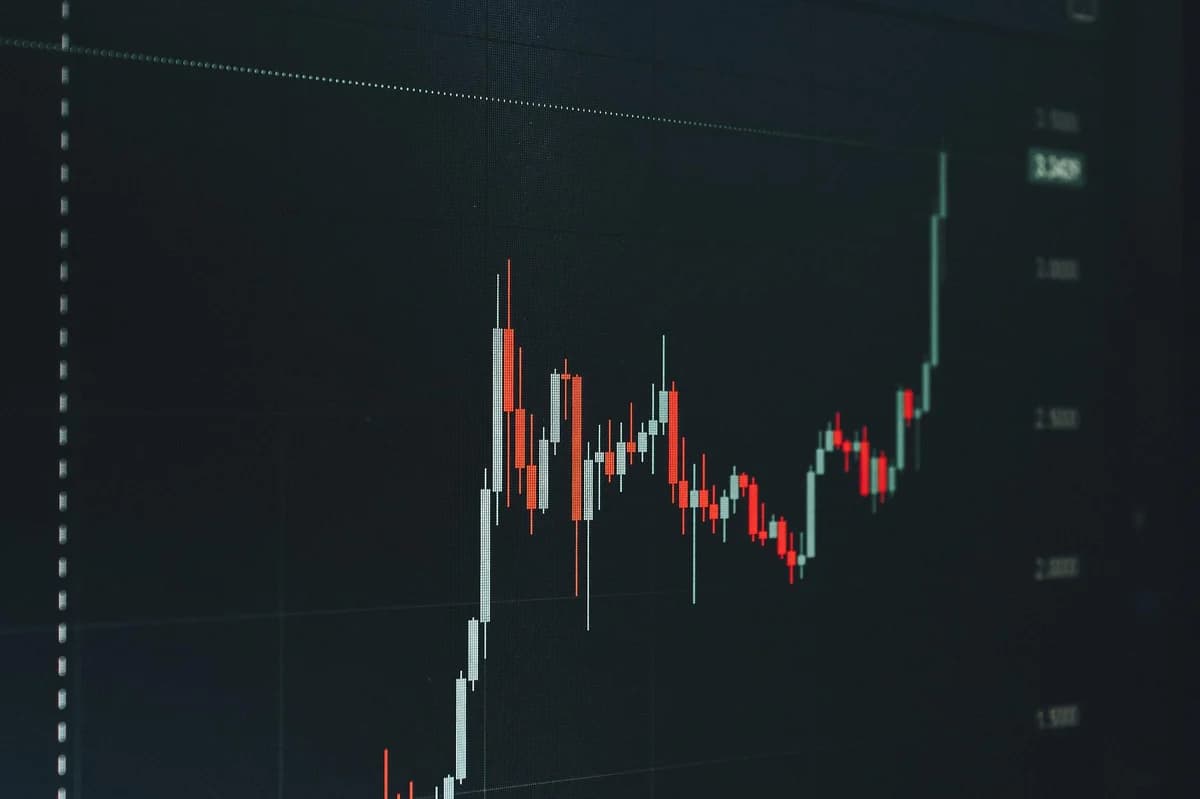
There are several reliable methods to spot these zones. Each approach has its strengths, and combining them increases accuracy.
- Horizontal lines – Scan the chart for price points where the market reversed direction at least two or three times. Draw a straight horizontal line across those highs or lows.
- Trendlines – Connect a series of higher lows to find rising support, or lower highs to find falling resistance. Trendlines are dynamic—they move with the price.
- Moving averages – Popular averages like the 50‑period or 200‑period often act as dynamic support or resistance. Traders watch for bounces off these lines.
- Round numbers – Prices ending in zeros (e.g., 10,000, 50,000, 100,000) attract psychological attention. Even without exact dollar figures, you can spot whole‑number levels on any chart.
Practical example: Imagine a crypto asset’s price repeatedly rises to 0.0005 BTC (a relative level) and then falls back. That 0.0005 mark becomes a resistance zone. If the price finally breaks above it, that same level is expected to act as support on future pullbacks—this is called role reversal.
The Role of Support and Resistance in Trading Decisions
Traders use these levels to plan entries, exits, and risk management. When the price approaches a support zone, a trader might buy (go long) expecting a bounce. When it approaches resistance, they might sell (or exit a long) expecting a rejection.
For stop‑loss placement, support and resistance are vital. A stop‑loss on a long trade is typically placed just below a support level, so if the support fails, the position is closed early. Conversely, a stop‑loss on a short trade sits just above resistance.
Breakouts and Breakdowns
A breakout occurs when the price closes decisively above a resistance level. This signals that buyers have overwhelmed sellers, and the price might continue rising. A breakdown is the opposite—a close below support, indicating potential further decline.
Traders often wait for a retest of the broken level before entering a trade. For example, after resistance becomes support, the price may return to that zone and bounce. This confirmation reduces the risk of false moves.
Limitations of Using Support and Resistance
No tool is perfect. Support and resistance have several pitfalls that beginners must understand:
- Subjectivity – Different traders draw levels differently. What one trader sees as a strong support, another might ignore. This can lead to conflicting signals.
- False breakouts – The price may briefly pierce a level and then reverse. This is known as a fakeout or whipsaw. Without confirmation (e.g., a full candle close beyond the level), a breakout is not reliable.
- Timeframe dependence – A support on a 1‑hour chart may be irrelevant on a daily chart. Always match your analysis to your trading timeframe.
- Market noise – Crypto markets are volatile. Sudden news or large orders can smash through levels that seemed solid. No level is guaranteed to hold.
Support and Resistance: Practical Tips for Beginners
Applying these concepts effectively requires practice and a systematic approach. Start with these guidelines:
- Focus on major levels – Ignore minor zigzags. Look for price points that have been tested at least three times.
- Combine with volume – A breakout with high trading volume is more trustworthy than one on low volume. Volume acts as a confirmation filter.
- Use multiple timeframes – Draw support and resistance on a higher timeframe (daily or weekly) to see the big picture, then zoom in to a lower timeframe (1‑hour or 4‑hour) for entry precision.
- Keep it simple – Beginners often clutter charts with dozens of lines. Stick to three to five key levels per asset.
- Paper trade first – Practice identifying and trading around support and resistance on a demo account before risking real funds.
💡 Pro Tip: Mark your support and resistance levels as horizontal zones, not single lines. A zone of around 1–2% width accounts for market noise and reduces the chance of being stopped out by a temporary spike.
Conclusion
Support and resistance are the building blocks of technical analysis in crypto trading. Support and resistance help traders anticipate where price might pause or reverse, enabling smarter entry and exit decisions. While no method is foolproof, mastering these concepts gives beginners a clear edge in understanding market psychology. Start by drawing simple horizontal levels on a Bitcoin or Ethereum chart, note how the price reacts, and gradually incorporate trendlines and moving averages. With consistent practice, reading support and resistance becomes second nature.