Ronin Bridge Hack: What Happened to Axie Infinity?
Learn what the Ronin Bridge hack was, how attackers stole crypto from Axie Infinity's sidechain, and key security lessons for beginners using crypto bridges.
Ronin Bridge Hack: What Happened to Axie Infinity?
Ronin Bridge hack was one of the largest cryptocurrency thefts in history, draining the bridge that let players move assets between Axie Infinity and Ethereum. This event shook the crypto gaming world and revealed how a single point of control could break even a supposedly decentralized bridge. Let's dive into the full story and what it means for anyone using blockchain bridges.

Understanding the Ronin Bridge Hack: Context and Background
To understand the Ronin Bridge hack, you first need to know why the Ronin network was created. Axie Infinity is a popular blockchain game where players collect, breed, and battle fantasy creatures called Axies. Because Ethereum's main network could become very expensive during peak usage, the game's developer, Sky Mavis, built a sidechain called Ronin. This sidechain processed transactions much faster and with lower fees.
A bridge is a smart contract that allows users to deposit tokens on one blockchain (Ethereum) and receive equivalent tokens on another (Ronin). The Ronin bridge used a proof-of-authority consensus model, meaning a small group of validators approved all transactions. Specifically, nine validators were responsible for verifying withdrawals, and any withdrawal needed signatures from five of them. This design was intended to balance speed and security.
How the Ronin Bridge Hack Actually Worked
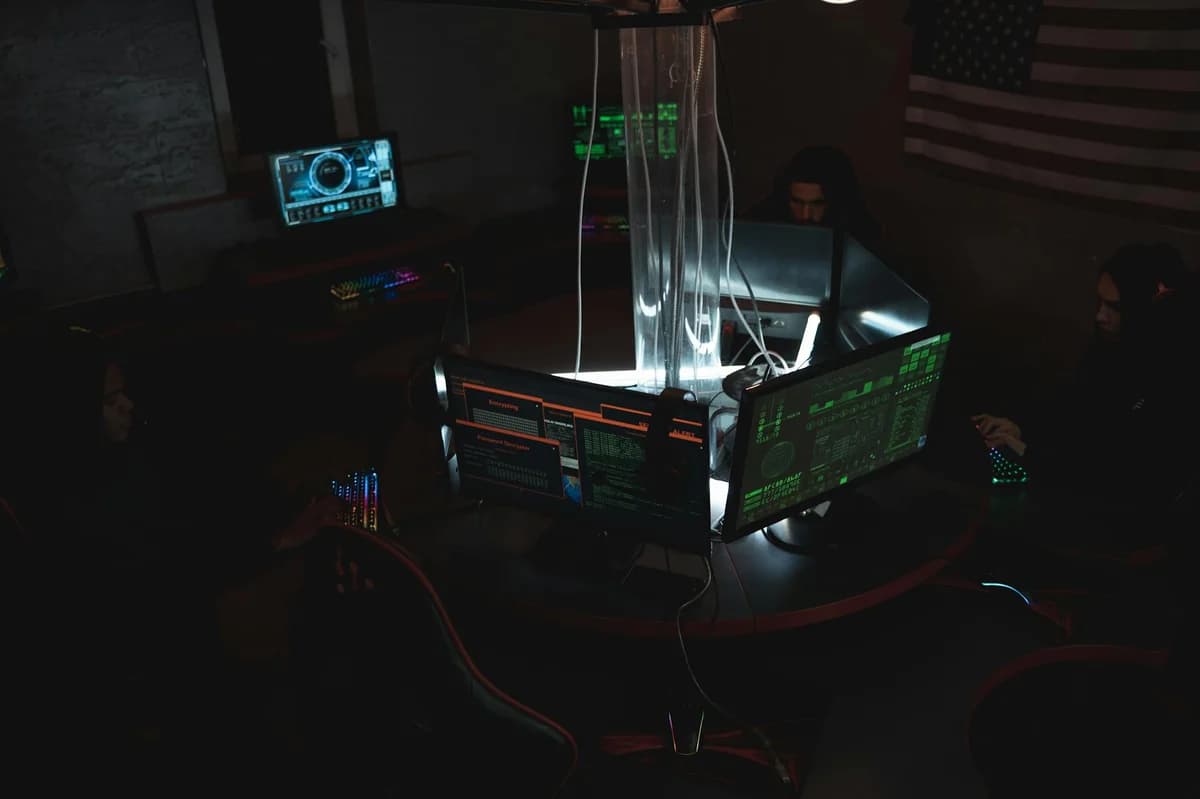
The attack exploited a critical weakness in the validator setup. Hackers used social engineering to gain access to Sky Mavis's internal systems. They posed as recruiters and sent a fraudulent job offer to a senior engineer. Once the engineer opened the malicious file, the hackers gained remote access to Sky Mavis's IT infrastructure. This technique is detailed in several post-mortem analyses, including a report by The Block.
From there, they compromised four of the nine validator nodes — all owned by Sky Mavis. The fifth validator was run by the Axie DAO, a community organization. However, Sky Mavis had previously granted itself backdoor access to the Axie DAO's validator key in order to pay gas fees on its behalf. The hackers used this backdoor to obtain the fifth signature. With five keys in hand, they were able to approve a fraudulent withdrawal of 173,600 ETH and 25.5 million USDC — a staggering amount.
The withdrawal was executed on March 23, 2022, but the theft wasn't discovered until nearly a week later, when a user tried to withdraw funds and couldn't.
Immediate Fallout After the Ronin Bridge Hack

The consequences were immediate and severe:
- All bridge deposits and withdrawals were halted, trapping millions of dollars in user assets.
- The Axie Infinity marketplace and breeding mechanics were disrupted because players could not move tokens.
- Major exchanges like Binance froze related funds to prevent the hackers from cashing out.
- The price of Axie Infinity's in-game tokens dropped sharply in relative terms.
The crypto community reacted with shock, as the hack highlighted how centralized validator sets could be exploited. The total amount stolen made it one of the largest DeFi hacks of all time.
Recovery and Security Changes Post-Ronin Bridge Hack
Sky Mavis quickly raised funds from investors, including a significant contribution from Binance, to reimburse affected users. The team committed to making all victims whole, and the bridge was eventually reopened after a thorough security overhaul. Sky Mavis published a full account of the hack and recovery on their official response page.
Key changes implemented after the hack include:
- Increased the number of validators from 9 to 11, raising the signature threshold to 6 out of 11.
- Removed all backdoor access to validator keys.
- Required hardware security modules (HSMs) to store validator keys, making them much harder to steal remotely.
- Onboarded more independent validators to reduce Sky Mavis's control.
The following table summarizes the security improvements:
| Security Feature | Before Hack | After Hack |
|---|---|---|
| Number of validators | 9 | 11 |
| Signature threshold | 5 of 9 | 6 of 11 |
| Independent validators | 4 | 7 |
| Backdoor access to DAO key | Yes | Removed |
| Hardware security modules | No | Mandatory |
💡 Pro Tip: Before using any crypto bridge, check if the validators are truly independent. Look for bridges that use a decentralized validator set where no single entity controls more than one key. Also, never keep large amounts of tokens in a bridge for longer than necessary.
Key Lessons from the Ronin Bridge Hack for Beginners
The Ronin Bridge hack offers several important lessons:
- Bridges are high-risk targets. Bridges connect different blockchains, making them attractive to attackers. Always research a bridge's security history before depositing funds.
- Centralization is a vulnerability. A system with nine validators might look decentralized, but if one company controls four of them and has backdoor access to a fifth, the system is effectively centralized.
- Delayed detection magnifies losses. The hack wasn't noticed for six days. Use block explorers and monitoring tools to check the status of your transactions.
- Recovery is not guaranteed. While Sky Mavis reimbursed users, many hacks do not result in full recovery. Only risk what you can afford to lose.
- Security audits are not enough. The Ronin bridge had been audited, but the social engineering component bypassed technical controls. Security must cover both code and human processes.
The Ronin Bridge hack remains a cautionary tale about the risks of centralized security in decentralized systems. For beginners, the key takeaway is to treat bridges with caution, diversify where you hold assets, and stay informed about the security practices of the platforms you use.
RELATED ARTICLES
Ronin Bridge Hack: What Happened to Axie Infinity?