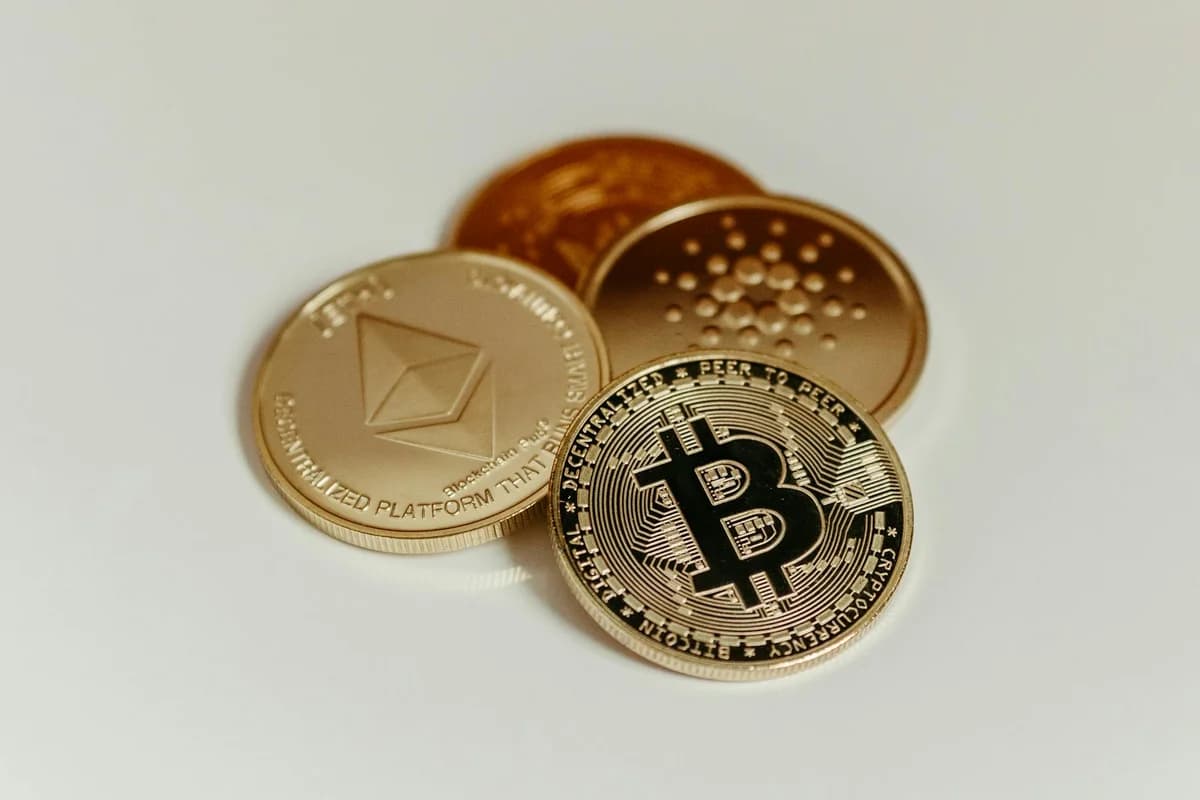
BTC vs ETH, CEX vs DEX: Crypto Basics
Learn crypto basics with clear comparisons: Bitcoin vs Ethereum, CEX vs DEX, hot vs cold wallets, and Solana vs Ethereum. Practical examples for beginners.
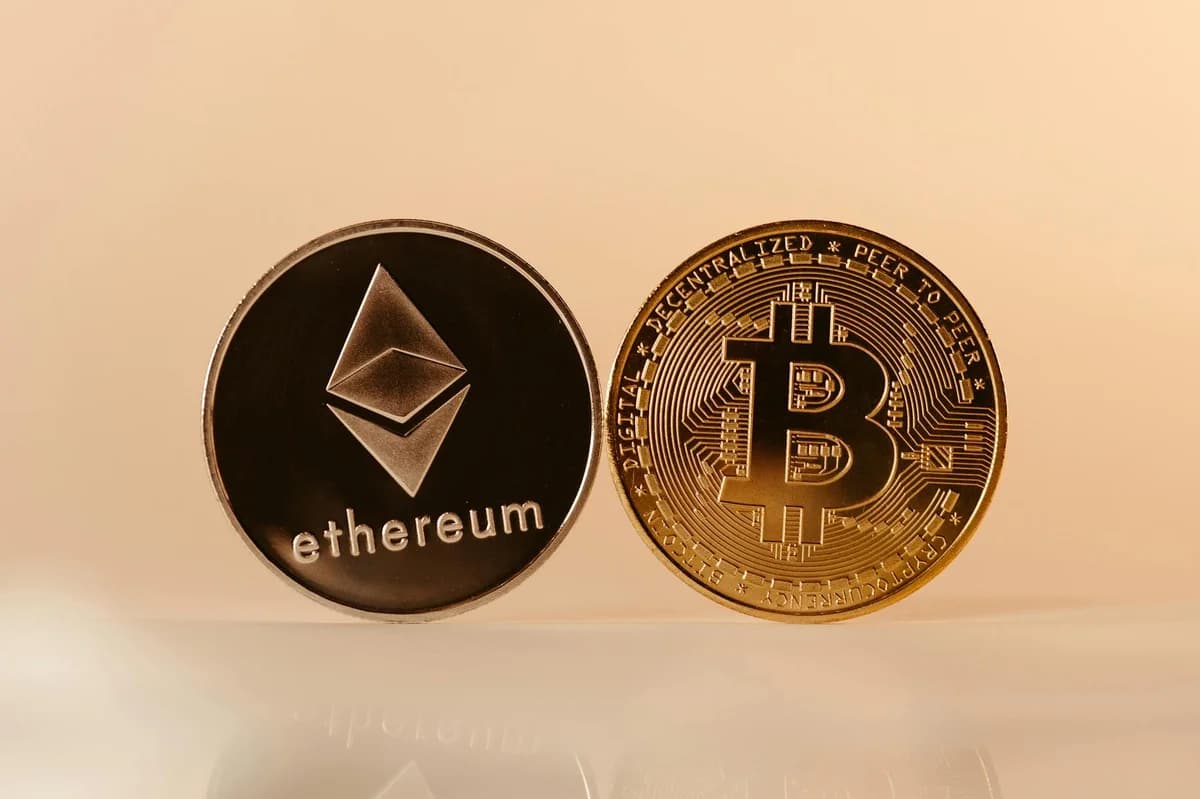
BTC vs ETH, CEX vs DEX: Crypto Basics
Crypto basics start with understanding the key choices every user faces: which cryptocurrency to use, which exchange to trade on, and how to store funds safely. Bitcoin and Ethereum, centralized and decentralized exchanges, hot and cold wallets, and even competing blockchains like Solana and Ethereum each serve different needs. This guide breaks down these four critical comparisons with practical examples so you can make informed decisions.
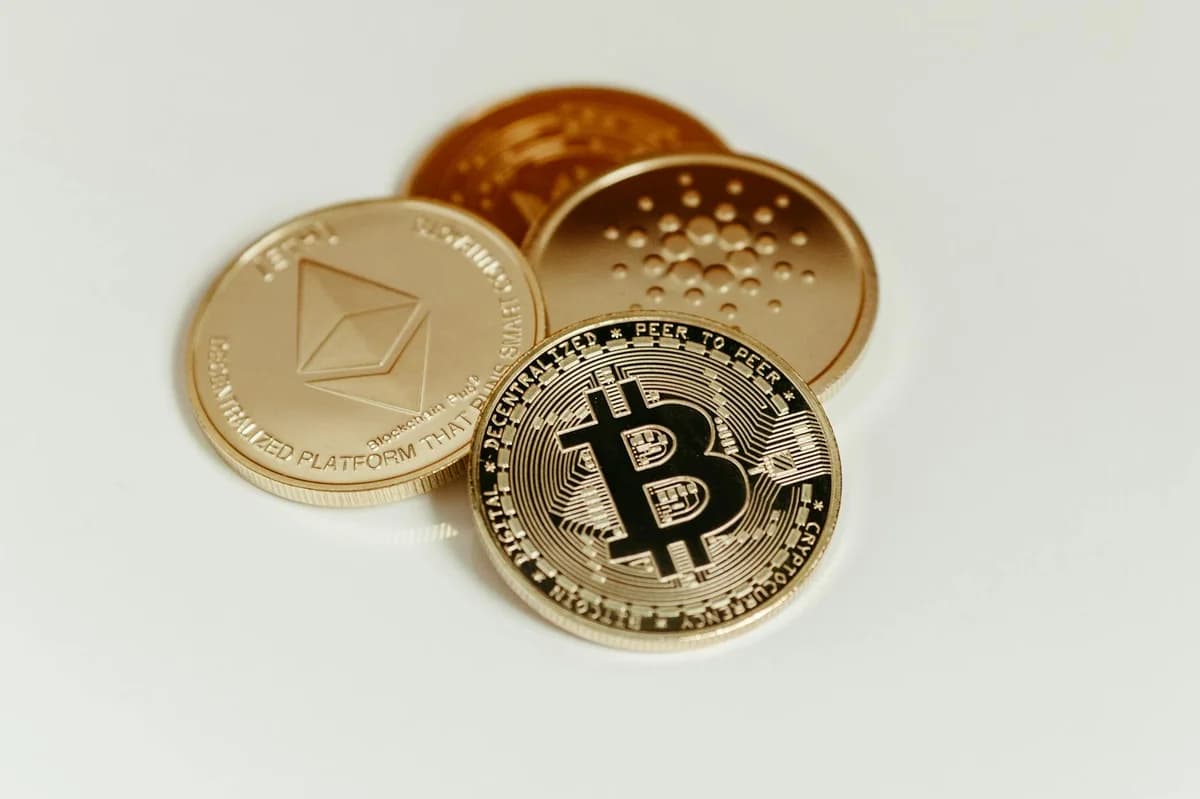
Crypto Basics: Bitcoin vs Ethereum — Purpose & Technology
Bitcoin was created as digital cash — a peer-to-peer system for transferring value without a bank. Think of it like a gold-like store of value: its supply is capped at 21 million coins, and transactions are processed roughly every 10 minutes. Ethereum, on the other hand, is a programmable blockchain that lets developers build apps (called smart contracts) on top of it. If Bitcoin is a digital piggy bank, Ethereum is a digital vending machine that can run any kind of program.
Practical example: You want to send money to a friend across the world. Bitcoin is like mailing a heavy gold coin — it’s secure and reliable, but the delivery is slow (10–30 minutes for confirmation). Ethereum is like sending a check that also carries a small instruction — you could, for instance, program it to release the funds only after your friend confirms receipt. This programmability is why Ethereum powers most NFTs and DeFi applications today.
Both use proof-of-work (Bitcoin) and proof-of-stake (Ethereum since 2022) to secure the network, but Ethereum’s shift to proof-of-stake made it far more energy-efficient. When choosing between them, consider your goal: store of value → Bitcoin; interaction with decentralized apps → Ethereum.
| Feature | Bitcoin | Ethereum |
|---|---|---|
| Primary purpose | Digital gold / value transfer | Programmable smart-contract platform |
| Supply cap | 21 million (fixed) | No fixed cap (but issuance reduces over time) |
| Transaction speed | ~7 TPS (transactions per second) | ~15–30 TPS (before layer-2 scaling) |
| Energy use | High (proof-of-work) | Low (proof-of-stake) |
| Key use case | Payments, savings | DeFi, NFTs, dApps |
Centralized vs Decentralized Exchanges: Crypto Basics on Trust & Control
A centralized exchange (CEX) is like a traditional bank — you deposit your crypto or fiat, and the exchange holds it for you. Coinbase and Binance are examples. They offer fast trades, high liquidity, and user-friendly interfaces, but you do not control your private keys — the exchange does. If the exchange gets hacked or freezes withdrawals, your funds could be at risk.
A decentralized exchange (DEX) is like a farmer’s market where you trade directly with other people without a middleman. Uniswap and SushiSwap are popular DEXs. You connect your own wallet (see next section) and swap tokens through automated smart contracts. No one holds your funds — you remain in control, but trades can be slower and fees might be higher during network congestion.
Practical example: You want to buy $50 worth of a new altcoin. On a CEX, you sign up, pass KYC (identity verification), deposit fiat, and buy instantly — the exchange matches you with a seller. On a DEX, you find a token’s address, connect your wallet, and approve a swap. The DEX finds liquidity from other users’ pooled funds. If the token is obscure, the DEX may have very little liquidity, causing you to pay a huge premium — something that rarely happens on a busy CEX.
Choose a CEX for convenience and beginner friendliness; choose a DEX for full ownership and privacy.
Hot Wallets vs Cold Wallets: Crypto Basics for Security
A hot wallet is connected to the internet — think of it like a checkbook you carry in your pocket. Mobile apps (MetaMask, Trust Wallet) or browser extensions are hot wallets. They’re convenient for daily spending and quick trades, but because they’re online, they are more vulnerable to malware, phishing, and hacks.
A cold wallet is offline storage — like a safe deposit box in your bank’s vault. Hardware devices (Ledger, Trezor) or even a piece of paper with your private key written on it (paper wallet) count as cold wallets. They are nearly immune to remote attacks, but you must physically protect them from loss, theft, or damage.
Practical example: Imagine you have 10 cans of soda in a cooler at a picnic (hot wallet) — easy to grab one when you’re thirsty, but anyone could walk off with the whole cooler. Your backup stash of 90 cans is locked in a basement vault (cold wallet) — safe but requires effort to retrieve. In crypto, you might keep a small amount (e.g., $100 worth) in a hot wallet for daily use, and store the bulk of your savings in a cold wallet.
- Hot wallet pros: Easy access, free to set up, great for small balances
- Hot wallet cons: Online exposure, risk of hacks
- Cold wallet pros: Maximum security, private keys never connect to the internet
- Cold wallet cons: Initial cost (hardware wallet), less convenient for quick transactions
Solana vs Ethereum: Crypto Basics on Speed and Cost
Ethereum’s main network processes around 15–30 transactions per second (TPS). During popular NFT mints or DeFi frenzies, the network gets congested, and transaction fees can become very expensive — sometimes costing more than the trade itself. Solana was built to solve this: it claims a theoretical throughput of over 50,000 TPS and fees that are often less than one cent.
Practical example: You want to swap tokens on Ethereum. You might need to pay a small fee during quiet hours, but on a busy day that fee could spike to the equivalent of several cups of coffee for a single transaction. On Solana, the fee stays microscopically low regardless of network activity — you could perform hundreds of swaps for the cost of one on Ethereum.
However, speed and low cost come with trade-offs. Solana’s design is more centralized than Ethereum’s in some ways (fewer validators, higher hardware requirements), and it has experienced several network outages that lasted hours. Ethereum, while slower, has a larger, more battle-tested ecosystem of developers, tools, and security audits.
When choosing a blockchain for your project or dApp, consider:
- Need low fees & high speed? Solana is a strong candidate.
- Need proven security & wide adoption? Ethereum remains the default choice.
- Willing to trade decentralization for performance? Solana’s trade-off may be acceptable for gaming or microtransactions.
Conclusion
Crypto basics are not just theory — they guide your real-world decisions about which coins to buy, where to trade, and how to store your assets. Bitcoin offers stability and simplicity, while Ethereum provides programmability and a vast ecosystem. Centralized exchanges win on ease of use, but decentralized exchanges give you full control. Hot wallets are convenient for small amounts, cold wallets protect your long-term holdings. And when picking between blockchains, Solana dazzles with speed, while Ethereum offers proven reliability. By understanding crypto basics, you can navigate this space with confidence and avoid costly mistakes.