Crypto Basics: BTC vs ETH, CEX vs DEX, Wallets
Learn Bitcoin vs Ethereum, centralized vs decentralized exchanges, hot vs cold wallets, and Solana vs Ethereum in this beginner-friendly crypto guide with practical examples.
Crypto Basics: BTC vs ETH, CEX vs DEX, Wallets
Crypto basics cover the essential comparisons every newcomer needs to understand before investing or using digital assets. From deciding between Bitcoin and Ethereum to choosing the right exchange or wallet, these foundational concepts shape your entire crypto experience.
Bitcoin vs Ethereum: A Crypto Basics Comparison
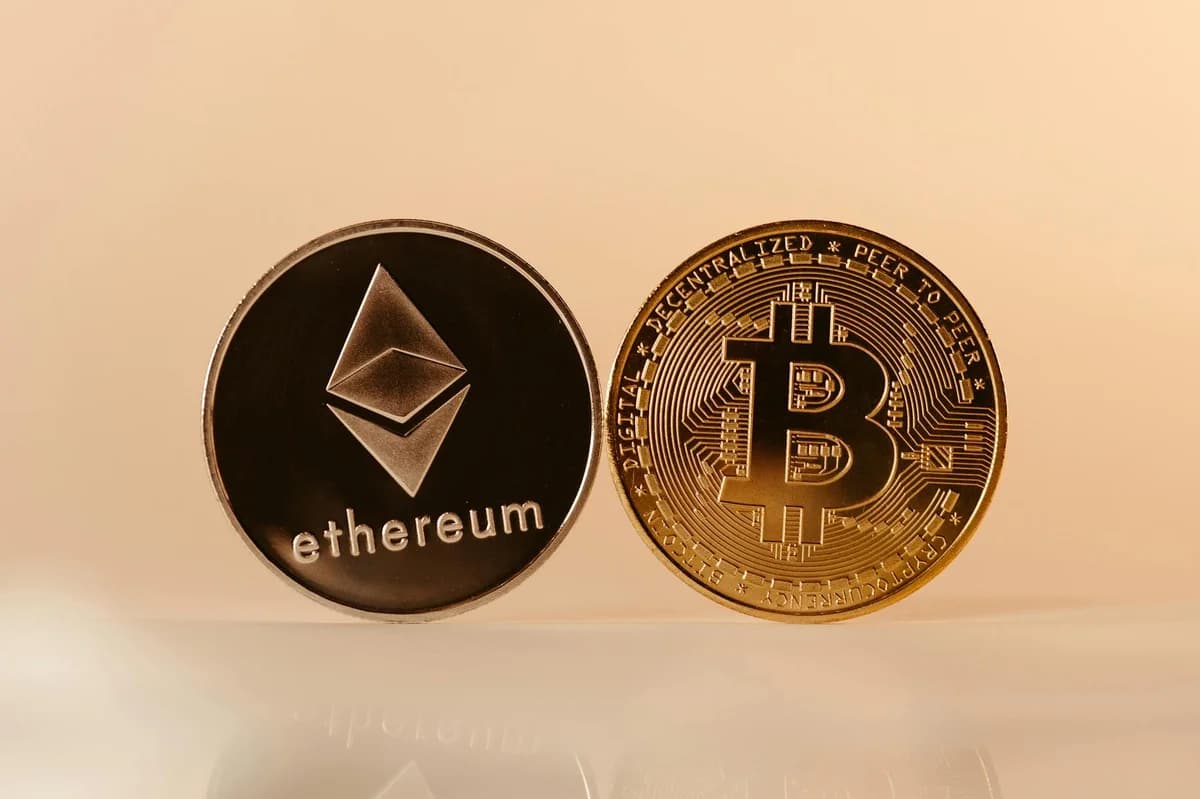
Bitcoin was designed as a peer-to-peer digital cash system, while Ethereum introduced smart contracts that enable decentralized applications. Both are large-cap cryptocurrencies, but they serve very different purposes.
How They Work
- Bitcoin (BTC) uses the Proof of Work consensus mechanism, where miners solve complex puzzles to validate transactions. This makes Bitcoin highly secure but energy-intensive.
- Ethereum (ETH) shifted to Proof of Stake in 2022, using validators who lock up their coins to secure the network. This change drastically reduced energy consumption and opened the door for faster upgrades.
Use Cases
| Feature | Bitcoin | Ethereum |
|---|---|---|
| Primary purpose | Digital gold / store of value | Smart contracts & dApps |
| Transaction speed | ~7 transactions per second | ~15–30 TPS (with layer-2 scaling) |
| Fee variability | Low under normal load but can spike | Can become very expensive during congestion |
| Supply cap | 21 million coins | No fixed cap (but issuance rate decreases) |
For a beginner, holding Bitcoin is often compared to owning a scarce collectible, while Ethereum feels more like buying a stake in a global computer that runs everything from games to lending platforms.
Practical example: If you want to send value across borders with minimal counterparty risk, Bitcoin is a proven choice. If you want to interact with a DeFi lending protocol or mint an NFT, you need Ethereum (or a compatible token like USDC on Ethereum).
Centralized vs Decentralized Exchanges in Crypto Basics
Exchanges are your gateway to buying and selling crypto. The choice between a CEX and a DEX affects your control, fees, and security.
Centralized Exchanges (CEX)
CEXs like Coinbase or Binance act as middlemen. You deposit fiat or crypto, and the exchange matches your orders. They offer high liquidity and user-friendly interfaces, but you don’t hold your private keys — the exchange does.
- Pros: Fast onboarding, bank transfers, customer support, high liquidity.
- Cons: You rely on the exchange’s security; hacks (like FTX) can result in total loss.
- Best for: Newcomers who want to buy their first Bitcoin with a credit card.
Decentralized Exchanges (DEX)
DEXs like Uniswap or Raydium let you trade directly from your wallet using smart contracts. You retain full custody of your funds at all times.
- Pros: No need to trust a third party; no account registration; resistant to shutdowns.
- Cons: Lower liquidity for obscure tokens; transaction fees can be higher during congestion; no customer support if you send funds to the wrong address.
- Best for: Experienced users who understand gas fees and wallet management.
Practical example: If you receive $50 worth of ETH from a friend and want to swap it for USDC, a DEX lets you do it in seconds without creating an account. But if you’re converting your first $100 of fiat into crypto, a CEX is usually simpler and cheaper.
Hot Wallet vs Cold Wallet: Crypto Basics for Security
A wallet stores your private keys, which prove ownership of your cryptocurrencies. The main distinction is between hot (online) and cold (offline) storage.
Hot Wallets
Hot wallets are connected to the internet — examples include browser extensions like MetaMask or mobile apps like Trust Wallet. They are convenient for daily transactions but vulnerable to phishing attacks, malware, and browser exploits.
- Use for: Small amounts you plan to spend or trade often.
- Risks: If your device is compromised, your funds can be stolen.
Cold Wallets
Cold wallets keep your private keys completely offline. Hardware wallets (Ledger, Trezor) and paper wallets fall into this category. They require physical access to sign transactions, making them immune to online threats.
- Use for: Long-term savings or large stacks you don’t move frequently.
- Trade-off: Less convenient — you need the device handy and must protect it from physical damage or loss.
| Wallet Type | Security | Convenience | Typical Use |
|---|---|---|---|
| Hot wallet | Low (online) | High | Daily spending, DeFi interactions |
| Cold wallet | High (offline) | Low | Savings, long-term holding |
Practical example: Think of your hot wallet like the cash in your pocket — enough for a coffee run. Your cold wallet is like a home safe for your emergency fund and jewelry. Never keep more in a hot wallet than you’re willing to lose in a single hack.
Solana vs Ethereum: Crypto Basics for Speed and Cost
Both Solana and Ethereum support smart contracts and dApps, but they take radically different approaches to scalability.
- Solana uses a unique Proof of History consensus combined with Proof of Stake to process thousands of transactions per second at a fraction of a cent. This speed makes it attractive for high-frequency trading, gaming, and NFT mints that would be prohibitively expensive on Ethereum.
- Ethereum prioritizes decentralization and security. Its mainnet can handle only ~15–30 TPS, but layer-2 solutions (Arbitrum, Optimism) bundle transactions and settle them back to Ethereum, offering fast, cheap transactions while inheriting Ethereum’s security.
Key differences:
- Solana has experienced several network outages, raising concerns about reliability.
- Ethereum’s ecosystem is more mature, with deeper liquidity and a wider variety of dApps.
- Developer activity is high on both, but Ethereum remains the dominant platform for DeFi and NFT projects.
Practical example: If you want to trade meme coins or play a blockchain game that requires instant finality, Solana’s low fees are a clear advantage. If you need to use a major lending protocol like Aave or a blue-chip NFT marketplace like OpenSea, Ethereum (or one of its layer-2s) is currently the only option.
Conclusion
Crypto basics like understanding the differences between Bitcoin and Ethereum, choosing a CEX or DEX, using hot or cold wallets, and comparing Solana vs Ethereum give you the confidence to navigate the space safely. Start with a small amount on a reputable CEX, move long-term holdings to a cold wallet, and explore DEXs and new blockchains only after you grasp the trade-offs. Always prioritize security over shortcuts — the crypto world rewards careful learners.