Crypto Basics: BTC vs ETH, CEX vs DEX, Hot vs Cold
Learn crypto basics: Bitcoin vs Ethereum, CEX vs DEX, hot vs cold wallets, and Solana vs Ethereum. Clear explanations and practical examples for beginners.
Crypto Basics: BTC vs ETH, CEX vs DEX, Hot vs Cold
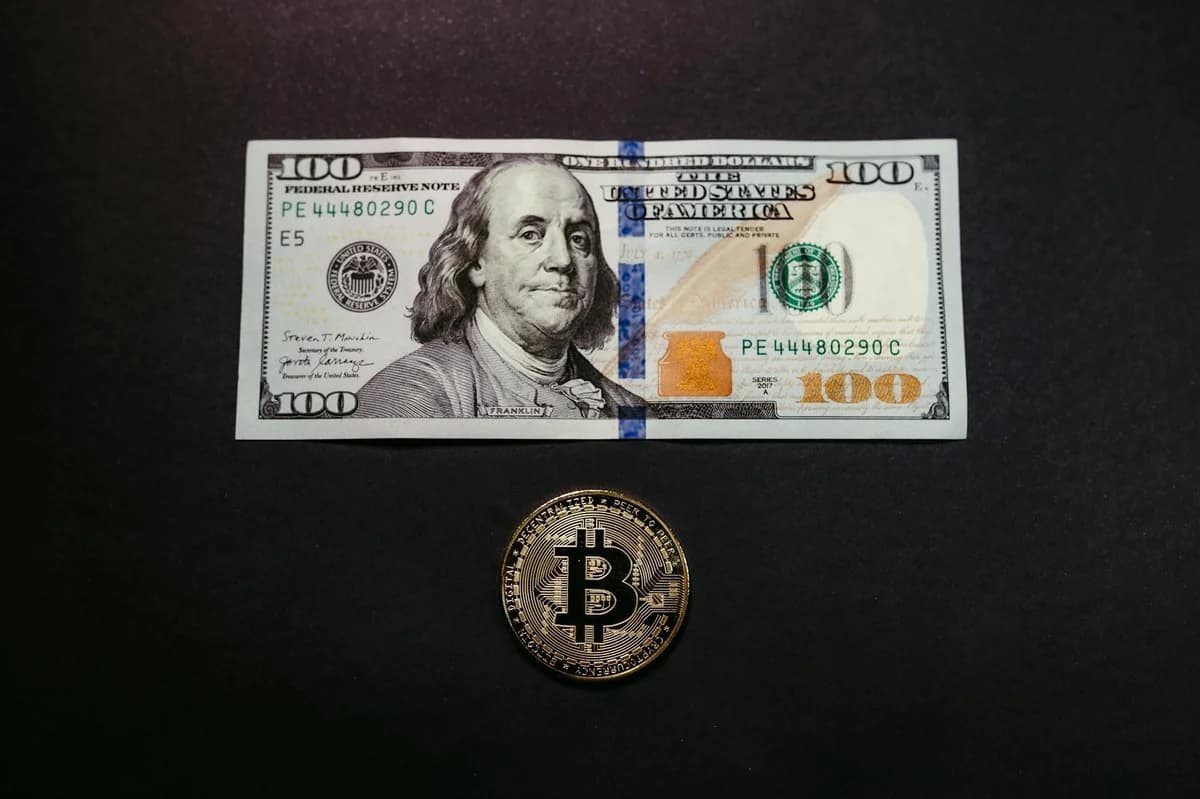
Crypto basics cover the foundational comparisons every beginner must understand: Bitcoin vs Ethereum, centralized vs decentralized exchanges, hot vs cold wallets, and Solana vs Ethereum. These distinctions shape how you trade, store, and invest in digital assets. Without a clear grasp of each pair, you risk losing funds, paying high fees, or choosing the wrong blockchain for your goals.
Why Bitcoin (BTC) and Ethereum (ETH) Are Different – Crypto Basics for Blockchains
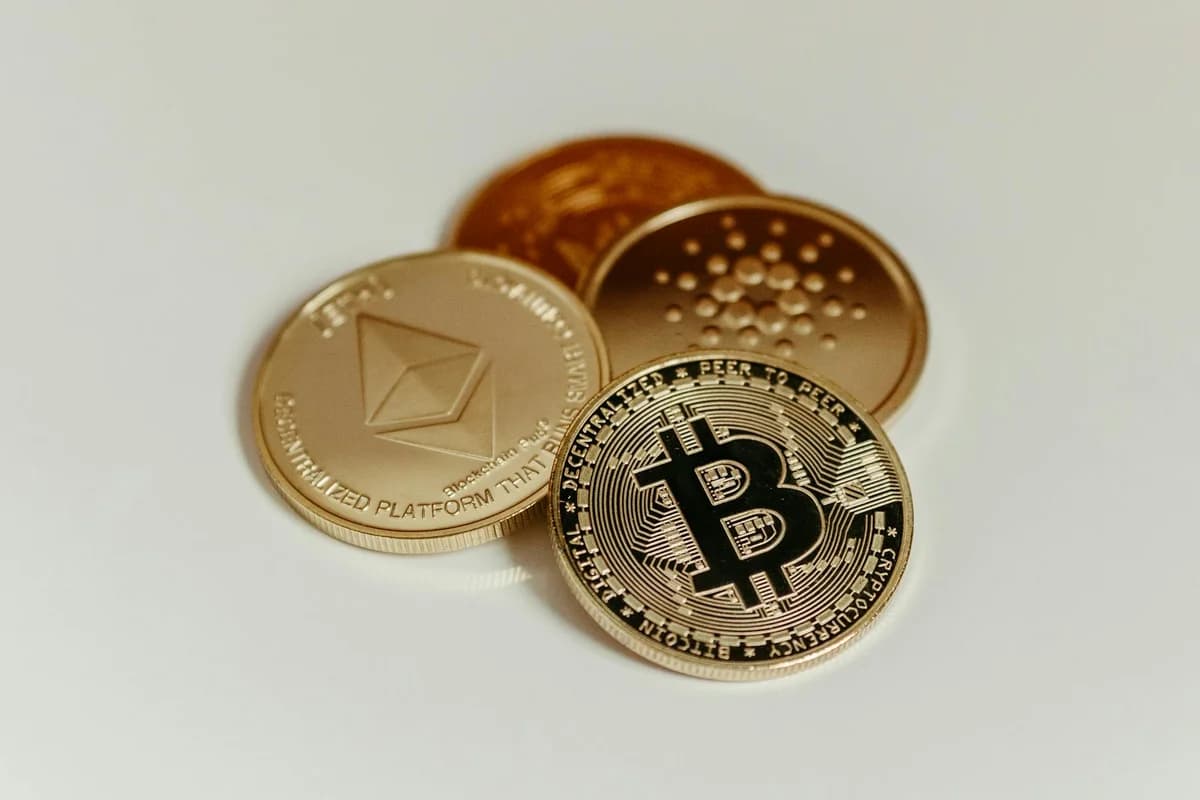
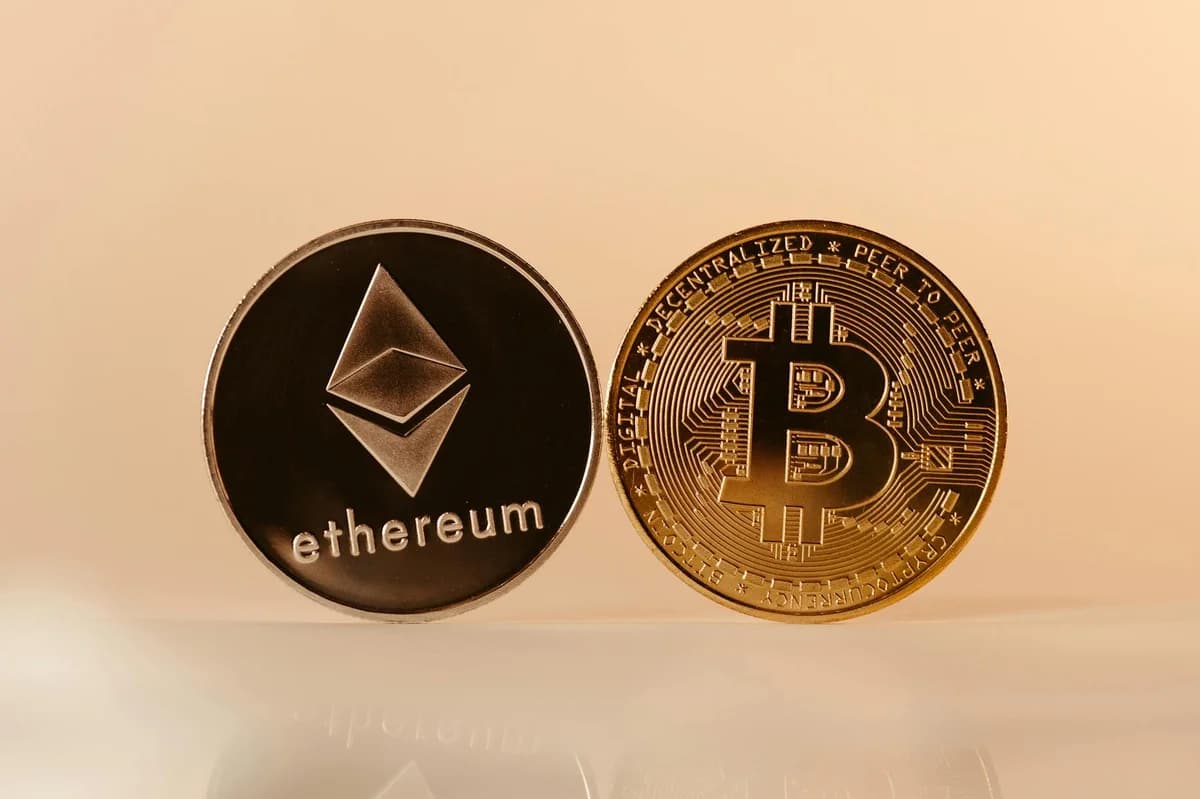
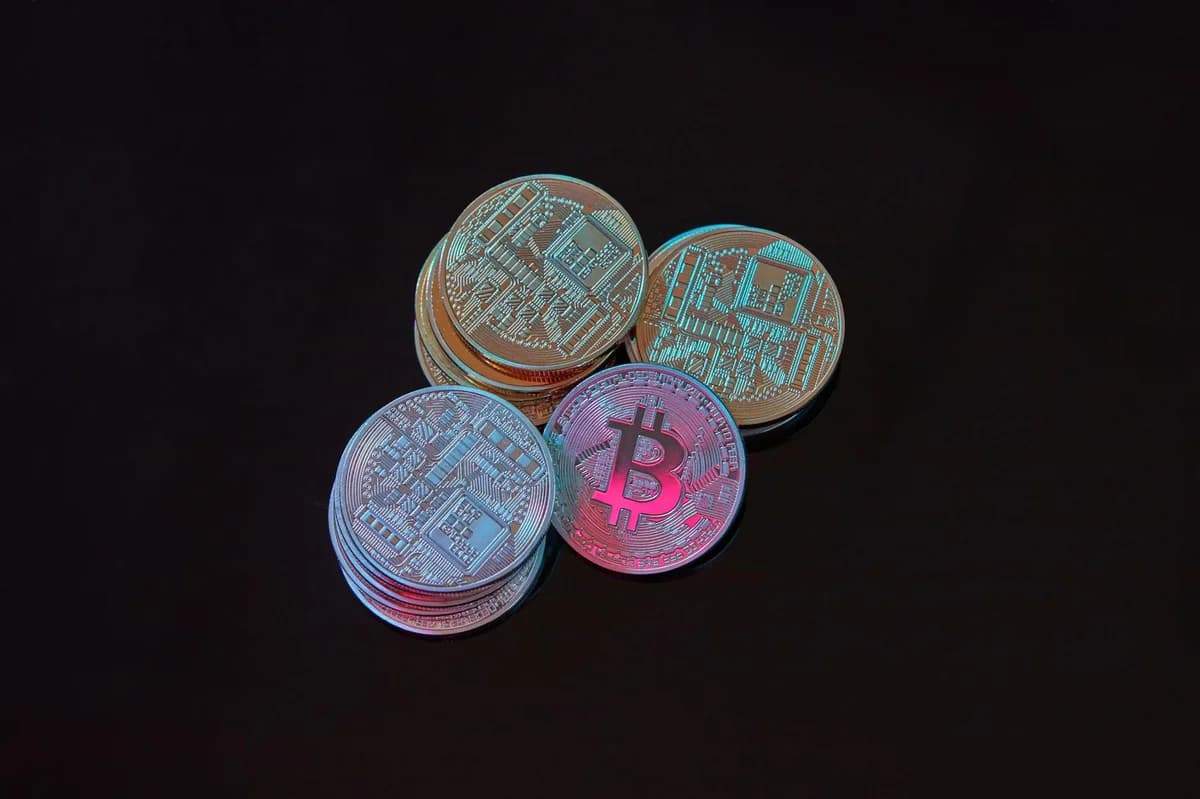
Bitcoin is often called “digital gold” because it was designed as a peer-to-peer electronic cash system with a fixed supply of 21 million coins. Its primary use case is store of value – moving and holding wealth outside traditional banking. Bitcoin’s blockchain uses a simple script language for transactions, intentionally limited for security.
Ethereum introduced smart contracts, allowing developers to build decentralized applications (dApps) on top of its blockchain. Ethereum’s native currency, Ether (ETH), powers these contracts and pays for computation via “gas.” Unlike Bitcoin, Ethereum has no hard supply cap; instead, it uses a burn mechanism that sometimes makes Ether deflationary.
Key differences at a glance:
- Consensus mechanism: Bitcoin uses Proof of Work (mining); Ethereum uses Proof of Stake (validators).
- Supply: Bitcoin is capped at 21 million coins; Ethereum currently has no fixed cap (but burns a portion of fees).
- Transaction speed: Bitcoin processes about 7 transactions per second; Ethereum handles around 15–30 (more with Layer 2 solutions).
- Programmability: Bitcoin is limited; Ethereum is fully programmable.
💡 Pro Tip: If you want a reliable, long-term asset akin to digital gold, Bitcoin is your choice. If you need to interact with dApps, lend, borrow, or mint NFTs, Ethereum is the more flexible platform.
Crypto Basics for Trading: Centralized vs Decentralized Exchanges

Centralized exchanges (CEXs) like Coinbase and Binance act as intermediaries. They hold your funds in their wallets, match buy/sell orders on their order books, and require identity verification (KYC). Decentralized exchanges (DEXs) like Uniswap and PancakeSwap run on smart contracts. You trade directly from your own wallet without giving custody to a third party.
| Feature | CEX (Centralized) | DEX (Decentralized) |
|---|---|---|
| Custody of funds | Exchange holds your crypto | You keep your private keys |
| Speed of trade | Near-instant, high liquidity | Depends on blockchain congestion |
| Fees | Usually low (maker/taker) | Small network fee + protocol fee |
| Privacy | Requires KYC (ID verification) | No identity needed |
| Security risk | Hacks of exchange wallets | Smart contract bugs, front-running |
CEXs are beginner-friendly – you can deposit fiat currency, use a simple interface, and get customer support. DEXs give you full control but require you to manage your own wallet and understand gas fees. For large amounts, many traders prefer DEXs to avoid counterparty risk; for frequent small trades, CEXs are often cheaper and faster.
Crypto Basics for Security: Hot Wallet vs Cold Wallet
A hot wallet is software connected to the internet – for example, MetaMask, Trust Wallet, or exchange wallets. It is convenient for quick transactions and interacting with dApps, but it’s vulnerable to malware, phishing, and hackers.
A cold wallet is a hardware device or paper wallet stored offline – such as Ledger, Trezor, or a printed QR code. It is virtually immune to remote attacks because the private keys never touch the internet.
- Hot wallets: Great for spending small amounts daily; keep only what you can afford to lose.
- Cold wallets: Essential for long-term storage of larger holdings; use for “savings” you don’t need to access often.
Common mistakes beginners make:
- Leaving large sums in an exchange wallet (which is essentially a hot wallet controlled by the exchange).
- Losing backup phrases – always write down your 12 or 24-word seed phrase on paper (never online).
- Using the same hot wallet for every dApp – consider creating separate wallets for high-risk activities.
Solana vs Ethereum: A Crypto Basics Comparison of Speed and Decentralization
Solana prioritizes scalability by using a unique Proof of History (PoH) combined with Proof of Stake. This allows it to handle thousands of transactions per second at very low fees. In contrast, Ethereum prioritizes decentralization – its network is secured by a massive number of validators worldwide, but base layer throughput is lower, and fees can spike during high demand.
| Aspect | Solana | Ethereum |
|---|---|---|
| Transaction speed | Very high (thousands per second) | Moderate (15–30 on mainnet) |
| Fee cost | Often less than $0.01 per transaction | Varies; can be small or high when congested |
| Ecosystem maturity | Growing fast, especially in DeFi and NFTs | Largest dApp ecosystem with thousands of protocols |
| Centralization concerns | Critics say high hardware requirements limit validator participation | More validators globally, but Layer 2 solutions are emerging |
| Programming language | Rust, C | Solidity, Vyper |
Practical example: If you want to buy a meme coin or use a new DeFi protocol with lightning-fast settlement and minimal fees, Solana is appealing. If you’re building a complex financial dApp that requires maximum security and composability, Ethereum (or its Layer 2s) is the proven choice.
Important: Both blockchains are working on scaling improvements – Ethereum through Rollups, Solana through network upgrades. Your choice may depend on which community and developer tools you prefer.
Conclusion
Mastering these crypto basics gives you the confidence to navigate the space safely. Whether you choose Bitcoin as a store of value, Ethereum for its programmable ecosystem, a CEX for easy trading, a DEX for self-custody, a hot wallet for daily use, a cold wallet for savings, or Solana for speed, each decision comes with trade-offs. Start by identifying your primary goal – holding, trading, or building – then pick the tools that align with it. Revisit these crypto basics as the technology evolves, and always prioritize security over convenience.