Bitcoin vs Ethereum & More: Crypto Basics
Learn crypto basics with clear comparisons: Bitcoin vs Ethereum, CEX vs DEX, hot vs cold wallets, and Solana vs Ethereum. Practical examples for beginners.
Bitcoin vs Ethereum & More: Crypto Basics
Crypto basics are the foundation every beginner needs before choosing tools and assets. This guide compares Bitcoin with Ethereum, centralized with decentralized exchanges, hot with cold wallets, and Solana with Ethereum — using real-life examples to make each concept clear and actionable.
Bitcoin vs Ethereum: Crypto Basics for Different Goals
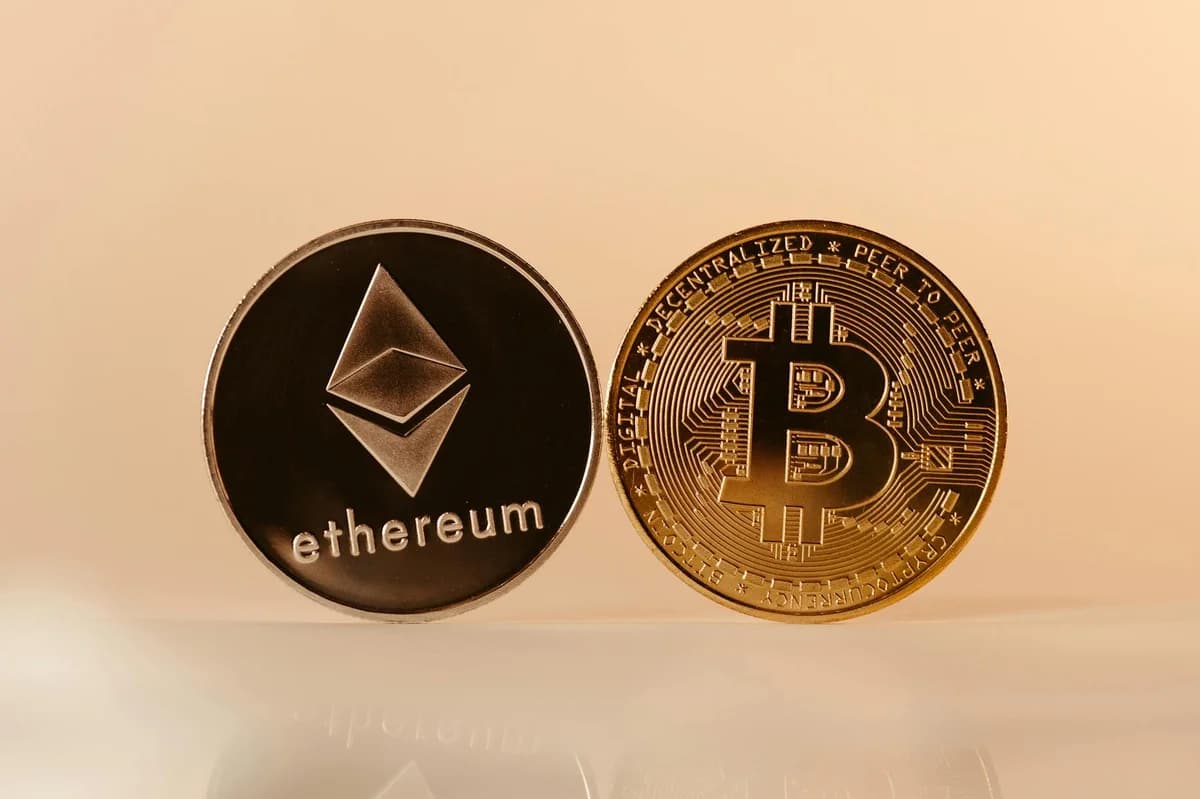
Bitcoin and Ethereum are the two largest cryptocurrencies, but they serve completely different purposes. Bitcoin was designed as digital gold — a decentralized store of value that prioritizes security and scarcity. Ethereum, by contrast, is a programmable blockchain for building applications, often called a "world computer."
How They Work
Bitcoin uses Proof of Work (PoW) , where miners solve complex puzzles to validate transactions. This makes Bitcoin extremely secure but slow — about 7 transactions per second. Ethereum recently switched to Proof of Stake (PoS) , where validators lock up coins to secure the network. This change cut Ethereum's energy use by over 99% and increased its throughput to roughly 30 transactions per second.
Practical Example
Imagine you want to send $1,000 to a friend. With Bitcoin, the transaction might take 10–60 minutes and cost a moderate fee during busy times. With Ethereum, the same transfer could settle in under a minute, but if the network is congested, fees can become very expensive. If you are simply holding for the long term, Bitcoin’s simplicity and security may suit you better. If you want to interact with decentralized apps (dApps) or lend your coins in DeFi, Ethereum is the necessary ecosystem.
⚠️ Warning: Many beginners buy Bitcoin on an exchange and immediately leave it there. Exchanges are not banks — if the platform collapses, your coins are at risk. Always transfer long-term holdings to a wallet you control.
CEX vs DEX: Crypto Basics for Trading & Control

A centralized exchange (CEX) like Coinbase or Binance acts as a middleman: you deposit funds, and the exchange holds your private keys. A decentralized exchange (DEX) like Uniswap lets you trade directly from your wallet using smart contracts — you retain full custody at all times.
| Feature | CEX (e.g., Coinbase) | DEX (e.g., Uniswap) |
|---|---|---|
| Custody of funds | Exchange holds your keys | You hold your keys |
| Ease of use | Simple, familiar interface | Requires wallet setup |
| Transaction speed | Fast (internal matching) | Depends on blockchain congestion |
| Fees | Often a fixed percentage (under 1%) | Varies; can be low or high depending on gas |
| Regulation | KYC required, legal protections | Pseudonymous, no KYC |
| Risk | Exchange hacks, frozen accounts | Smart contract bugs, user error |
Which Should You Choose?
For a beginner buying crypto for the first time, a CEX is usually safer and easier — the interface is similar to a bank app, and customer support exists if something goes wrong. Once you become comfortable, you can try a DEX to experience true self-custody. A common mistake is using a DEX without understanding gas fees: on Ethereum, swapping a small amount might cost more in fees than the trade itself. Always check estimated fees before confirming.
Hot Wallets vs Cold Wallets: Crypto Basics for Storage

A hot wallet is connected to the internet — think of it like the cash in your pocket. Examples include mobile apps (Trust Wallet, MetaMask) and browser extensions. A cold wallet is offline storage, similar to a safe-deposit box. Hardware wallets (Ledger, Trezor) and paper wallets are common cold options.
Why Use Both?
- Hot wallet – Best for small amounts you trade or spend frequently. Convenience comes first.
- Cold wallet – Essential for long-term savings and large holdings. Security comes first.
Practical Example
You buy $50 worth of Ethereum to try a DeFi lending app. Keeping that in a hot wallet like MetaMask makes sense — you need quick access to interact with smart contracts. But your life savings of $10,000 in Bitcoin should never sit in a hot wallet. Transfer it to a hardware wallet that never touches the internet, and store the recovery phrase in a fireproof safe.
Common Beginner Trap
Many newcomers write their recovery phrase on a phone note or in a cloud document. That makes it a hot wallet, because an online hacker can read it. The only safe place for a recovery phrase is offline — paper, metal, or a password manager stored on an air-gapped device.
Solana vs Ethereum: Crypto Basics for Speed vs Security
Solana and Ethereum both support smart contracts and dApps, but they take radically different approaches. Ethereum prioritizes decentralization and security — thousands of validators confirm every block. Solana prioritizes speed, claiming over 50,000 transactions per second by using a unique Proof of History (PoH) mechanism combined with PoS.
Trade-Offs at a Glance
- Ethereum – Slower (around 30 TPS on L1), higher fees during congestion, but battle-tested with the largest developer community and deepest liquidity.
- Solana – Extremely fast, very low fees (often less than $0.01 per transaction), but has experienced multiple network outages and is more centralized (fewer validators control most of the stake).
Real-Life Comparison
You want to mint an NFT or claim an airdrop. On Ethereum, the transaction might cost a small fee on a quiet day, but can become very expensive during a popular mint. On Solana, the same action would cost a fraction of a cent and confirm in under a second. The downside: if the Solana network goes down (as it has several times), you cannot move your funds until it recovers.
Which Ecosystem Fits You?
If you are building a high-frequency trading bot or a gaming dApp that demands high throughput, Solana’s speed is attractive. If you are storing value or building a long-term DeFi protocol with millions of dollars at stake, Ethereum’s proven stability and security are likely worth the higher fees. Many beginners start with Ethereum because of its mature tooling and educational resources.
Crypto basics are not one-size-fits-all. Understanding the differences between Bitcoin and Ethereum, centralized and decentralized exchanges, hot and cold wallets, and Solana and Ethereum will help you make informed decisions that match your risk tolerance and goals. Start small, keep most of your funds in cold storage, and always double-check network fees before hitting “confirm.”