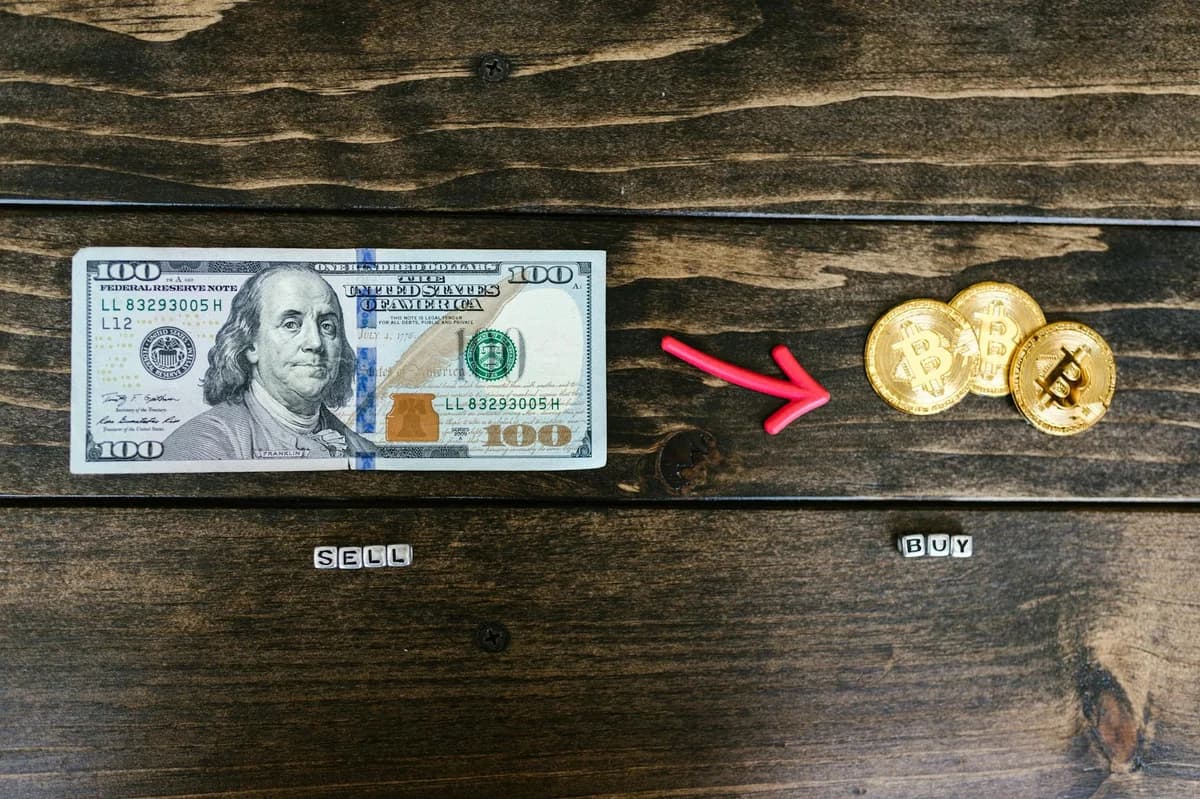
How to Buy, Sell, and Store Bitcoin
Learn how to buy, sell, and store Bitcoin safely. This beginner's guide covers choosing a wallet, using exchanges, and securing your funds. Step-by-step instructions included.
How to Buy, Sell, and Store Bitcoin
Bitcoin is the world’s first decentralized cryptocurrency, enabling peer-to-peer value transfer without banks or intermediaries. For newcomers, the process of handling Bitcoin may seem technical, but it breaks down into three straightforward actions: buying, selling, and storing. This guide walks each step with practical examples so you can confidently manage your first Bitcoin.
Buying Bitcoin: Choosing Where and How
The easiest way to acquire Bitcoin is through a cryptocurrency exchange—a platform that matches buyers and sellers. Popular exchanges include Coinbase, Kraken, and Binance. To begin, you must create an account and complete identity verification (known as KYC). After that, you can deposit fiat currency (like USD, EUR, or GBP) using a bank transfer, debit card, or other payment methods.
Step-by-Step Purchase Example
- Register on an exchange (e.g., Coinbase). Provide your email, set a strong password, and enable two-factor authentication (2FA).
- Verify your identity by uploading a photo ID and a selfie. This usually takes a few minutes to a day.
- Deposit funds – link your bank account or debit card. Deposits via bank transfer often have lower fees than card payments.
- Place a market order – enter the amount of fiat you want to spend (e.g., $200). The exchange buys Bitcoin at the current market price.
- Review the order – confirm the total amount of Bitcoin received (displayed as "0.00… BTC") and the fee. Then click "Buy."
Once the purchase is complete, the Bitcoin appears in your exchange wallet. However, leaving it there carries risk because exchanges can be hacked or freeze accounts. That’s why learning to store Bitcoin yourself is critical.
Storing Bitcoin: Hot Wallets vs Cold Wallets
A Bitcoin wallet is a software or hardware tool that holds your private keys—the passwords that prove you own your coins. There are two main categories:
| Wallet Type | Examples | Security Level | Best For |
|---|---|---|---|
| Hot Wallet | Mobile apps (Trust Wallet, Exodus), browser extensions (MetaMask) | Lower (connected to internet) | Small amounts, daily spending |
| Cold Wallet | Hardware devices (Ledger, Trezor), paper wallets | Higher (offline storage) | Large amounts, long-term holding |
- Hot wallets are convenient for frequent transactions. For instance, you might keep the equivalent of a few weeks’ spending in a mobile wallet to pay at stores that accept Bitcoin.
- Cold wallets are safer because private keys never touch the internet. A hardware wallet like Ledger Nano X stores your keys in a secure chip. Even if your computer is infected with malware, your Bitcoin stays safe.
❗ Important: Never share your private keys or seed phrase (a 12‑ or 24‑word backup) with anyone. Write the seed phrase on paper and keep it in a secure location like a safe.
To send Bitcoin from an exchange to your personal wallet:
- Open your wallet app and tap "Receive" to get your Bitcoin address (a long string of letters and numbers).
- On the exchange, go to the withdrawal section and paste that address.
- Enter the amount and confirm. A small network fee is paid to miners to process the transaction. Fees vary based on network congestion—they can become very expensive during peak times, so check before sending.
Selling Bitcoin: Converting Back to Cash
Selling Bitcoin is essentially the reverse of buying. You can sell on the same exchange you used to purchase, or on a peer‑to‑peer platform.
How to Sell on an Exchange
- Navigate to the "Sell" or "Trade" section of the exchange.
- Choose sell order type. A market sell executes immediately at the current price. A limit sell lets you set a higher price and waits until the market reaches it.
- Enter the amount of Bitcoin you want to sell (or the fiat equivalent). The exchange shows the total fiat you’ll receive, minus a trading fee (usually a small percentage).
- Confirm the transaction. Funds arrive in your fiat balance on the exchange.
- Withdraw the fiat to your bank account via ACH transfer (free or low cost) or wire transfer (may carry a fixed fee).
Example of a Limit Sell
Imagine you acquired Bitcoin at a price you consider low. You set a limit sell order at a higher price, say 10% above the current price. The exchange holds your Bitcoin until the market reaches that level. If the price never hits, the order expires and your Bitcoin remains untouched. This method helps you avoid emotional decisions during volatile swings.
To minimize fees, use limit orders instead of market orders when possible—many exchanges charge lower fees for limit trades.
Security Best Practices for Bitcoin
Protecting your Bitcoin requires more than just a wallet. Follow these guidelines:
- Enable 2FA on your exchange account and email. Use an authenticator app like Google Authenticator rather than SMS (which can be intercepted).
- Backup your wallet – store the seed phrase in two separate physical locations (e.g., a home safe and a bank safety deposit box).
- Use a dedicated device for large transactions. A spare smartphone or a separate computer with minimal apps reduces attack surface.
- Verify addresses carefully – malware can replace a copied wallet address with an attacker’s address. Always double‑check the first and last few characters of the address before confirming.
- Avoid phishing links – never click on email links claiming to be from your exchange. Type the URL manually.
If you follow these steps, the risk of losing your Bitcoin to hacks or scams drops significantly.
Conclusion
Bitcoin offers financial freedom, but it also demands personal responsibility. By learning to buy, sell, and store Bitcoin through exchanges and wallets, you gain control over your digital assets. Start with a small amount to practice the process, then gradually move larger sums to cold storage. Remember that private keys equal ownership—if you lose them, you lose your Bitcoin forever. Use the tools and habits outlined here to keep your coins safe as you participate in the world’s first decentralized currency.