How to Buy, Sell & Store Bitcoin: A Beginner's Guide
Learn how to buy, sell, and store Bitcoin safely. This beginner-friendly guide covers exchanges, wallets, step-by-step instructions, and security tips to help you manage your first cryptocurrency.
How to Buy, Sell & Store Bitcoin: A Beginner's Guide
Bitcoin is a decentralized digital currency that allows peer-to-peer transactions without intermediaries. For newcomers, the process of buying, selling, and storing Bitcoin can seem complex, but it breaks down into a few clear steps. This guide covers everything you need to know to get started safely.
What Is Bitcoin? A Quick Overview
Bitcoin is the first and most widely recognized cryptocurrency. It operates on a blockchain — a public ledger that records every transaction. Unlike traditional money, no central bank or government controls Bitcoin; instead, the network is maintained by a global community of computers called nodes. This design makes Bitcoin borderless, censorship-resistant, and available to anyone with an internet connection.
Key characteristics of Bitcoin include:
- Limited supply: Only 21 million bitcoins will ever exist.
- Pseudonymity: Transactions are linked to addresses, not real-world identities.
- Immutability: Once confirmed, transactions cannot be reversed.
Choosing a Platform to Buy and Sell Bitcoin
To buy or sell Bitcoin, you need a cryptocurrency exchange — an online platform where users trade digital assets. The best exchange for you depends on your needs for security, fees, and ease of use. Here are common types:
- Centralized exchanges (CEXs): Platforms like Coinbase or Kraken that act as middlemen. They offer high liquidity and beginner-friendly interfaces.
- Decentralized exchanges (DEXs): Peer-to-peer markets that don’t hold your funds, but often require more technical knowledge.
- Peer-to-peer (P2P) marketplaces: Connect buyers and sellers directly, allowing you to choose payment methods.
When picking an exchange, look for strong security features (two-factor authentication, cold storage for user funds) and reasonable fees. Avoid platforms with a history of hacks or poor customer support.
| Factor | Centralized Exchange | Decentralized Exchange |
|---|---|---|
| User experience | Simple, guided process | Can be complex, more steps |
| Security risk | Counterparty risk (hack of exchange) | Smart contract risk (code bugs) |
| Privacy | Requires KYC (identity verification) | Usually no KYC required |
| Speed | Near-instant trades | Trade settlement may require waiting |
Step-by-Step: How to Buy Bitcoin
Buying Bitcoin follows a straightforward process once you have an exchange account.
- Create an account on your chosen exchange and complete identity verification (KYC) by uploading a government ID.
- Deposit funds using a bank transfer, credit/debit card, or another cryptocurrency. Bank transfers typically have lower fees.
- Place a market order to buy Bitcoin at the current market price, or use a limit order to set your own price.
- Confirm the purchase — the Bitcoin appears in your exchange wallet within minutes.
How to Sell Bitcoin for Cash or Crypto
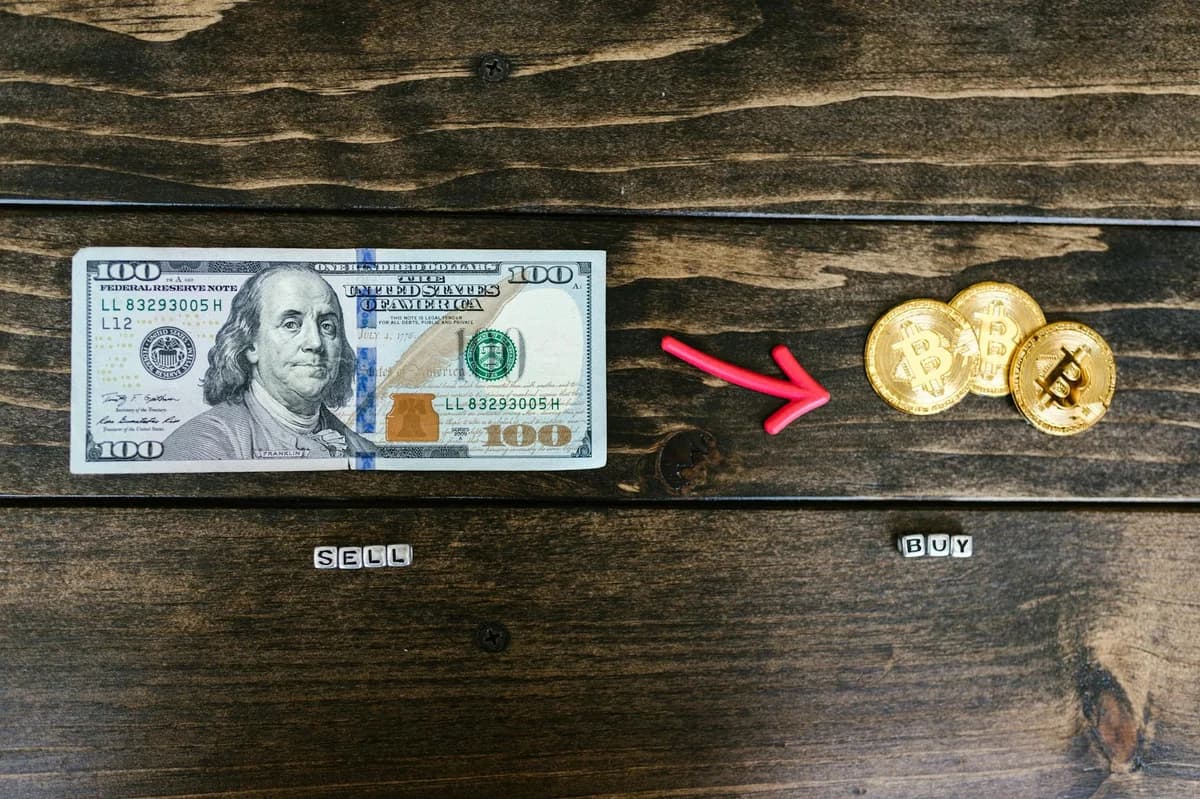
Selling Bitcoin works in reverse:
- On a centralized exchange, simply select “sell,” choose your order type, and the Bitcoin is converted to fiat currency (like USD) or a stablecoin.
- On a peer-to-peer marketplace, you create an offer specifying your price and payment method (e.g., bank transfer, PayPal). The buyer sends funds directly to you, then you release the Bitcoin.
Important — consider the spread (difference between buy and sell prices) and withdrawal fees before completing a sale. Selling on a DEX may offer better privacy but can involve higher network fees if the blockchain is congested.
Storing Bitcoin: Hot vs. Cold Wallets
Never leave large amounts of Bitcoin on an exchange long-term; exchanges are prime targets for hackers. Instead, transfer your Bitcoin to a private wallet. There are two main categories:
- Hot wallets — connected to the internet. Convenient for small daily funds. Examples: mobile wallets (like Trust Wallet or Exodus) and desktop wallets (like Electrum).
- Cold wallets — offline devices or paper records. Best for long-term savings. Examples: hardware wallets (such as Ledger or Trezor) and paper wallets (printed private keys).
| Feature | Hot Wallet | Cold Wallet |
|---|---|---|
| Online connectivity | Always connected | Usually offline |
| Convenience for transactions | Very high (quick access) | Low (requires physical device) |
| Security against hackers | Lower (exposed to malware) | Very high (air-gapped) |
| Suitable for | Daily spending, small amounts | Long-term holding, larger amounts |
To store Bitcoin, you need to back up your recovery phrase (12–24 words generated by the wallet). Write it down on paper and store it in a safe place. Never share it with anyone — whoever has the phrase controls the Bitcoin.
Security Tips for Your Bitcoin Holdings
Protecting your Bitcoin requires both technical and behavioral precautions:
- Enable two-factor authentication on your exchange account and wallet.
- Use a strong, unique password for each service.
- Keep your software up to date — outdated apps can have vulnerabilities.
- Beware of phishing attempts — double-check URLs and never click suspicious links.
- Test small amounts first — before moving a large balance, send a tiny test transaction.
- Consider a multi-signature wallet for added security, requiring multiple approvals for each transaction.
Conclusion
Bitcoin offers a new way to own and transfer value, but it must be handled with care. By choosing the right exchange, following a simple buy-and-sell process, and storing your coins in a secure wallet, you can manage your Bitcoin safely. Remember: always prioritize security over convenience, keep your private keys private, and never invest more than you are willing to lose.