How to Buy, Sell, and Store Bitcoin: A Beginner's Guide
Learn how to buy, sell, and store Bitcoin safely. Step-by-step instructions for exchanges, wallets, and security best practices. Perfect for crypto beginners.
How to Buy, Sell, and Store Bitcoin: A Beginner's Guide
Bitcoin is the world's first decentralized digital currency, enabling peer-to-peer transactions without banks or intermediaries. Learning how to buy, sell, and store Bitcoin safely is essential for anyone entering the crypto space. This guide covers the fundamental steps and best practices for managing your Bitcoin holdings.
How to Buy Bitcoin: Choosing a Platform
To buy Bitcoin, you need a cryptocurrency exchange—a platform where you can trade fiat money (like USD or EUR) for digital assets. The most common type is a centralized exchange (CEX) such as Coinbase, Kraken, or Binance. These platforms offer user-friendly interfaces and strong security, making them ideal for beginners.
Here are the typical steps to buy Bitcoin on a CEX:
- Create an account – Sign up with your email and set a strong password.
- Verify your identity – Provide a government-issued ID and sometimes a selfie. This is required by regulation.
- Deposit fiat currency – Link a bank account, debit card, or credit card. Transfers may take a few days, but card payments are instant.
- Place a buy order – Choose Bitcoin as the asset, enter the amount you want to spend (in your local currency), and confirm the purchase. The exchange will show the total fees before you confirm.
After buying, your Bitcoin is stored in the exchange’s wallet. For long-term storage, however, you should move it to a private wallet (covered in the storage section below).
Selling Bitcoin: Converting Back to Cash
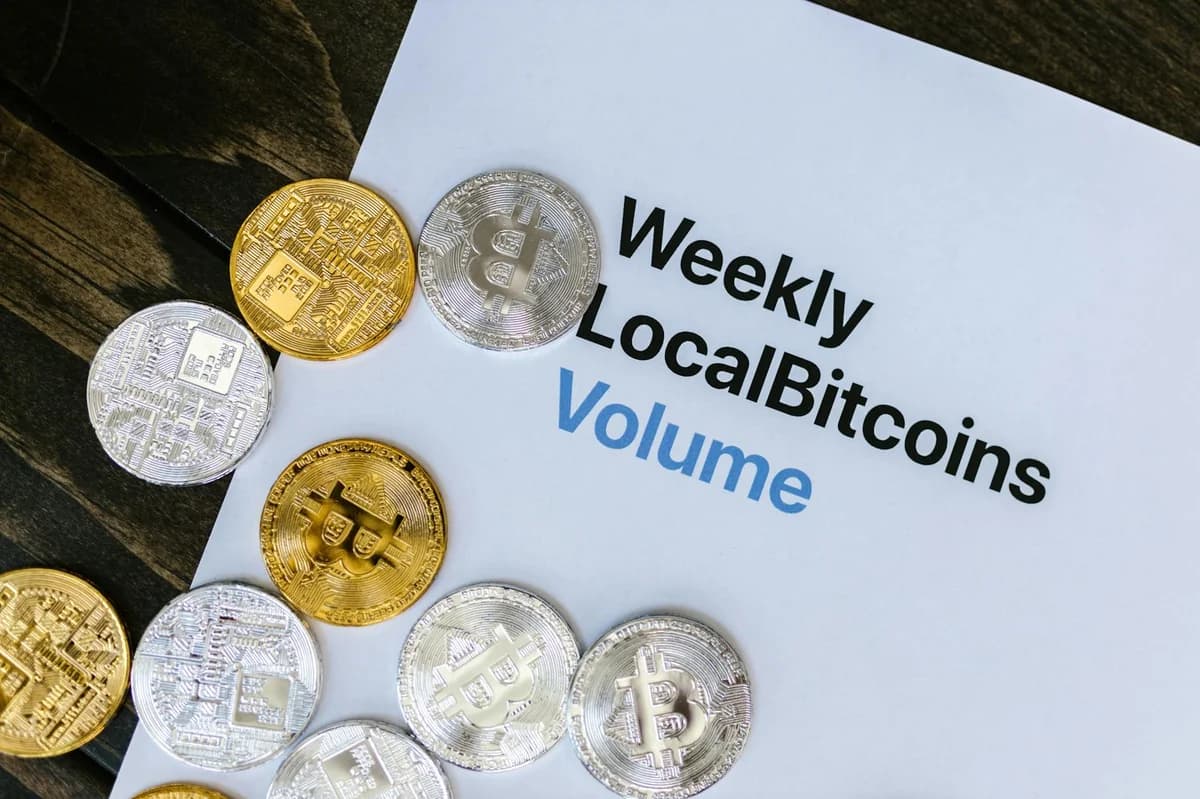
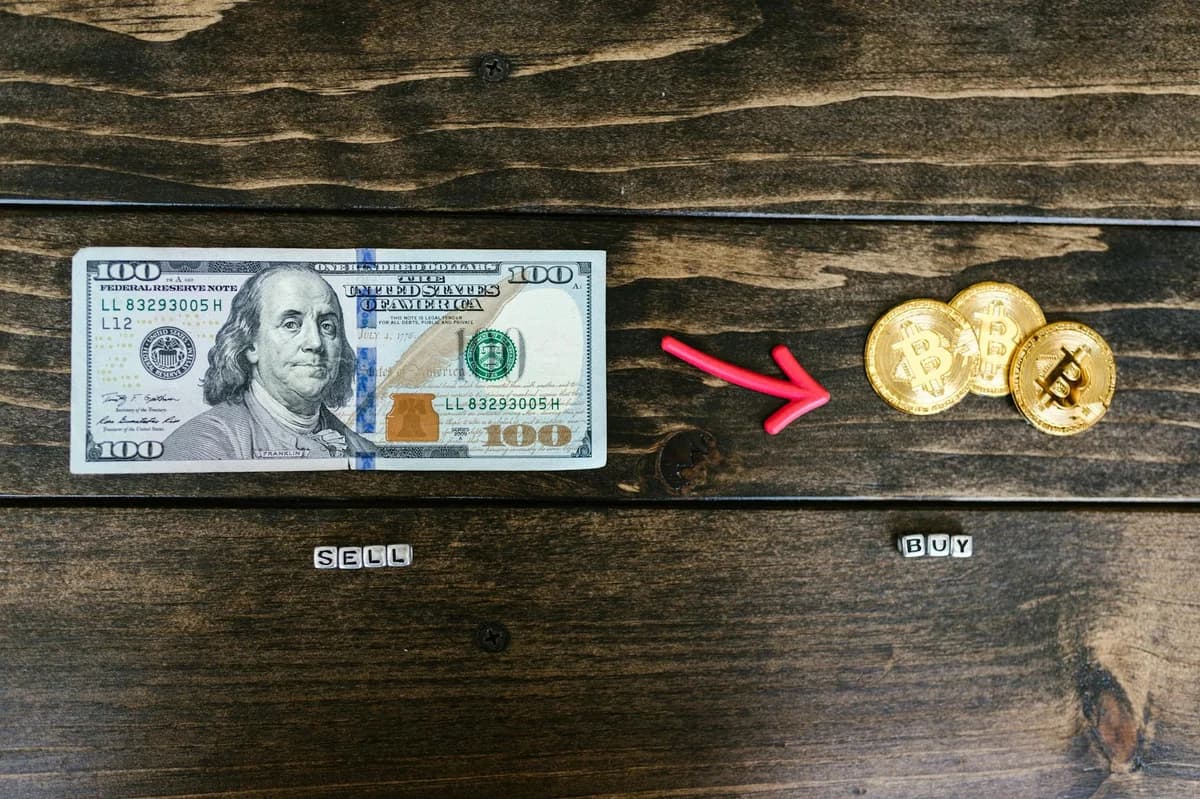
When you want to sell Bitcoin, you can use the same exchange where you bought it. The process is essentially the reverse of a purchase:
- Go to the "Sell" or "Trade" section of your exchange.
- Choose Bitcoin as the asset you want to sell.
- Specify the amount (in Bitcoin or the fiat equivalent) and confirm the sale.
- The fiat proceeds will appear in your exchange account balance. You can then withdraw them to your bank account.
Selling on a centralized exchange is the simplest method, but there are alternatives:
- Peer-to-peer (P2P) platforms – Services like LocalBitcoins or Paxful let you sell directly to another person, often with more payment options.
- Bitcoin ATMs – These physical machines let you sell Bitcoin for cash, though fees can be higher than online exchanges.
Keep in mind that selling may trigger a taxable event depending on your country’s laws. Always check local regulations.
Storing Bitcoin: Wallet Options Compared
Bitcoin is stored in cryptocurrency wallets. A wallet holds your private keys—the secret codes that prove you own the coins. There are two main categories: hot wallets (connected to the internet) and cold wallets (offline). The table below highlights their differences.
| Type | Security | Convenience | Example |
|---|---|---|---|
| Hot wallet (software) | Medium – vulnerable to online attacks | High – instant access for spending | Exodus, Electrum |
| Cold wallet (hardware) | Very high – private keys never touch the internet | Low – requires physical device for transactions | Ledger Nano X, Trezor |
For beginners, the safest approach is to use a hot wallet only for small, frequent transactions and a cold wallet for the majority of your Bitcoin savings. Never keep large amounts on an exchange.
Setting Up Your First Wallet
- Choose a wallet app – For starters, Exodus or Electrum are good choices. Download from the official website only.
- Write down your seed phrase – The wallet will give you 12–24 words. Never share this phrase; it is the master key to your funds. Store it on paper, not on a digital device.
- Receive Bitcoin – The wallet provides an address (a long string of letters and numbers). Use that address on the exchange to withdraw your Bitcoin.
- Test with a small amount – Send a tiny value first to confirm everything works before moving larger sums.
Bitcoin Security Best Practices
Keeping your Bitcoin safe goes beyond choosing a wallet. Follow these essential rules:
- Enable two-factor authentication (2FA) on every exchange and wallet that supports it. Use an authenticator app, not SMS.
- Backup your seed phrase in multiple secure locations (e.g., a fireproof safe and a bank deposit box).
- Avoid phishing – Always double-check URLs and never enter your seed phrase on any website.
- Use a dedicated device for cold wallet transactions if possible, or at least ensure your computer is malware-free.
- Keep software updated – Wallet and exchange apps frequently patch security vulnerabilities.
Conclusion
Bitcoin offers a new way to own and transfer value, but buying, selling, and storing it requires care. By using reputable exchanges, choosing the right wallet for your needs, and following basic security habits, you can safely participate in the Bitcoin ecosystem. Start with small amounts to build confidence, and always prioritize protecting your private keys.