How to Buy, Sell, and Store Bitcoin
Learn how to buy, sell, and store Bitcoin safely. This beginner's guide covers exchanges, wallets, and security tips to manage your first cryptocurrency.
How to Buy, Sell, and Store Bitcoin
Bitcoin is the world’s first decentralized digital currency, enabling peer-to-peer transactions without banks or intermediaries. Buying, selling, and storing Bitcoin securely is essential for anyone entering the crypto space. This guide walks you through each step with clear examples for beginners.
Choosing a Platform to Buy Bitcoin
The first step to acquire Bitcoin is selecting a reliable cryptocurrency exchange. Exchanges are online platforms where you can trade fiat money (like USD or EUR) for crypto. Popular options include Coinbase, Kraken, and Binance. Each platform has different features, fee structures, and supported regions.
What to look for in an exchange
- Security measures: Two-factor authentication (2FA), insurance funds, and a strong track record.
- Payment methods: Bank transfer, debit/credit card, or PayPal — choose what’s easiest for you.
- Fees: Transaction fees vary by method; card purchases typically cost more than bank transfers.
- Liquidity: High trading volume means you can buy or sell quickly without big price swings.
For example, if you want to buy a small amount of Bitcoin with a bank transfer, you might choose a platform that offers low fees for that method. Most exchanges let you buy fractions of a Bitcoin, so you can start with a modest sum.
💡 Pro Tip: Always enable two-factor authentication on your exchange account. This extra layer of security helps protect your funds even if your password is stolen.
Steps to buy Bitcoin on an exchange
- Create an account and complete identity verification (Know Your Customer rules).
- Deposit fiat currency via your chosen payment method.
- Place a market order (buy at current price) or a limit order (buy at a specific price you set).
- Confirm the transaction — the Bitcoin appears in your exchange wallet.
After buying, you may want to move your Bitcoin to a personal wallet for better control.
Methods to Sell Bitcoin for Fiat or Crypto
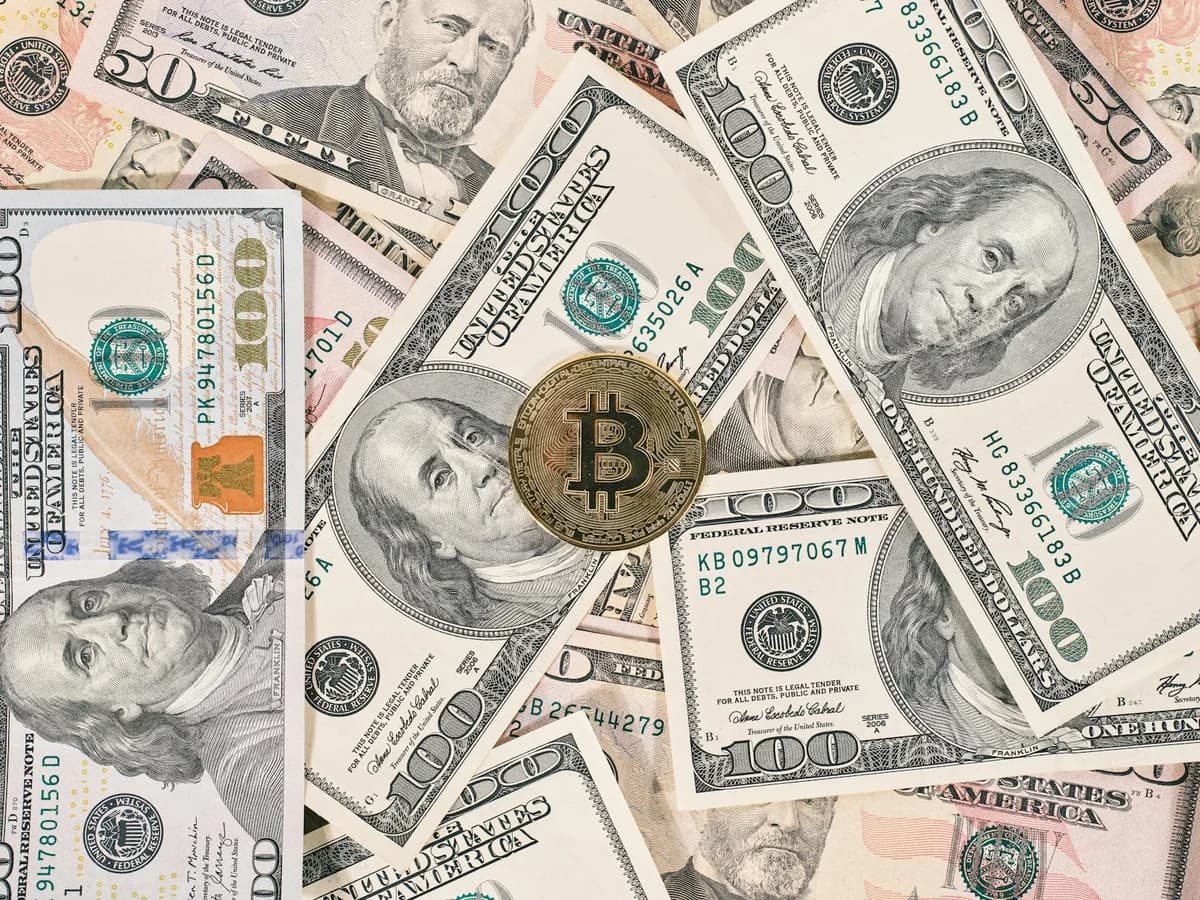
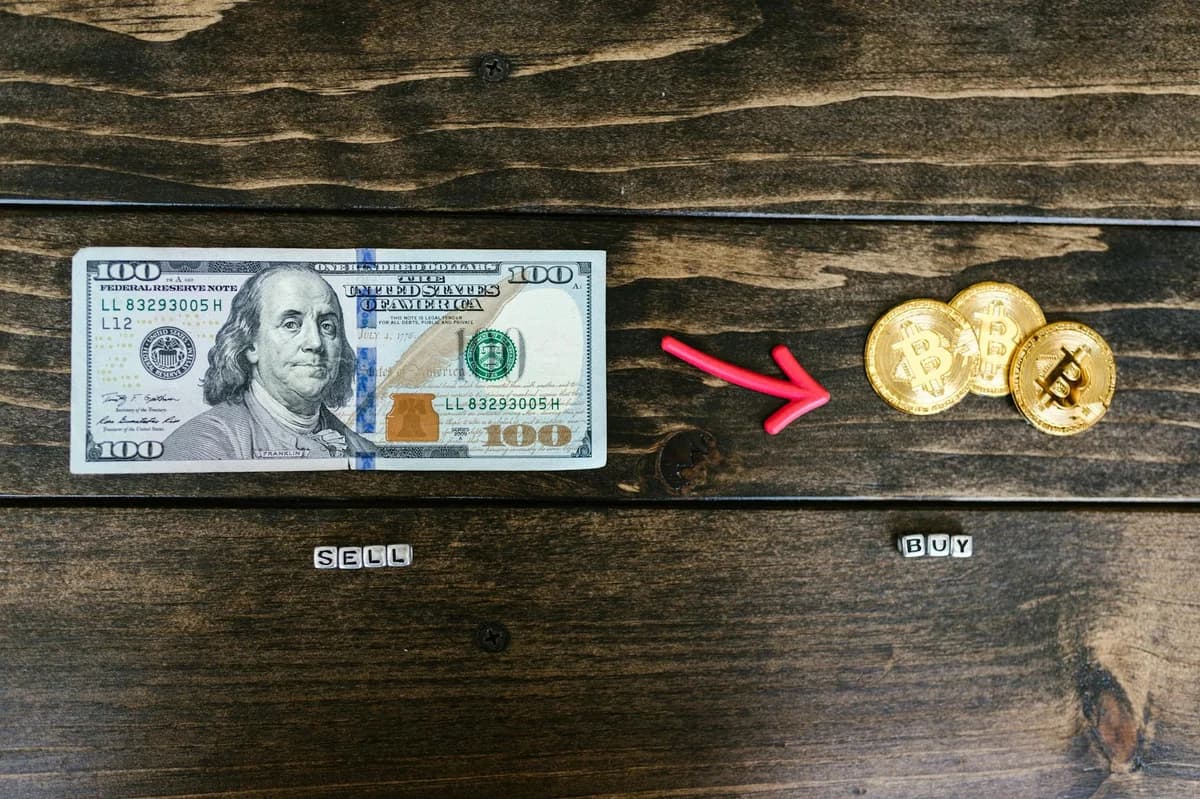
When you want to cash out your Bitcoin or trade it for another cryptocurrency, you have several options. Selling Bitcoin on an exchange is the most straightforward method. You can use the same platform where you bought it, or a different one if rates are better.
Selling via an exchange
- Log into your exchange account and navigate to the sell section.
- Choose whether to sell for fiat (e.g., USD) or for another crypto (e.g., USDT or ETH).
- Select a market sell (instant) or limit sell (wait for your target price).
- Withdraw the fiat to your bank account or keep the proceeds as stablecoins.
Peer-to-peer (P2P) selling
Platforms like LocalBitcoins or Binance P2P let you sell directly to another person. You set the price and payment method (bank transfer, cash, gift card). The platform acts as an escrow to protect both parties. P2P can offer better rates but requires extra caution — only trade with verified users.
Example: Suppose you hold 0.1 Bitcoin and want to sell it. On an exchange, you might place a limit order at a price slightly above the current market rate. Once someone buys, the fiat is deposited into your account. You can then withdraw it to your bank.
Storing Bitcoin: Hot vs Cold Wallets
After buying, storing Bitcoin securely is your most important responsibility. A wallet holds your private keys — the secret codes that prove you own the Bitcoin. There are two main types: hot wallets (connected to the internet) and cold wallets (offline).
| Feature | Hot Wallet | Cold Wallet |
|---|---|---|
| Internet connection | Always online | Offline (air-gapped) |
| Convenience | Very easy to send/receive daily | Less convenient for frequent use |
| Security | Vulnerable to malware, hacks | Highly secure against remote attacks |
| Examples | Mobile apps, browser extensions, exchange wallets | Hardware wallets, paper wallets |
Hot wallets are great for small amounts you plan to use regularly. For instance, you might keep a few dollars worth of Bitcoin in a mobile wallet to spend at a merchant that accepts crypto. Cold wallets, like hardware devices from Ledger or Trezor, are ideal for larger holdings you don’t need to access often. They store your private keys offline, making them nearly impossible to steal remotely.
Setting up a hardware wallet
- Buy a device directly from the manufacturer to avoid tampering.
- Follow the setup instructions to generate a recovery seed (a list of 12–24 words).
- Write the seed on paper and store it in a safe place — never digitally.
- Transfer Bitcoin from the exchange to the wallet’s public address.
If you lose your hardware wallet, the recovery seed lets you restore your Bitcoin on a new device. Losing the seed means losing your funds permanently.
Managing Security and Recovery
Beyond choosing a wallet, secure Bitcoin storage requires consistent habits. Treat your private keys like a physical key to a vault — never share them, and avoid storing them on cloud services or email.
Best practices for everyday safety
- Use strong, unique passwords for every exchange and wallet.
- Enable withdrawal whitelists on exchanges so funds can only go to addresses you pre-approve.
- Keep your recovery seed offline — write it on fireproof paper and consider a safety deposit box.
- Update wallet software regularly to patch vulnerabilities.
- Beware of phishing — double-check URLs before entering credentials.
Example: Imagine you set up a hardware wallet and store 0.5 Bitcoin on it. You write your 24-word recovery seed on a steel plate and lock it in a safe. Even if your computer is hacked, the hacker cannot move your Bitcoin because the private keys never touch the internet. This separation is the core value of cold storage.
Conclusion
Bitcoin offers a new way to manage value independently, but buying, selling, and storing it requires knowledge and discipline. Choose a trustworthy exchange to acquire and sell your Bitcoin, then move larger amounts to a cold wallet for long-term security. By following the steps and security practices outlined here, you can confidently participate in the Bitcoin economy.